



What is a FALT Wallet?
A FALT wallet is a digital interface that allows you to interact with the Binance Smart Chain (BSC) to store, send, and manage your FALT tokens. FALT is not just a standard token; it is a derivative asset that operates on the BSC network, originating from the innovative LongVault tax vault template developed by flap.sh. Because FALT is built on the EVM (Ethereum Virtual Machine) architecture, it requires a wallet that fully supports EVM-compatible tokens and smart contract interactions.
The mechanics behind FALT are what make it distinct in the DeFi space. It utilizes a unique tax distribution system that splits transaction taxes into two critical components: a 50% platform buyback and a 50% 'perpetual flywheel.' This flywheel is designed to maintain long-term ecosystem health by establishing a 1.875x BNB long position through the Venus protocol. Additionally, the system incorporates token burning and staking dividends. The ultimate goal of this structure is to convert transaction taxes into sustainable cash flow for projects and holders, making it a complex but rewarding asset for DeFi participants.
Download Bitget FALT Wallet
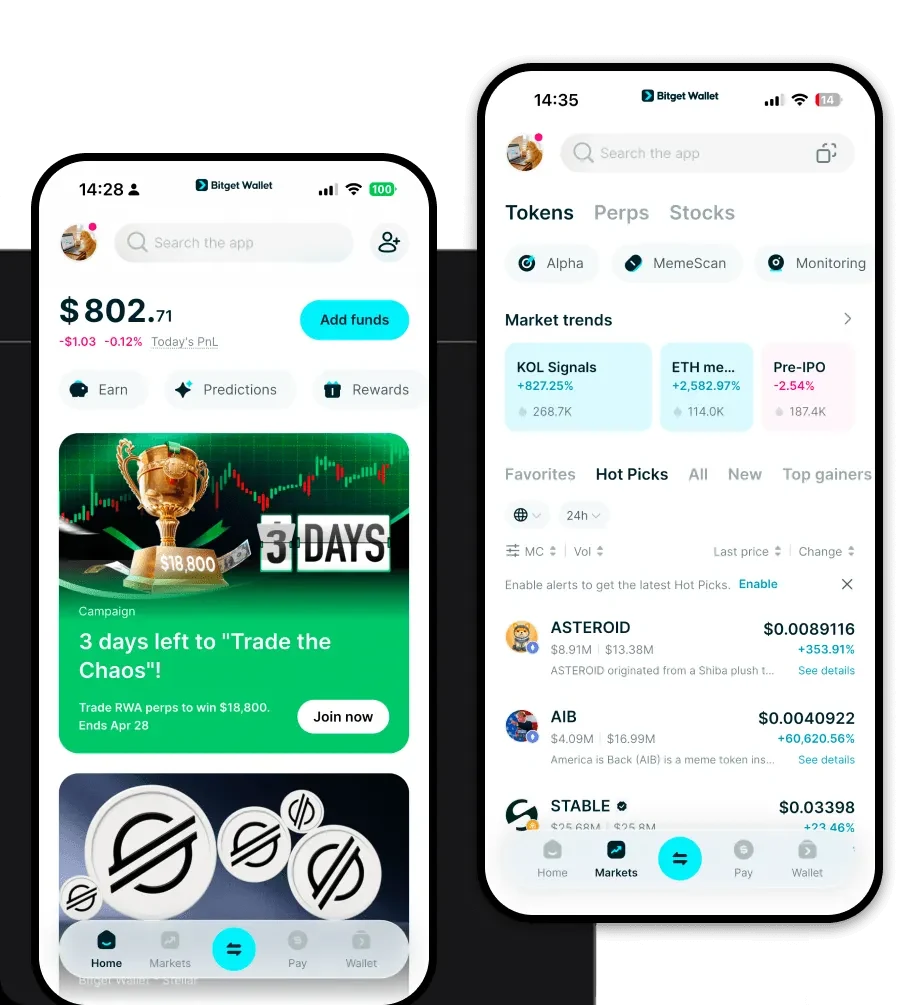
To effectively manage your holdings, you need a reliable tool. When searching for the best wallet for FALT, Bitget Wallet stands out as a comprehensive solution designed for the modern DeFi user. It is a decentralized, non-custodial wallet that ensures you retain complete control over your private keys, which is essential for any serious crypto investor.
The Bitget FALT wallet app is available for iOS, Android, and as a browser extension, ensuring you can manage your assets whether you are on the move or at your desktop. Unlike centralized exchanges, Bitget Wallet provides a gateway to the entire decentralized web. To get started with the industry-leading tool, you can download Bitget Wallet today. It offers multi-chain support, meaning you can manage your FALT on BSC alongside other assets on Ethereum, Polygon, or Arbitrum, all within a single interface.
Why Choose Bitget FALT Wallet?
Choosing the right wallet is about more than just storage; it is about infrastructure. Here is why Bitget Wallet is the preferred choice for FALT and EVM-based DeFi assets:
- EVM Compatibility: As a native EVM wallet, it offers seamless integration with the BSC ecosystem, allowing you to interact with DApps and smart contracts exactly as you would with MetaMask, but with a more intuitive UI.
- Perpetual Flywheel Optimization: The wallet is built to handle the complex transaction types associated with FALT’s flywheel mechanism, ensuring that your staking and dividend interactions are processed smoothly on the blockchain.
- Robust Security: With a $300 million user protection fund, Bitget Wallet provides an extra layer of peace of mind, shielding your assets against common security vulnerabilities found in the DeFi space.
- DeFi-First Experience: The platform includes a built-in DApp browser that allows you to connect to yield farming and staking protocols directly, bypassing the need for clunky external browser extensions.
- Gas Fee Management: Because it is optimized for EVM chains, the wallet provides clear insights into gas fees on the Binance Smart Chain, helping you execute transactions at the most cost-effective times.
How to Create a FALT Wallet
Setting up your FALT wallet is a straightforward process designed to prioritize your security and ease of access. Follow these steps to get started:
- Installation: Download and install the Bitget Wallet application from the official website or your mobile app store.
- Wallet Creation: Open the app and select 'Create a Wallet.' You will be prompted to set a strong, unique password to protect your local device access.
- Seed Phrase Backup: The app will generate a 12 or 24-word recovery phrase. Write this down on paper and store it in a secure, offline location. Never take a screenshot of this phrase.
- Network Configuration: Since FALT operates on the Binance Smart Chain, ensure that your wallet is set to the BSC network. Bitget Wallet usually detects and adds this automatically, but you can verify it in the network settings.
- Import/Add FALT: Click on the 'Manage Tokens' or 'Add Asset' button. Paste the official FALT contract address to import the token, allowing your balance to appear in the dashboard.
What Can You Do With a FALT Wallet?
Once your wallet is set up, you can leverage it for a variety of DeFi activities tailored to the FALT ecosystem:
- Staking: You can participate in the FALT staking protocols, allowing you to lock your tokens to earn rewards, contributing to the overall stability and long-term viability of the token’s flywheel mechanism.
- Trading: The wallet integrates with hundreds of decentralized exchanges (DEXs), enabling you to swap FALT for other BSC tokens or BNB directly within the app without moving funds to a centralized exchange.
- Yield Farming: By connecting your wallet to supported liquidity pools, you can engage in yield farming, utilizing your FALT holdings to provide liquidity and earn a share of transaction fees.
- Passive Income Generation: Through the automated tax distribution and staking dividends inherent to the FALT project, the wallet serves as a dashboard for monitoring the passive income generated by your holdings over time.
How FALT Wallets Are Different from Other Crypto Wallets
When comparing FALT wallets, it is important to understand the underlying architecture. Unlike Bitcoin wallets that utilize a UTXO (Unspent Transaction Output) model, a FALT wallet functions on the EVM account-based model. This means your wallet acts more like a bank account balance that can trigger complex smart contracts, rather than a collection of distinct coin inputs.
Furthermore, because FALT is a DeFi asset, your wallet needs to be highly responsive. While some wallets are designed for simple HODLing, a FALT-compatible wallet like Bitget is engineered for high-frequency interaction with smart contracts. It manages gas fees more efficiently and provides a real-time DApp browser, which is a stark contrast to basic cold storage solutions that cannot interact with the 'perpetual flywheel' or staking mechanisms required by the FALT ecosystem.
