





What is a DBR Wallet?
A DBR wallet is a digital interface that allows you to securely store, send, and interact with DBR, the native governance token of the deBridge protocol. DBR is the native governance token of deBridge, a cross-chain interoperability protocol designed for high-performance asset bridging and messaging across diverse blockchains including Ethereum, Solana, and BNB Chain. As a critical piece of DeFi infrastructure, deBridge facilitates near-instant liquidity transfers and cross-chain execution, with the DBR token empowering holders to participate in protocol governance and the management of the deBridge Foundation's treasury. Because DBR operates primarily within the EVM ecosystem, your DBR wallet must be compatible with Ethereum-based standards to ensure seamless interaction with DeFi protocols and smart contracts.
Download Bitget DBR Wallet
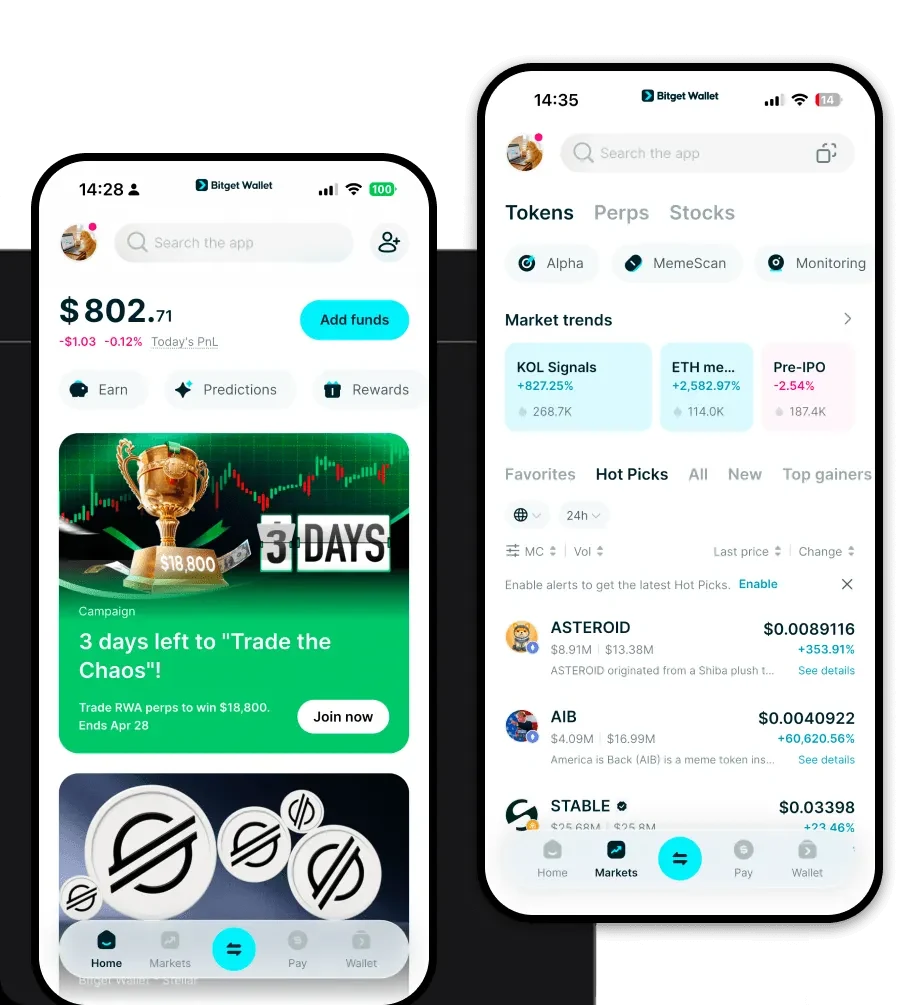
If you are looking for the best wallet for DBR, Bitget Wallet stands out as a top-tier decentralized solution. It provides a non-custodial environment where you maintain complete control over your private keys and assets, ensuring that you—and only you—have access to your funds. To get started, you can download Bitget Wallet directly from the official website, with full support available for iOS, Android, and as a browser extension. Whether you are managing assets on Ethereum or bridging across other chains, the app offers a unified experience across mobile and desktop devices.
Why Choose Bitget DBR Wallet?
Choosing the right infrastructure for your DBR tokens is crucial for interacting with high-performance protocols. Here is why Bitget Wallet is the preferred choice for DBR holders:
- EVM Compatibility: Built specifically to handle the complexities of the EVM ecosystem, allowing you to manage DBR and interact with DeFi dApps without configuration errors.
- Advanced Cross-Chain Aggregation: As an infrastructure-focused wallet, it natively integrates with DEXs and bridges, allowing you to swap DBR or move assets across chains with minimal friction.
- Institutional-Grade Security: Backed by a $300 million user protection fund, Bitget Wallet provides an extra layer of defense against potential smart contract exploits while you engage in cross-chain activities.
- Real-Time DeFi Analytics: Access live market data and liquidity insights directly within the interface, making it easier to monitor the performance of your DBR holdings.
How to Create a DBR Wallet
Setting up your wallet is a straightforward process designed for both beginners and advanced DeFi users:
- Download and install the Bitget Wallet app on your mobile device or browser.
- Select 'Create a New Wallet' and ensure you carefully back up your 12-word recovery phrase in a secure, offline location.
- Set a strong password to protect your local device access.
- Once the wallet is initialized, ensure you have enabled the relevant EVM networks (like Ethereum or BNB Chain) to view your DBR tokens.
- Your DBR wallet address is now ready; you can use this public key to receive DBR tokens from exchanges or other wallets.
What Can You Do With a DBR Wallet?
Holding DBR in a decentralized wallet unlocks the full potential of the deBridge infrastructure. With a DBR wallet app like Bitget, you can perform the following actions:
- Governance Voting: Utilize your DBR tokens to participate in decentralized governance, directly influencing the future development and policy changes of the deBridge protocol.
- Protocol Treasury Management: Contribute to and oversee the management of the deBridge Foundation's treasury, ensuring the long-term sustainability of the ecosystem.
- Staking for Network Security: Lock your DBR tokens to participate in staking mechanisms that help secure the network and validate cross-chain operations.
- Paying Cross-Chain Service Fees: Use DBR to cover the costs associated with high-speed asset transfers and cross-chain execution within the deBridge ecosystem.
- Participating in Ecosystem Incentives: Engage with various liquidity programs and community initiatives designed to reward long-term DBR holders and active network participants.
How DBR Wallets Are Different from Other Crypto Wallets
Unlike standard wallets that only focus on basic storage, a specialized DBR wallet must handle the high-speed, cross-chain nature of infrastructure tokens. Because DBR exists within an EVM-compatible framework, your wallet relies on the account-based model rather than the UTXO model used by Bitcoin. This means your wallet is optimized for smart contract interactions, allowing for complex DeFi operations like staking and governance voting. Furthermore, while generic wallets might struggle with cross-chain execution, a professional-grade wallet like Bitget is engineered to handle the low-latency execution required for bridging, ensuring that your gas fee management and transaction speed remain optimal even during periods of high network congestion.
