





1. What is a CTK Wallet?
A CTK wallet is a digital interface designed to interact with the Shentu Chain (formerly known as CertiK Chain). As the native utility token of this blockchain, CTK serves as the backbone for a delegated proof-of-stake blockchain designed to provide a secure and robust infrastructure for decentralized applications. It is utilized for staking, governance, and paying for security services within the Shentu ecosystem. When you hold CTK in a wallet, you are effectively engaging with a specialized infrastructure layer that prioritizes on-chain security and interoperability.
2. Download Bitget CTK Wallet
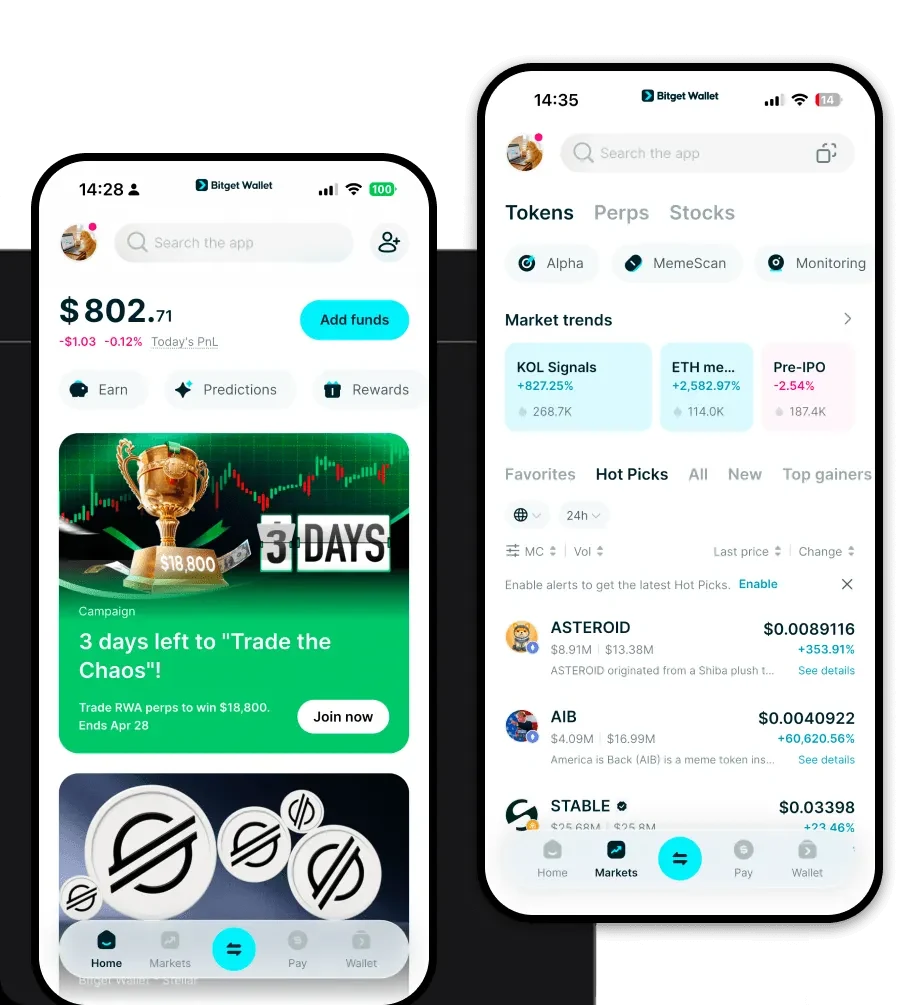
Managing your digital assets requires a tool that balances user experience with rigorous security standards. Bitget Wallet provides a comprehensive solution for CTK holders, offering a non-custodial environment where you retain full control over your private keys. Whether you are accessing the ecosystem via mobile or desktop, Bitget Wallet is designed to meet your needs.
You can download Bitget Wallet directly to your iOS or Android device, or install the browser extension for seamless interaction with DApps. By choosing a self-custodial wallet, you ensure that your CTK holdings are not held by a third party, giving you total sovereignty over your assets across its extensive multi-chain infrastructure.
3. Why Choose Bitget CTK Wallet?
Because CTK operates within the infrastructure and security sector, your wallet choice must be capable of handling advanced on-chain interactions. Bitget Wallet stands out for several key reasons:
- Security-First Infrastructure: Bitget Wallet integrates with the broader security ecosystem, ensuring that your interactions with the Shentu Chain are protected by advanced encryption and a 300 million USD user protection fund.
- Seamless DApp Integration: As a user engaging with infrastructure-heavy tokens, you need a wallet that connects effortlessly to decentralized oracle networks and auditing platforms.
- Multi-Chain Versatility: Unlike single-chain wallets, Bitget allows you to manage CTK alongside assets from over 130+ other blockchains, providing a unified view of your portfolio.
- Transaction Efficiency: The wallet is optimized for low-latency interactions, ensuring that your governance votes and staking transactions are broadcast to the chain without unnecessary delays.
4. How to Create a CTK Wallet
Setting up your wallet is a straightforward process that takes only a few minutes. Follow these steps to get started:
- Download and Install: Visit the official Bitget Wallet website and download the application for your preferred platform (iOS, Android, or Browser Extension).
- Create a New Wallet: Open the app and select 'Create a Wallet.' You will be prompted to set a strong password for local app access.
- Secure Your Seed Phrase: The app will generate a 12-word recovery phrase. Write this down on paper and store it in a secure, offline location. Never share this with anyone.
- Verify Phrase: Input the recovery phrase back into the application to confirm you have saved it correctly.
- Access Your Address: Once initialized, your wallet will automatically generate your unique public address. You can now deposit CTK into this wallet to start participating in the Shentu ecosystem.
5. What Can You Do With a CTK Wallet?
Owning a CTK wallet opens up a variety of utility-driven actions within the Shentu ecosystem. Here is how you can put your tokens to work:
- Staking for Network Security: You can delegate your CTK tokens to validators, directly contributing to the consensus mechanism and earning rewards in return.
- Governance Voting: Use your wallet to participate in on-chain proposals, having a direct say in the future development and parameter changes of the Shentu Chain.
- Paying for Smart Contract Audits: CTK is used to pay for security services; your wallet allows you to facilitate payments for auditing smart contracts within the ecosystem.
- Collateral for Security Assets: You can utilize your CTK as collateral within specific security-focused DeFi protocols that require staked assets for participation.
- Transaction Fee Payments: Your wallet serves as the gateway to pay for gas fees, ensuring your transactions are processed efficiently across the network.
6. How CTK Wallets Are Different from Other Crypto Wallets
Unlike standard wallets designed for simple peer-to-peer transfers, a CTK wallet must interface with a delegated proof-of-stake (DPoS) architecture. While many wallets are optimized for EVM-based account models, a wallet supporting CTK needs to handle specific staking and delegation logic. Because the Shentu Chain is built for infrastructure and security auditing, the transaction patterns differ significantly from meme-coin or simple payment tokens. Your wallet must be able to parse complex on-chain data related to security audits and oracle feeds, rather than just simple balance updates. Bitget Wallet bridges this gap by providing a high-performance interface that handles these specialized DPoS requirements, ensuring you don't encounter the friction often found in generic, one-size-fits-all wallets.
