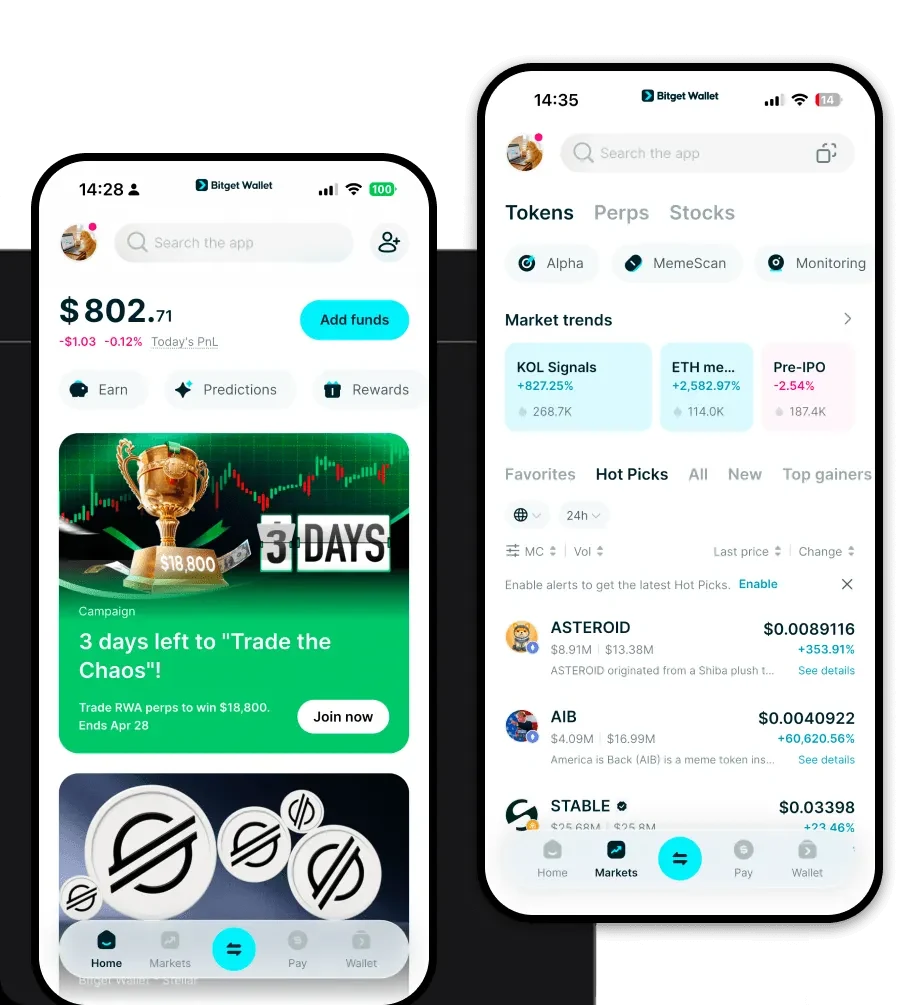
1. What is a buzzer Wallet? A buzzer wallet is a digital interface designed to interact with the buzzer token, an experimental asset operating within the EVM (Ethereum Virtual Machine) ecosystem. Unlike traditional tokens, buzzer is a derivative experimental asset that stems directly from community trading and social discussions. Because it is built on EVM architecture, it functions seamlessly with Ethereum-based standards, allowing for compatibility with a wide range of decentralized applications and protocols. The project itself is unique because it lacks a centralized authority, with the team primarily consisting of anonymous and decentralized contributors. The core philosophy of buzzer lies in social signals and liquidity experiments, aiming to create a lightweight infrastructure for social tokens and governance. When you use a buzzer wallet, you are not just holding a token; you are participating in a broader community-driven experiment that values active trader engagement and decentralized contribution. 2. Download Bitget buzzer Wallet To effectively manage your tokens, you need a secure and versatile gateway. We recommend the Bitget Wallet as the primary choice for buzzer users. It is designed to be user-friendly while maintaining the robust security required for on-chain assets. Whether you are on the move or at your desk, Bitget Wallet provides a consistent experience across platforms. Key features include: - Multi-chain support: Easily manage your EVM assets alongside tokens from over 130 other mainstream chains. - Private key self-custody: You maintain full control over your assets; the wallet is non-custodial, meaning only you hold the keys. - Cross-platform access: Available as an iOS app, Android app, and a browser extension for seamless desktop interaction. You can download the application directly from the official source here: https://web3.bitget.com/zh-CN/wallet-download. Always ensure you are downloading from the verified link to protect yourself from phishing attempts. 3. Why Choose Bitget buzzer Wallet? Choosing the right wallet is crucial for active traders in the meme and experimental token space. Bitget Wallet stands out for several reasons: - Seamless EVM Compatibility: Since buzzer is an EVM token, Bitget Wallet offers native support for Ethereum-based smart contracts, ensuring you can interact with DEXs without compatibility issues. - Advanced Liquidity Aggregation: The wallet aggregates data from hundreds of DEXs, which is essential for trading buzzer, as it helps you find the best prices and lowest slippage for your speculative trades. - Intuitive Meme Token Management: The UI is optimized for high-frequency interaction, allowing you to easily view, send, and track the value of your experimental tokens in real-time. - Unmatched Security: With a 300 million USD user protection fund, Bitget provides a safety net that is rare in the decentralized wallet space, giving you peace of mind while experimenting with new tokens. - Efficient Gas Fee Management: The wallet provides clear gas estimations, helping you optimize your transaction costs on the EVM network, which is vital when trading volatile assets. 4. How to Create a buzzer Wallet Setting up your wallet is a straightforward process that puts you in control of your digital assets. Step 1: Download and Install. Visit the official Bitget Wallet download page and install the app on your preferred device (iOS, Android, or Browser). Step 2: Create a New Wallet. Open the app and select 'Create a New Wallet.' You will be prompted to set a strong password. Step 3: Secure Your Seed Phrase. The app will generate a 12 or 24-word recovery phrase. Write this down on paper and store it in a secure, offline location. Never share this with anyone. Step 4: Verify and Activate. Confirm your seed phrase in the app to finalize the creation. Your wallet is now ready to use. Step 5: Add buzzer. Since buzzer is an EVM token, you can manually add the contract address in the 'Manage Tokens' section of your wallet to view your balance and initiate transactions. 5. What Can You Do With a buzzer Wallet? Owning a buzzer wallet opens up several specific avenues for engagement within the ecosystem: - Speculative Trading: Users can actively trade buzzer on various decentralized exchanges, leveraging the EVM ecosystem to capitalize on market volatility and price movements driven by community sentiment. - Community Governance Participation: Holders can actively participate in lightweight governance protocols, signaling their preferences and voting on proposals that shape the future development of the buzzer project. - Social Signal Tracking: The wallet serves as a hub to monitor the social sentiment and signals that drive the buzzer ecosystem, keeping you informed on the latest community trends and discussions. - Liquidity Provision: Users can act as liquidity providers by adding their buzzer tokens to decentralized liquidity pools, which helps facilitate trading for others while potentially earning yield on their holdings. 6. How buzzer Wallets Are Different from Other Crypto Wallets It is important to understand that not all wallets handle tokens the same way. Because buzzer is an EVM-based token, a wallet designed for it uses the 'Account Model' rather than the UTXO model found in Bitcoin wallets. This means your wallet tracks your balance as a state variable, which is more efficient for smart contract interactions. Furthermore, while some chains require complex resource management (like CPU/NET/RAM in EOS), an EVM-compatible wallet like Bitget focuses on gas management. This allows for faster execution of transactions. When you trade buzzer, you are participating in a system where speed and smart contract interoperability are prioritized, making the experience significantly different from managing UTXO-based assets where transaction construction is more rigid.