





What is a btcat Wallet?
A btcat wallet is a digital storage solution specifically designed to hold, manage, and interact with the btcat token, which operates natively on the Bitcoin (BTC) blockchain. Unlike standard ERC-20 tokens found on Ethereum, btcat is deeply rooted in the Bitcoin network's unique architecture.
Bitcat was proposed by the artist Hardegg, originating from the ASCII cat inscribed in Bitcoin block 322,917 in 2014; as an experimental derivative project of on-chain pixel art, the team consists of the initiator and small/anonymous developers, aiming to permanently preserve early internet symbols on the blockchain, targeting digital art collectors and research communities. Because it is inscribed directly on the Bitcoin blockchain, you need a wallet that understands the UTXO model and the specific technical requirements of Bitcoin inscriptions.
Download Bitget btcat Wallet
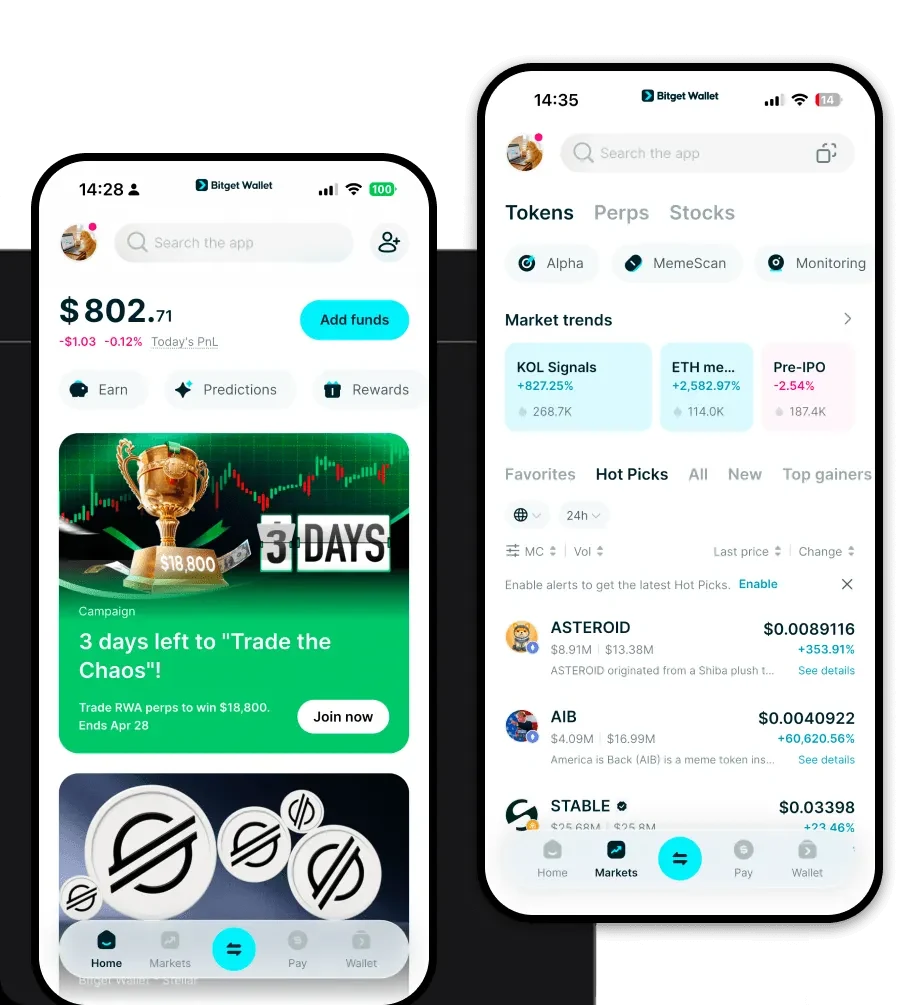
To safely engage with your btcat assets, you need a robust, non-custodial solution. The Bitget Wallet offers a seamless experience for managing Bitcoin-based assets, ensuring you retain full control over your private keys. It is designed for both seasoned Bitcoin collectors and newcomers entering the world of on-chain pixel art.
Whether you are using an iOS device, an Android smartphone, or prefer the convenience of a browser extension, Bitget Wallet provides a unified interface. By choosing to download Bitget Wallet, you gain access to a platform that supports over 130 public chains, ensuring that your btcat holdings are always reachable alongside your other multi-chain assets. Its intuitive design simplifies the often complex process of interacting with Bitcoin inscriptions.
Why Choose Bitget btcat Wallet?
- Native Bitcoin Support: Bitget Wallet is optimized for the Bitcoin ecosystem, providing the infrastructure necessary to handle UTXO-based assets and inscriptions without friction.
- Enhanced Security Infrastructure: With a $300 million user protection fund, Bitget Wallet provides a significant layer of security, safeguarding your digital artifacts against common web3 vulnerabilities.
- Seamless Cross-Chain Capabilities: While btcat lives on Bitcoin, the wallet allows you to manage assets across hundreds of DEXs and cross-chain bridges, simplifying your portfolio management.
- Non-Custodial Control: Your private keys remain yours alone. Bitget Wallet operates as a decentralized gateway, ensuring you are the sole owner of your btcat and other digital assets.
How to Create a btcat Wallet
Setting up your wallet to hold btcat is a straightforward process that prioritizes your security. Follow these steps:
- Installation: Download and install the Bitget Wallet application from the official website or your device's app store.
- Wallet Creation: Open the app and select 'Create Wallet.' Ensure you are in a private space where no one can see your screen.
- Seed Phrase Backup: Carefully record your 12-word recovery phrase on paper. Store this in a secure, offline location; never share it digitally.
- Add Bitcoin Network: In the wallet settings, ensure the Bitcoin network is enabled to view your BTC-based assets.
- Address Generation: Navigate to your Bitcoin address list. You can now use this address to receive your btcat tokens or interact with Bitcoin-based marketplaces.
What Can You Do With a btcat Wallet?
Holding btcat in a capable wallet like Bitget unlocks several specific use cases within the Bitcoin ecosystem:
- Collecting Digital Artifacts: You can securely store your btcat tokens, treating them as immutable digital collectibles that reside permanently on the Bitcoin blockchain.
- Trading on Marketplaces: Use your wallet to connect to dedicated Bitcoin marketplaces to list, buy, or swap your btcat with other collectors.
- Community Speculation: Participate in the vibrant ecosystem surrounding btcat, using your wallet to transfer tokens quickly when engaging with community-driven events or trading opportunities.
- Preserving Early Internet History: By holding btcat, you are actively supporting the archival of early internet symbols, ensuring that these historical digital artifacts remain accessible on the blockchain for future research.
How btcat Wallets Are Different from Other Crypto Wallets
Using a wallet for btcat is fundamentally different from using a wallet for EVM-based tokens like those on Ethereum or Polygon. The most significant difference lies in the underlying architecture: the UTXO (Unspent Transaction Output) model versus the Account-based model.
Ethereum wallets track balances via account addresses, whereas a Bitcoin-based wallet like Bitget must manage UTXOs to process transactions correctly. This means that when you transact with btcat, your wallet is essentially managing specific 'outputs' of previous Bitcoin transactions. Furthermore, because btcat is on Bitcoin, transaction speeds and costs are dictated by Bitcoin network congestion rather than the gas-fee mechanisms found in EVM or Solana networks. A specialized wallet handles these nuances automatically, sparing you from the technical complexities of managing UTXO inputs manually.
