



What is a bbroker Wallet?
bbroker is an innovative asset rooted in the 2026 Flap ecosystem, launched as a collaborative experimental Vault with bstocksfinance. It represents a significant shift in how traders engage with on-chain financial development. At its core, bbroker utilizes a unique mechanism where NFTs act as 'tax tokens.' These are minted and immediately burned, effectively converting standard trading activities into NFT-based profits and establishing a sustainable on-chain floor price. Being an EVM-based asset, it is designed for those who navigate the DeFi landscape, offering a fresh approach to composable yields and community-driven economics.
Download Bitget bbroker Wallet
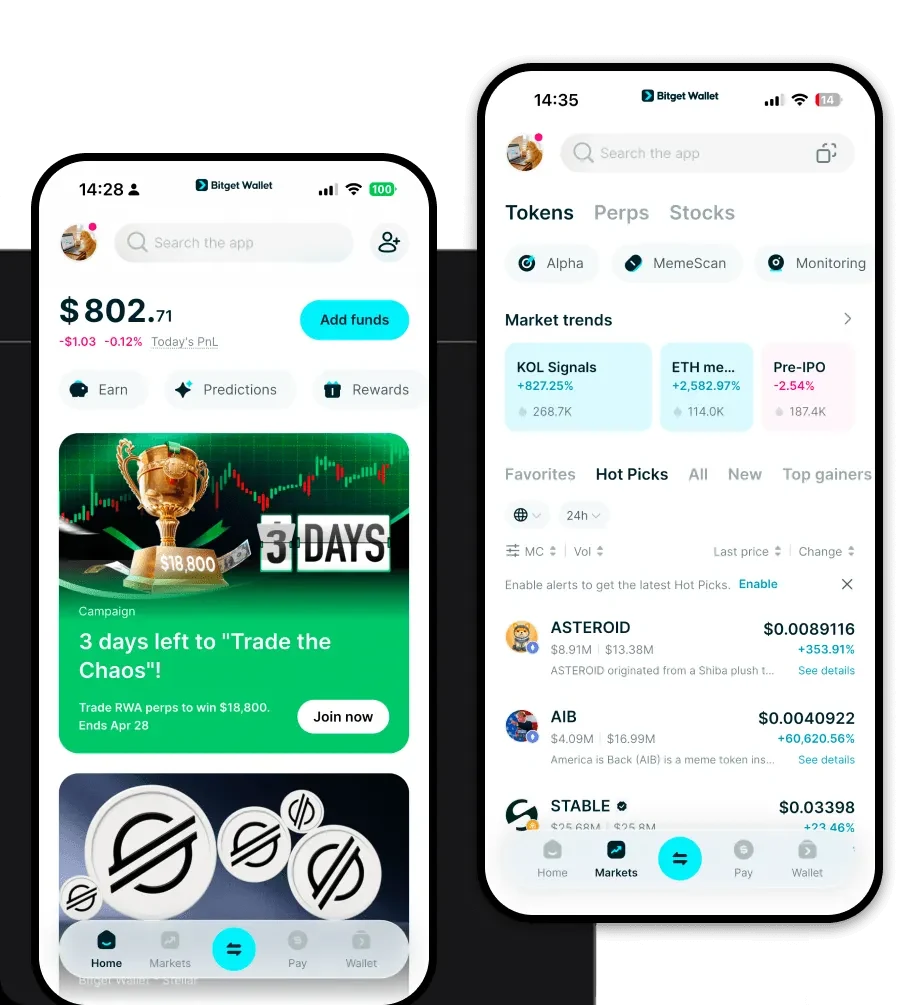
Managing your bbroker assets requires a secure and versatile gateway. The Bitget Wallet app provides a robust interface for handling EVM assets, ensuring you maintain full self-custody of your private keys. Whether you are on iOS, Android, or using the browser extension, the wallet is built to handle the complexities of modular token issuance. You can easily 'download Bitget Wallet' at https://web3.bitget.com/zh-CN/wallet-download to begin your journey. Its multi-chain support ensures that while you focus on bbroker, you can also manage other assets seamlessly in one place.
Why Choose Bitget bbroker Wallet?
Deep EVM Compatibility: Fully compatible with the Ethereum Virtual Machine ecosystem, allowing you to connect effortlessly to DeFi protocols and Vault strategies without compatibility issues.
Advanced Asset Security: Protected by a $300 million user protection fund, ensuring that your experimental vault positions and NFT holdings are shielded from common vulnerabilities.
Optimized DEX Aggregation: Access the best liquidity routes across hundreds of DEXs, which is crucial for managing the trade-driven yield mechanisms central to bbroker.
Intuitive DApp Browser: Simplifies the interaction with experimental platforms, making it easier to engage with modular token issuance protocols without technical friction.
How to Create a bbroker Wallet
1. Download and install the Bitget Wallet application from the official store or website.
2. Select 'Create a New Wallet' and securely back up your 12-word mnemonic recovery phrase; this is your only way to recover funds.
3. Set a strong password to encrypt your local wallet data, adding an extra layer of security for your device.
4. Once the wallet is initialized, navigate to the 'Add Token' section to import the specific bbroker contract address.
5. Your EVM-compatible address is now ready to receive, send, and trade bbroker tokens.
What Can You Do With a bbroker Wallet?
Trading: Execute high-frequency trades or strategic buys directly through the wallet's integrated DEX aggregator for optimal pricing.
Providing Liquidity: Deploy your assets into liquidity pools to support the ecosystem, earning rewards based on trade volume and protocol participation.
NFT Burning for Yield: Participate in the core bbroker mechanism by burning tax-token NFTs to capture realized profits, a feature unique to this asset class.
Participating in Vault Strategies: Lock assets into experimental vaults to explore advanced, trade-driven composable yield opportunities that are otherwise difficult to manage.
Community Economic Participation: Engage directly with the governance and economic models supported by the bbroker community, utilizing your wallet to interact with on-chain proposals.
How bbroker Wallets Are Different from Other Crypto Wallets
The bbroker wallet experience on the EVM ecosystem differs significantly from non-EVM wallets. Unlike UTXO-based chains that focus on transaction inputs and outputs, the EVM model relies on an account-based system, which is essential for interacting with smart contracts that power bbroker’s complex vault architecture. Furthermore, the Bitget Wallet optimizes for gas efficiency, which is critical when performing frequent NFT minting and burning transactions. While other wallets might treat assets as static balances, a specialized bbroker wallet setup allows for dynamic interaction with on-chain financial primitives, ensuring you aren't just holding, but actively participating in the protocol's experimental mechanisms.
