





What is a BAL Wallet?
A BAL wallet is a digital interface that allows you to interact with your Balancer (BAL) tokens on the blockchain. Because Balancer (BAL) is a DeFi protocol that functions as a decentralized automated portfolio manager, liquidity provider, and price sensor, it operates primarily on the EVM (Ethereum Virtual Machine) ecosystem. It introduces self-balancing pools that allow for customizable asset weights, enabling users to create liquidity pools with up to eight different tokens and flexible pool ratios, which helps mitigate impermanent loss and optimizes yield. To interact with these advanced DeFi features, you need a wallet that understands the EVM standard and supports the complex smart contract interactions required for liquidity provision and governance.
Download Bitget BAL Wallet
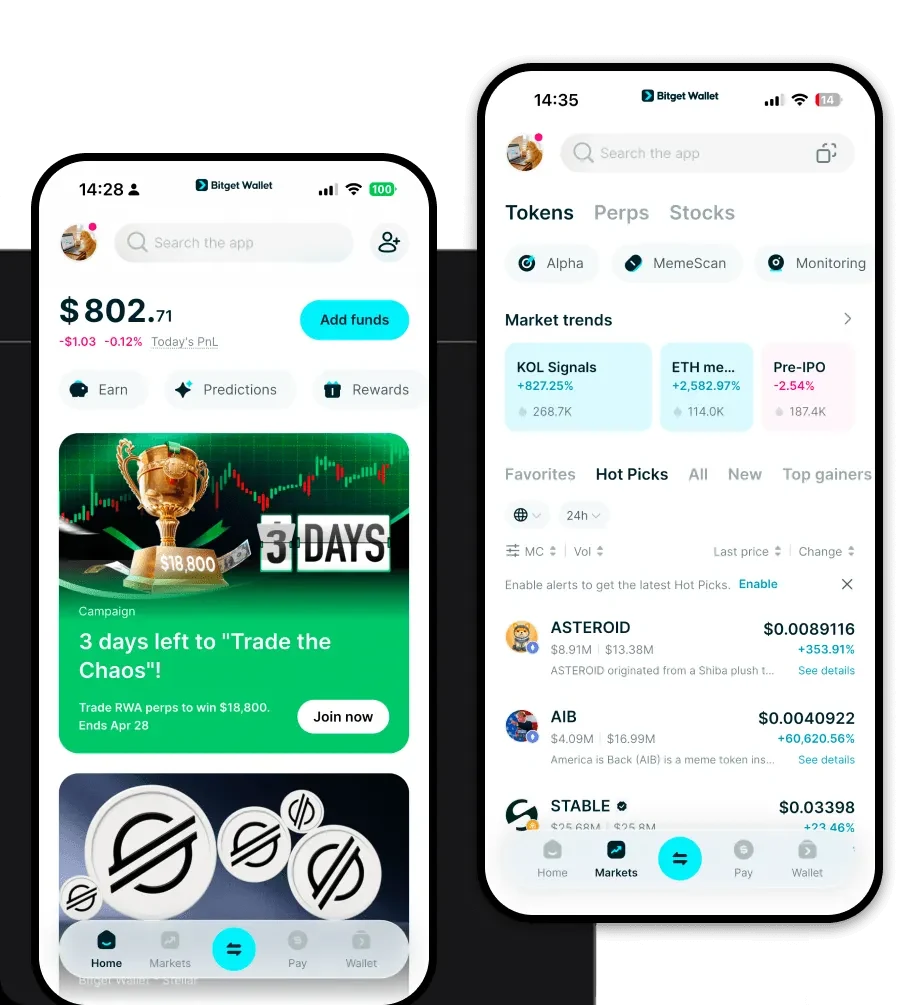
Getting started with your BAL journey requires a reliable entry point. Bitget Wallet stands out as a top-tier choice for managing your assets, providing a seamless bridge between your tokens and the broader decentralized finance world. It offers complete self-custody, meaning you hold your own private keys—a critical component of true crypto ownership. Whether you prefer managing your portfolio on the go via iOS or Android, or you need the convenience of a browser extension for desktop DeFi interaction, Bitget Wallet has you covered. With native support for 130+ chains, it ensures your BAL tokens are always accessible. To get started, you can download Bitget Wallet and set up your secure gateway to the ecosystem today.
Why Choose Bitget BAL Wallet?
- EVM Ecosystem Integration: As an EVM-native wallet, Bitget ensures flawless compatibility with Balancer's smart contracts, allowing for low-latency transaction signing and accurate gas fee estimation.
- Advanced DeFi Dashboard: Unlike standard wallets, Bitget provides a dedicated view for DeFi protocols, making it easier to track your liquidity positions and yield farming rewards in real-time.
- Robust Security Architecture: With a $300 million user protection fund and advanced MPC (Multi-Party Computation) technology, your BAL holdings are shielded against common vulnerabilities.
- Multi-Chain Aggregation: Bitget Wallet aggregates hundreds of DEXs and cross-chain bridges, ensuring you get the best swap rates if you ever need to convert your BAL or other assets.
- Intuitive DApp Browser: Access the Balancer interface directly within the wallet, removing the friction of connecting to external sites and managing multiple session permissions.
How to Create a BAL Wallet
Creating your wallet is a straightforward process designed for both newcomers and DeFi power users:
- Install the App: Download the Bitget Wallet application from the official store or website.
- Initialize Wallet: Open the app and select 'Create a New Wallet' to generate a fresh address on the EVM network.
- Backup Your Seed Phrase: Carefully write down your recovery phrase and store it offline; this is the only way to recover your assets if you lose device access.
- Set Security Protocols: Enable biometric authentication or a strong PIN code to add an extra layer of protection to your local device.
- Receive BAL: Navigate to your asset list, select 'Receive,' and copy your EVM-compatible wallet address to deposit your BAL tokens.
What Can You Do With a BAL Wallet?
Using a BAL wallet opens up the full utility of the Balancer protocol. Here is how you can actively engage with the ecosystem:
- Providing Liquidity: You can deposit your tokens into various pools to facilitate trades and earn transaction fees, directly contributing to the protocol's depth.
- Staking: By locking your tokens, you can participate in security and consensus mechanisms, often earning yield rewards in return.
- Governance Voting: As a holder, you can use your wallet to sign transactions that participate in decentralized governance, helping shape the future upgrades and parameters of the protocol.
- Yield Farming: You can leverage your assets in various yield farming strategies to maximize capital efficiency across different pools.
- Asset Management: Use the wallet as a central hub to monitor your automated portfolio, adjusting your exposure to different tokens based on market conditions.
How BAL Wallets Are Different from Other Crypto Wallets
Because BAL operates on the EVM, your wallet functions differently than those built for UTXO chains like Bitcoin. In an EVM wallet, you are interacting with an account-based model, where your address stores your token balance and your interactions are processed as smart contract calls. You must manage gas fees, which are the costs paid to network validators to process your transactions. Unlike wallets for resource-heavy chains that require complex resource management (like CPU/RAM), an EVM wallet focuses on gas optimization. This makes your experience with BAL highly efficient, as you can easily adjust gas settings during periods of network congestion to ensure your liquidity provisions or governance votes are executed promptly.
