





1. What is an AIC Wallet?
An AIC wallet is a specialized digital interface designed to securely store, send, and interact with the AIC token. As an independent experimental derivative token, AIC operates within the EVM (Ethereum Virtual Machine) ecosystem. The project is driven by a dedicated team of smart contract engineers, researchers, and anonymous contributors who are pushing the boundaries of decentralized technology. At its core, AIC combines on-chain AI with token incentives and decentralized governance, aiming to build a composable technical ecosystem for developers and the community. Because it is built on the EVM, any wallet you choose must be capable of handling ERC-20 token standards and interacting with the complex smart contracts that define the AIC infrastructure.
2. Download Bitget AIC Wallet
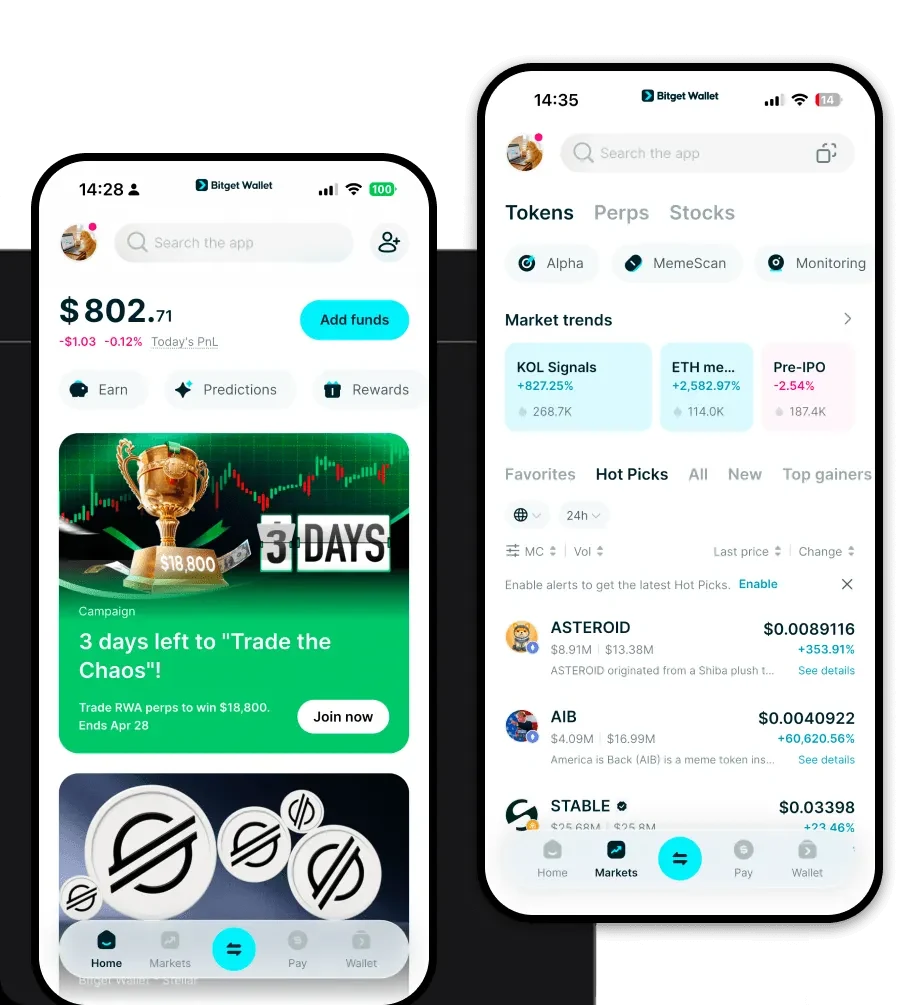
To fully experience the potential of the AIC ecosystem, you need a robust, user-friendly, and secure gateway. Bitget Wallet stands out as the premier choice for AIC holders who require both convenience and enterprise-grade security. It provides a seamless experience whether you are managing assets on the go or conducting complex DeFi operations from your desktop.
Bitget Wallet ensures your private keys remain under your sole control, embodying the 'not your keys, not your coins' ethos of self-custody. With support for over 130+ mainstream blockchains and millions of tokens, it acts as a universal hub for your EVM-based assets. You can easily access the platform via iOS, Android, or as a browser extension. To get started, you can download Bitget Wallet and begin your journey into the AIC ecosystem today.
3. Why Choose Bitget AIC Wallet?
Choosing the right wallet for an infrastructure-focused token like AIC is critical. Because AIC operates on the EVM, you need a wallet that understands the nuances of gas fees, smart contract interaction, and DeFi liquidity. Here is why Bitget Wallet is the preferred tool for AIC users:
- Native EVM Optimization: Bitget Wallet is architected for the EVM environment, ensuring that your AIC transactions are processed with optimal gas fee estimations and faster confirmation times, which is essential for active developers and traders.
- Advanced Smart Contract Interaction: As an infrastructure project, AIC requires a wallet that can seamlessly read and interact with complex protocol addresses. Bitget Wallet’s DApp browser provides a secure, intuitive environment to connect with AIC’s technical ecosystem.
- Multi-Layer Asset Protection: With a $300 million user protection fund, Bitget Wallet adds an extra layer of security for your holdings, mitigating risks associated with malicious DApps and unauthorized interactions.
- Seamless Cross-Chain Liquidity: Since AIC requires liquidity provision, Bitget Wallet aggregates hundreds of DEXs and cross-chain bridges, allowing you to swap and manage your assets with minimal slippage.
4. How to Create an AIC Wallet
Creating your AIC wallet with Bitget is a straightforward process that takes only a few minutes. Follow these steps to secure your assets:
- Download and Install: Visit the official website to download Bitget Wallet on your preferred device (iOS, Android, or Browser Extension).
- Create a New Wallet: Open the app and select 'Create a New Wallet.' You will be prompted to set a strong, unique password to protect the local application.
- Secure Your Recovery Phrase: The app will generate a 12-word mnemonic phrase. Write this down on physical paper and store it in a secure location. Never share this with anyone, as it is the only way to recover your funds if you lose your device.
- Verify and Setup: Follow the on-screen prompts to verify your recovery phrase. Once verified, your wallet is initialized and ready to use.
- Add AIC Token: Since AIC is an EVM token, you can simply search for the token contract address within the 'Assets' tab and add it to your dashboard to track your balance and perform transactions.
5. What Can You Do With an AIC Wallet?
Owning an AIC wallet is about more than just holding tokens; it is about active participation in the project's evolution. Here are the core activities you can perform:
- Governance Voting: Utilize your wallet to participate in decentralized governance, where you can cast votes on protocol upgrades and influence the future direction of the AIC ecosystem.
- Liquidity Provision: Connect your wallet to supported decentralized exchanges to provide liquidity for AIC, helping to stabilize the market while potentially earning transaction fees.
- Token Staking: Lock your AIC tokens directly through your wallet interface in staking contracts to support network security and earn yield as part of the experimental tokenomics model.
- Protocol Development Contribution: Use your wallet to interact with developer-centric tools and smart contracts, allowing you to contribute to the composable technical ecosystem.
- Trading: Execute seamless trades on the open market, leveraging the wallet's integrated DEX features to swap AIC for other tokens at the best available prices.
6. How AIC Wallets Are Different from Other Crypto Wallets
Not all wallets are created equal, especially when dealing with infrastructure tokens like AIC. Unlike wallets designed for Bitcoin's UTXO (Unspent Transaction Output) model, an AIC wallet must be fully compatible with the EVM account-based model. This means your wallet manages balances and smart contract states rather than tracking individual transaction outputs.
Furthermore, because AIC is an infrastructure-focused token, your wallet must handle gas fees efficiently. While some wallets (like those for Solana) focus on high-throughput, low-fee models, an AIC wallet on the EVM must prioritize compatibility with Ethereum's fee-market mechanics. Bitget Wallet excels here by providing smart gas management, ensuring that even during periods of high network congestion, your interactions with the AIC protocol—such as staking or voting—remain prioritized and cost-effective.
