





What is a WPE Wallet?
A WPE wallet acts as your personal gateway to the decentralized finance ecosystem, specifically designed to interact with the WPE token on the EVM (Ethereum Virtual Machine) blockchain. Because WPE operates within the EVM framework, it benefits from the massive interoperability and security standards established by the Ethereum network. WPE is a token supported by Bitget Wallet, a secure and reliable crypto wallet trusted by 40 million users, allowing for seamless Web3 exploration and management. Unlike centralized exchange accounts, a dedicated WPE wallet ensures that you retain full custody of your private keys, giving you absolute control over your digital assets while interacting with various DeFi protocols.
Download Bitget WPE Wallet
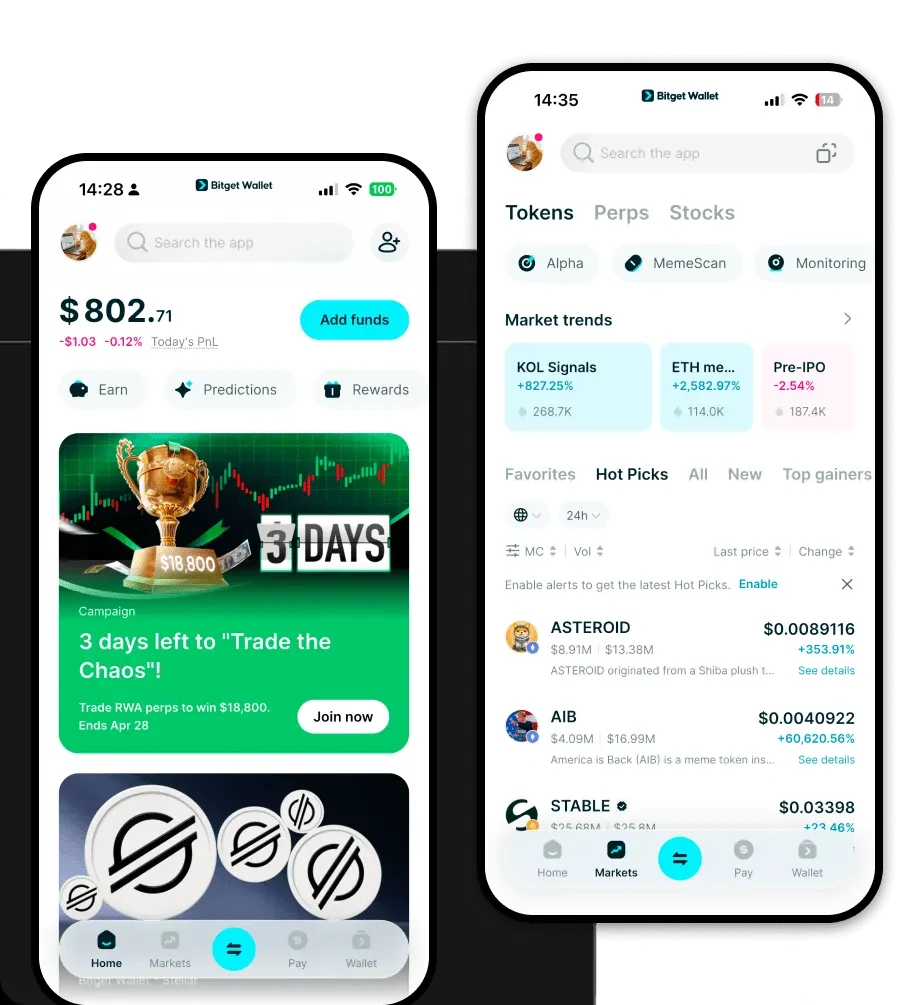
To begin managing your WPE tokens, you need a robust interface that supports the full spectrum of EVM-based activities. We recommend downloading the Bitget Wallet app, which serves as an all-in-one hub for your crypto journey. You can download Bitget Wallet directly to your mobile device (iOS or Android) or add it as a browser extension for your desktop. This application is designed for users who prioritize self-custody and multi-chain support, ensuring that you can manage your WPE alongside hundreds of other tokens across diverse networks without needing multiple apps. The installation process is straightforward, focusing on user privacy and security from the moment you generate your recovery phrase.
Why Choose Bitget WPE Wallet?
Selecting the right application is critical for your DeFi experience. Bitget Wallet stands out for WPE users due to several key advantages:
- MetaMask Compatibility: As an EVM-focused wallet, Bitget allows you to import your existing wallets seamlessly, making the transition to a more powerful interface effortless without losing your transaction history.
- Advanced Gas Fee Optimization: The wallet provides intelligent gas fee estimation, ensuring your WPE transactions are processed at the most efficient cost, which is essential for frequent DeFi interactions.
- High-Level Security Architecture: With a dedicated 300 million USD user protection fund, Bitget provides a safety net for your assets, combining self-custody with institutional-grade security measures.
- DeFi Ecosystem Integration: The wallet aggregates hundreds of decentralized exchanges and cross-chain bridges, allowing you to swap WPE directly within the app without navigating to external sites.
- Cross-Chain Compatibility: Beyond its EVM roots, the wallet supports over 130 public chains, ensuring you can manage WPE even if you decide to bridge your assets to other networks in the future.
How to Create a WPE Wallet
Setting up your wallet is a critical security step. Follow these five steps to ensure your WPE is stored safely:
- Download and Install: Visit the official link to download Bitget Wallet and install it on your preferred device.
- Create a New Wallet: Open the app and select 'Create a New Wallet'. You will be asked to set a strong, unique password for the app interface.
- Backup Your Seed Phrase: The app will generate a 12 or 24-word recovery phrase. Write this down on paper—never store it digitally—as this is the only way to recover your WPE if you lose your device.
- Verify Your Setup: Follow the on-screen prompts to verify your seed phrase, ensuring you have recorded it correctly.
- Add WPE Token: Once your wallet is active, use the 'Add Token' feature and input the WPE contract address to ensure your balance is visible on your dashboard.
What Can You Do With a WPE Wallet?
Owning a WPE wallet is not just about holding assets; it is about actively participating in the DeFi economy. Here are the core use cases:
- Trading: You can utilize the built-in swap functionality to trade WPE against other tokens instantly, leveraging the liquidity aggregated from multiple decentralized exchanges.
- Staking: By connecting your wallet to authorized staking protocols, you can lock your WPE to participate in network consensus or governance, earning passive rewards over time.
- Providing Liquidity: You can deposit your WPE into decentralized liquidity pools, helping to facilitate trades for other users while earning a share of the transaction fees generated by the pool.
- Portfolio Management: You can monitor the real-time performance of your WPE holdings and track your entire DeFi portfolio’s value through the wallet’s integrated analytics dashboard.
How WPE Wallets Are Different from Other Crypto Wallets
Understanding the architecture is key to choosing the right tool. Unlike wallets designed for Bitcoin or other UTXO-based chains, a WPE wallet is built on an account-based model. In the EVM world, your wallet address acts as a smart contract-capable account, which allows for complex interactions like automated DeFi swaps and yield farming—features that traditional UTXO wallets cannot easily replicate. Furthermore, while some chains rely on resource models (like CPU/NET/RAM in EOS), EVM wallets like Bitget focus on gas fees as the primary economic unit for transaction priority. This means your WPE wallet is specifically optimized for speed and high-frequency interaction with decentralized applications, providing a superior experience compared to legacy wallets that lack native DeFi integration.
