





What is a WHD Wallet?
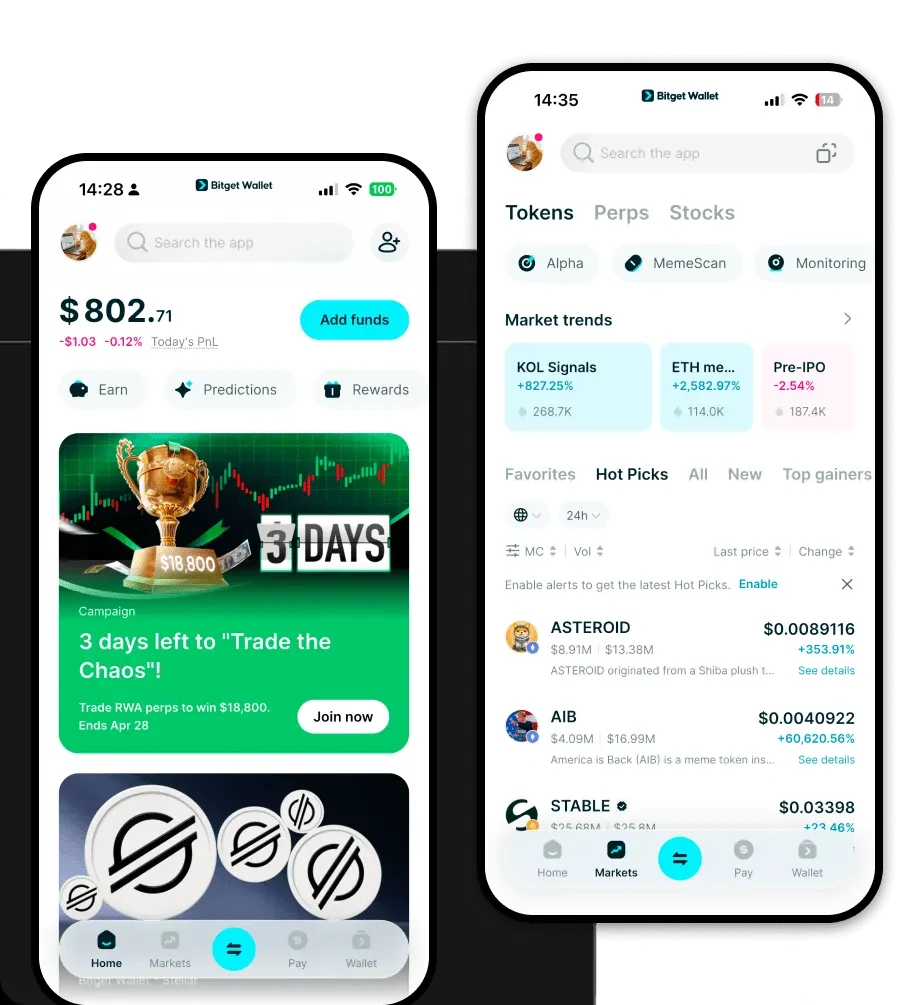
A WHD wallet is a specialized digital interface designed to interact with the blockchain network where the WHD token resides. As an asset built on the EVM (Ethereum Virtual Machine) blockchain, WHD requires a wallet that is fully compatible with EVM standards to ensure seamless interaction with smart contracts and decentralized applications. WHD is a digital asset that can be securely stored and managed using the Bitget Wallet. Trusted by 40 million users, Bitget Wallet allows users to explore Web3, manage their WHD holdings, and participate in the broader crypto ecosystem efficiently.
Download Bitget WHD Wallet
Getting started with your WHD assets requires a reliable and versatile gateway. The Bitget Wallet app provides a robust infrastructure for managing your tokens with ease. Whether you are an experienced trader or a newcomer to the meme coin space, this platform simplifies the complexities of Web3. The wallet is designed for true self-custody, ensuring that you—and only you—hold the private keys to your digital assets. With comprehensive multi-chain support, you can manage your WHD alongside a vast array of other tokens without switching between different apps. You can download Bitget Wallet today, which is fully optimized for iOS, Android, and as a browser extension, ensuring you have access to your portfolio anytime, anywhere.
Why Choose Bitget WHD Wallet?
Choosing the right wallet for a meme-based asset like WHD is critical for navigating high-volatility environments. Bitget Wallet offers specific advantages for EVM-based assets:
- EVM Compatibility: Designed specifically for the Ethereum Virtual Machine ecosystem, ensuring instant integration with existing DeFi protocols and dApps.
- Seamless Decentralized Trading: Aggregates liquidity from hundreds of DEXs, allowing you to find the best swap rates for your WHD without leaving the app.
- Community-Driven Focus: Provides real-time market insights and trending data, perfect for users active in the fast-paced meme coin sector.
- Robust Security Architecture: Backed by a $300 million user protection fund and advanced encryption, keeping your WHD holdings safe from malicious actors.
- High Liquidity Access: Built-in cross-chain bridges allow you to move assets fluidly, ensuring you can capitalize on market movements quickly.
How to Create a WHD Wallet
Setting up your wallet is a straightforward process that grants you full control over your WHD holdings. Follow these steps:
- Download and Install: Visit the official website to download Bitget Wallet for your mobile device or browser.
- Create a New Wallet: Open the app and select 'Create a Wallet'. This will generate a unique address for your WHD tokens.
- Backup Your Seed Phrase: You will be given a 12-to-24-word recovery phrase. Write this down on paper and store it in a secure, offline location. Never share this with anyone.
- Set a Security PIN: Create a strong password or biometric authentication to protect the app on your device.
- Add WHD to Your Dashboard: Once your wallet is set up, you can manually add the WHD token contract address if it does not appear automatically, allowing your balance to show up instantly.
What Can You Do With a WHD Wallet?
Holding WHD in a Bitget Wallet opens up several utility avenues within the Web3 space:
- Trading: Use the built-in DEX aggregator to execute fast, low-slippage swaps between WHD and other major EVM-compatible tokens.
- Holding: Keep your WHD tokens in a secure, non-custodial environment where you retain full ownership and control over your private keys.
- Speculation: Actively monitor the market and react to community-driven trends in the meme coin sector by swapping tokens at the optimal moment.
- Wallet Storage: Utilize the wallet as a long-term vault for your WHD, benefiting from advanced security features like transaction signing and hardware wallet integration support.
How WHD Wallets Are Different from Other Crypto Wallets
When dealing with an EVM-based token like WHD, the wallet you choose fundamentally changes how you interact with the chain. Unlike wallets designed for the UTXO model (like Bitcoin), which focus on discrete transaction inputs and outputs, a WHD wallet using the EVM model is designed for smart contract interaction. This means your wallet acts as a 'state machine,' keeping track of account balances and contract data rather than just unspent transaction outputs. Furthermore, because WHD operates on the EVM, you are dealing with gas fees—the cost of executing smart contract logic. Bitget Wallet optimizes this experience by providing clear gas fee estimations and 'speed-up' features, which are essential for traders who need to prioritize transactions during high-volume meme coin rallies, a feature rarely prioritized in simpler, non-EVM wallets.
