




What is a v7 Wallet?
A v7 wallet is a digital interface designed to interact with the V7 token, a unique digital asset operating on the EVM (Ethereum Virtual Machine) blockchain. Because V7 is built on EVM-compatible networks, it requires a wallet that can handle smart contract interactions, gas fee management, and token approvals seamlessly. Are you looking for a reliable and secure crypto wallet for your V7? Bitget Wallet will be your best choice. Trusted by 40 million users, you can freely explore Web3 on Bitget Wallet. Start your journey now!
Download Bitget v7 Wallet
Getting started with your V7 assets requires a robust, non-custodial solution. Bitget Wallet provides a comprehensive gateway to the blockchain ecosystem. Whether you are using an iPhone, an Android device, or prefer managing assets via a browser extension, Bitget Wallet ensures your private keys remain under your sole control. You can download Bitget Wallet today to experience its multi-chain architecture, which automatically detects and supports thousands of tokens, including V7, without the need for manual configuration.
Why Choose Bitget v7 Wallet?
- Native EVM Compatibility: Bitget Wallet is architected for the EVM ecosystem, ensuring that your V7 transactions are processed with full compatibility and optimal gas estimation, which is crucial for high-volatility meme coins.
- Advanced Decentralized Trading: The wallet aggregates liquidity from hundreds of DEXs, allowing you to swap V7 with the lowest slippage and fastest execution times, keeping you ahead of rapid market movements.
- Robust Security Architecture: With a $300 million user protection fund and advanced MPC (Multi-Party Computation) wallet options, your speculative assets are shielded against single points of failure.
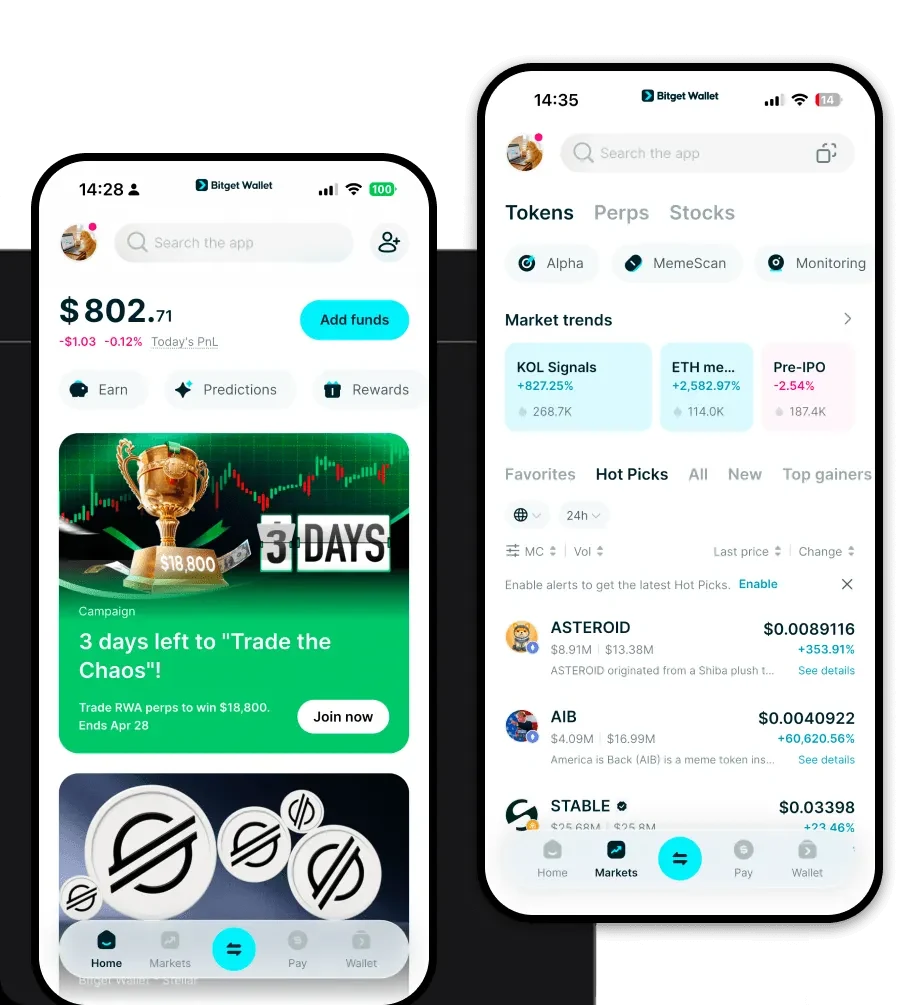
- Meme-Friendly Interface: Designed for the fast-paced nature of meme assets, the wallet provides real-time market data, trending token alerts, and a streamlined DApp browser to access community-driven platforms effortlessly.
How to Create a v7 Wallet
Setting up your wallet is a straightforward process designed to prioritize your security:
- Install the App: Download and install the Bitget Wallet application on your mobile device or browser.
- Generate a New Wallet: Select 'Create a New Wallet' and ensure you are in a private environment.
- Backup Your Seed Phrase: Carefully write down your 12-word recovery phrase and store it offline; never share this with anyone.
- Verify and Secure: Complete the verification steps and set a strong biometric or PIN lock for the app.
- Import or Receive V7: Once set up, you will see your wallet address on the dashboard; copy this address to receive your V7 tokens directly.
What Can You Do With a v7 Wallet?
Managing V7 goes beyond simple storage; Bitget Wallet empowers you to engage fully with the token's ecosystem:
- Trading: Utilize the integrated swap feature to exchange V7 for other assets instantly, capitalizing on market trends without leaving the app.
- Speculative Holding: Use the secure non-custodial storage to hold V7 long-term, maintaining full ownership of your assets while monitoring their value in real-time.
- Liquidity Provision: Connect your wallet to authorized DeFi protocols through the DApp browser to provide liquidity for V7 pairs, potentially earning rewards from trading fees.
- Community Engagement: Participate in community-driven initiatives, governance votes, or exclusive airdrops by connecting your wallet to V7-specific platforms and dApps.
How v7 Wallets Are Different from Other Crypto Wallets
When dealing with EVM-based meme tokens like V7, the choice of wallet matters. Unlike legacy wallets that might struggle with complex smart contract interactions, Bitget Wallet is optimized for the account-based model of the EVM. This means it handles gas fees more efficiently, ensuring that even during periods of high network congestion, your V7 transactions are prioritized correctly. Furthermore, while some wallets are rigid, Bitget Wallet's open architecture allows for instant custom token additions and seamless interaction with smart contracts, avoiding the common 'asset not found' errors often seen in more restrictive, centralized-style wallet interfaces.
