




1. What is a RIPWIF Wallet?
A RIPWIF wallet is a digital interface that allows you to interact with your RIPWIF holdings on the blockchain. RIPWIF is a meme-based cryptocurrency operating on the Solana blockchain. Users can securely manage and trade their RIPWIF tokens using wallets like Bitget Wallet, which offers a reliable gateway to explore the Web3 ecosystem. Because RIPWIF exists on the Solana network, your wallet acts as your personal gateway to Solana's high-speed, low-cost decentralized finance environment.
2. Download Bitget RIPWIF Wallet
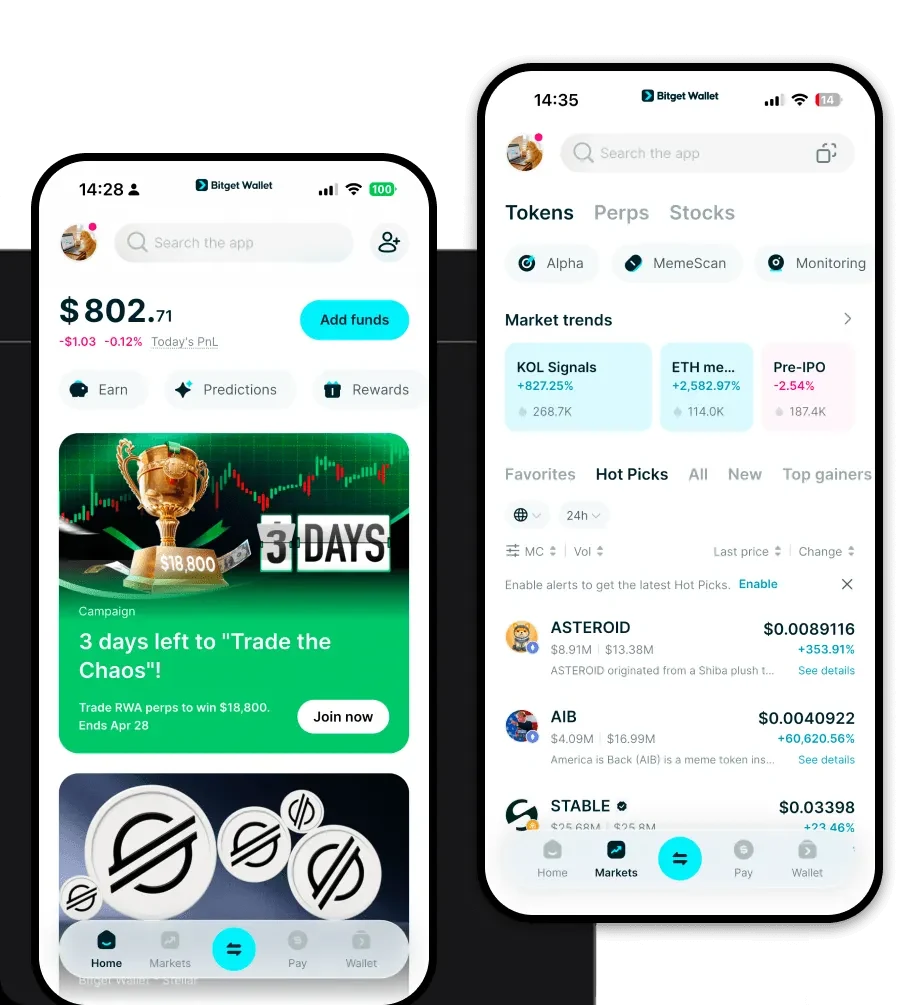
To start interacting with your tokens, you need a secure, non-custodial application. Bitget Wallet provides a seamless experience for managing RIPWIF, ensuring you retain full control over your private keys. Whether you are on the go or working from a desktop, you can download Bitget Wallet across multiple platforms, including iOS, Android, and as a browser extension. It supports over 130 public chains, making it a robust, multi-chain solution that keeps your assets organized in one place.
3. Why Choose Bitget RIPWIF Wallet?
Choosing the right wallet for a Solana-based meme coin is crucial. Here is why Bitget Wallet stands out for RIPWIF users:
- Solana Ecosystem Optimization: Benefit from the high throughput and fast transaction finality of the Solana network, ensuring your trades execute almost instantly.
- Ultra-Low Transaction Costs: Take advantage of Solana's low transaction fees, which are essential for frequent trading of meme-based assets.
- Comprehensive Security: Your assets are protected by a $300 million user protection fund, offering peace of mind while you explore volatile markets.
- Community-Driven Integration: Access a wallet that keeps pace with community-driven development, allowing you to stay ahead of viral trends.
- Seamless DApp Access: Easily connect to decentralized exchanges and NFT marketplaces directly within the app to manage your portfolio.
4. How to Create a RIPWIF Wallet
Setting up your wallet takes only a few minutes. Follow these steps to get started:
- Download and Install: Visit the official website to download Bitget Wallet for your preferred device.
- Create a New Wallet: Open the app and select 'Create a Wallet.' You will be prompted to set a strong password.
- Backup Your Seed Phrase: Carefully write down your 12-word recovery phrase and store it in a secure, offline location. Never share this with anyone.
- Verify Solana Address: Once set up, ensure you are on the Solana network. Your wallet will automatically generate your unique Solana address.
- Deposit RIPWIF: Copy your wallet address and send your RIPWIF tokens from an exchange or another wallet to start managing your assets.
5. What Can You Do With a RIPWIF Wallet?
With a fully functional RIPWIF wallet, you can participate deeply in the ecosystem:
- Trading on Decentralized Exchanges: Use built-in DEX aggregators to swap your RIPWIF for other Solana tokens with minimal slippage.
- Speculative Holding: Keep your tokens secure in a non-custodial environment while you wait for market movements.
- Community Engagement: Use your wallet to connect to community platforms and participate in governance or viral social media campaigns.
- Portfolio Diversification: Easily manage other Solana-based assets alongside your RIPWIF to balance your risk.
- Participating in Ecosystem Airdrops: Use your wallet address to qualify for and receive exclusive airdrops within the Solana ecosystem.
6. How RIPWIF Wallets Are Different from Other Crypto Wallets
Not all wallets are built the same. When dealing with a Solana-native token like RIPWIF, the architecture matters. Unlike EVM-based wallets that rely on complex gas estimation for Ethereum, a Solana wallet is designed for high throughput, meaning your transactions are processed in milliseconds. Furthermore, while some wallets use complex account models, Solana wallets utilize a streamlined system that keeps fees negligible. Bitget Wallet leverages this efficiency, ensuring that your experience is not bogged down by the high costs or network congestion often found in older blockchain architectures.
