



What is a RASH Wallet?
A RASH wallet is a digital interface that allows you to securely store, send, and receive RASH tokens. Because RASH operates on the EVM (Ethereum Virtual Machine) chain, your wallet needs to be fully compatible with Ethereum-based standards to interact with smart contracts and decentralized applications seamlessly. RASH is a digital asset often associated with community-driven projects and speculative trading within the crypto ecosystem. Users looking to manage, store, or trade RASH tokens typically rely on secure, multi-chain wallets like Bitget Wallet to access Web3 opportunities and participate in broader decentralized finance activities.
Download Bitget RASH Wallet
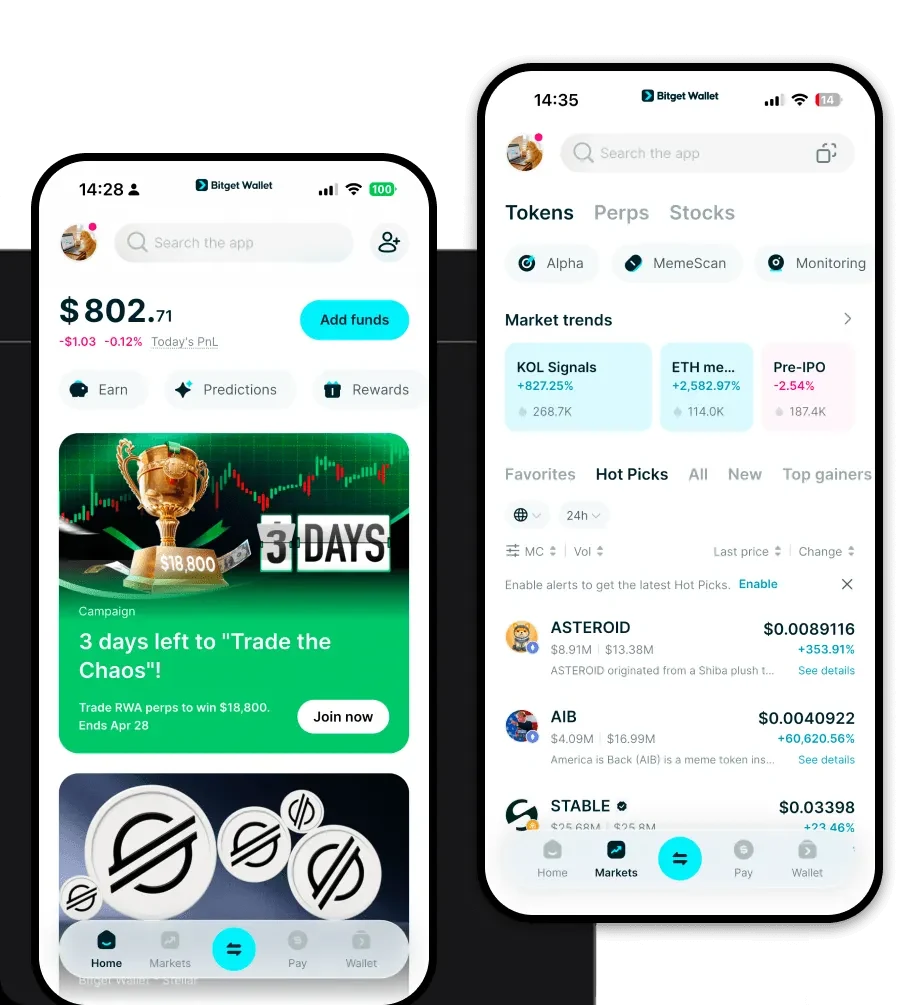
For those diving into the RASH ecosystem, accessibility is key. You need a tool that doesn't just hold your tokens but connects you to the wider market. Bitget Wallet provides a robust, decentralized solution that puts you in full control of your private keys. Whether you are on the move or working from a desktop, you can easily download Bitget Wallet across iOS, Android, or as a browser extension. It offers native multi-chain support, ensuring that as your portfolio expands beyond RASH into other EVM-compatible assets, your management remains centralized and efficient.
Why Choose Bitget RASH Wallet?
- Deep EVM Integration: Built specifically for EVM chains, Bitget Wallet ensures instant compatibility with RASH and any other Ethereum-based token, allowing for smooth interactions with decentralized exchanges.
- Advanced Security Infrastructure: With a dedicated $300 million user protection fund, Bitget Wallet provides a robust safety net for your assets, significantly reducing the risks associated with holding volatile meme tokens.
- Optimized Gas Fee Management: Managing high-volatility assets like RASH requires precision. Bitget’s intelligent gas fee estimation helps you time your transactions during peak periods to avoid overpaying.
- Seamless DApp Connectivity: Experience the true power of community-driven tokens by connecting your wallet directly to the latest decentralized trading platforms without leaving the app interface.
How to Create a RASH Wallet
1. Download and install the Bitget Wallet application on your mobile device or browser. 2. Select 'Create a New Wallet' and ensure you securely back up your 12-word mnemonic phrase—never share this with anyone. 3. Set a strong password for your local device to add an extra layer of biometric or PIN security. 4. Once your wallet is initialized, the system will automatically generate an EVM-compatible address. 5. Finally, use the 'Add Token' function, search for the RASH contract address, and import it to make your RASH balance visible in your dashboard.
What Can You Do With a RASH Wallet?
- Speculative Trading: Use your RASH wallet to swap tokens on decentralized exchanges, capitalizing on the high volatility inherent in community-driven projects.
- Liquidity Provision: By connecting your wallet to decentralized protocols, you can deposit your RASH tokens into liquidity pools to earn potential rewards from trading fees.
- Portfolio Diversification: A multi-chain wallet allows you to manage RASH alongside a diverse array of other assets, keeping your investments organized in one interface.
- Community Governance Participation: Engage directly with the RASH ecosystem by using your wallet to sign transactions related to community governance, allowing you to have a say in future project developments.
How RASH Wallets Are Different from Other Crypto Wallets
Unlike simple custodial wallets that act like bank accounts, a RASH wallet like Bitget is a non-custodial, Web3-native tool. Because RASH runs on the EVM, your wallet utilizes the account-based model, which is distinct from the UTXO model found in Bitcoin wallets. This means your wallet address remains consistent across different EVM chains, making it easier to manage interactions with complex smart contracts. Furthermore, while some wallets struggle with the high-speed requirements of meme token trading, Bitget Wallet is optimized for the EVM's gas-based fee structure, ensuring your transactions are prioritized even when the network is congested.
