




What is a PFT Wallet?
A PFT wallet is a specialized digital interface designed to securely store, manage, and interact with the Propeller Finance Token (PFT). Because PFT operates on the EVM (Ethereum Virtual Machine) chain, it requires a wallet that is fully compatible with Ethereum-based standards, smart contract interactions, and decentralized application (dApp) protocols. PFT (Propeller Finance Token) is the native utility and governance token for the Propeller Finance ecosystem, designed to facilitate decentralized finance activities. Users can manage their PFT assets securely using wallets like Bitget Wallet, which offers a reliable gateway to explore Web3 and interact with the Propeller Finance platform. By using a dedicated PFT wallet, you ensure that your assets are protected by private key encryption while retaining full control over your participation in the Propeller Finance governance and yield mechanisms.
Download Bitget PFT Wallet
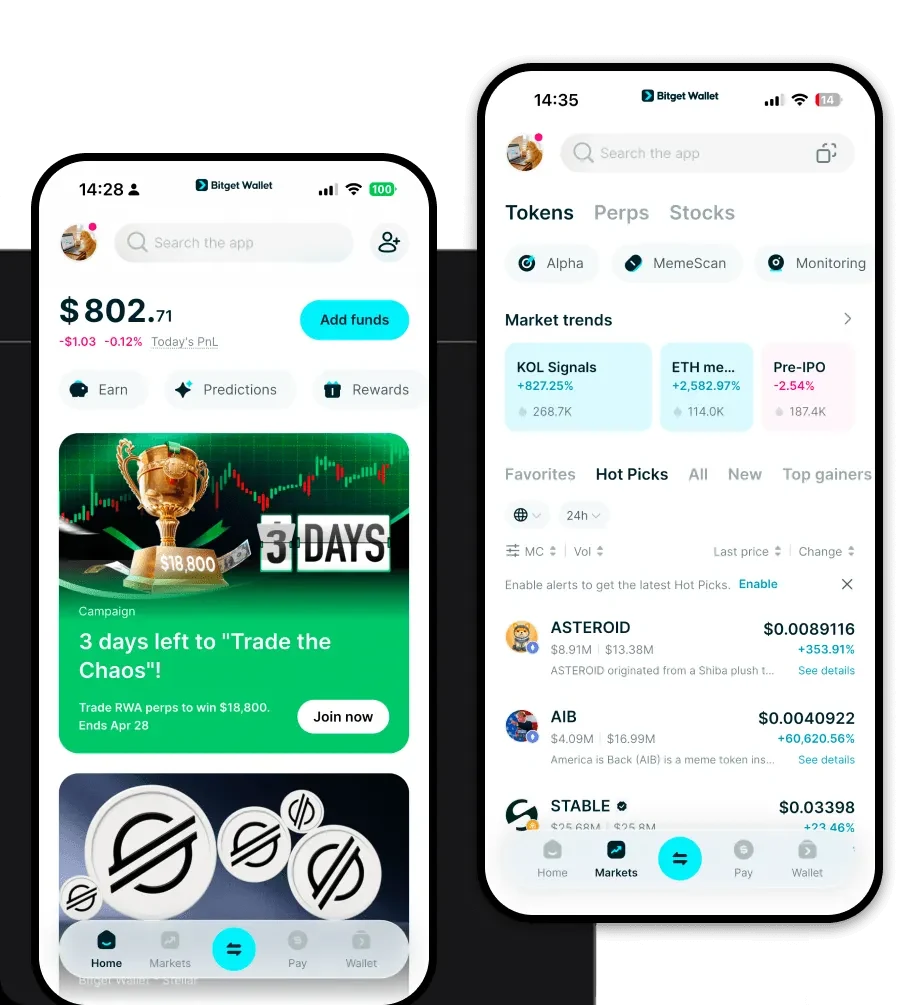
To begin your journey with PFT, you need a robust, user-friendly tool that prioritizes self-custody and multi-chain versatility. The Bitget Wallet app is designed to cater to both seasoned DeFi veterans and newcomers, providing an intuitive interface for managing your portfolio across various networks. Whether you are using an iOS device, an Android smartphone, or a desktop browser extension, the experience remains seamless and secure. You can easily download Bitget Wallet to get started immediately. By installing this application, you gain access to a platform that supports millions of tokens and hundreds of mainnets, ensuring that your PFT assets are always accessible and manageable from a single, unified dashboard.
Why Choose Bitget PFT Wallet?
Selecting the right wallet for your PFT tokens is critical for your DeFi experience. Bitget Wallet is engineered to optimize your interactions with EVM-based protocols, providing several distinct advantages:
- Seamless EVM Compatibility: Bitget Wallet is natively designed for EVM chains, ensuring that interacting with Propeller Finance smart contracts is smooth, error-free, and highly responsive.
- Advanced DeFi Dashboard: The wallet features a specialized interface for DeFi users, allowing you to track your yield farming positions, liquidity pools, and PFT governance stakes in real-time.
- Robust Security Architecture: With a dedicated 300 million USD user protection fund, Bitget Wallet offers an added layer of safety that goes beyond standard self-custody, protecting you against malicious dApps and common vulnerabilities.
- Smart Gas Fee Management: The wallet includes intelligent gas estimation tools, helping you navigate the EVM network efficiently and avoid overpaying for transactions during periods of high congestion.
- Integrated DEX Aggregation: You can execute low-slippage trades directly within the app, aggregating liquidity from hundreds of decentralized exchanges to ensure you get the best price for your PFT.
How to Create a PFT Wallet
Setting up your wallet is a straightforward process that grants you full ownership of your digital assets. Follow these steps to get your PFT wallet address ready:
- Download and Install: Visit the official website to download the Bitget Wallet app for your specific device (iOS, Android, or Browser Extension).
- Create a New Wallet: Open the app and select 'Create a Wallet.' You will be prompted to set a strong, unique password to protect the app locally.
- Secure Your Recovery Phrase: The app will generate a 12 or 24-word recovery phrase. Write this down on physical paper and store it in a secure location; never share this with anyone, as it is the only way to recover your funds.
- Verify the Network: Since PFT is an EVM-based token, ensure your wallet is set to the correct network (e.g., Ethereum or the specific chain where Propeller Finance operates) to view your assets correctly.
- Access Your Address: Navigate to the main asset screen, tap on 'Receive,' and copy your PFT wallet address. You can now share this address to receive PFT tokens or deposit them from an exchange.
What Can You Do With a PFT Wallet?
Holding PFT in a secure, non-custodial wallet unlocks the full potential of the Propeller Finance ecosystem. Here are the core activities you can engage in:
- Staking for Rewards: By locking your PFT tokens in authorized staking contracts through your wallet, you can earn passive rewards, contributing to the security and stability of the Propeller Finance network.
- Liquidity Provision: You can use your wallet to provide liquidity to decentralized exchanges, pairing your PFT with other assets to earn transaction fees generated by the protocol.
- Governance Voting: As a holder, you can participate in decentralized governance by voting on critical protocol updates and proposals, directly influencing the future trajectory of Propeller Finance.
- Yield Farming: Utilize your wallet to engage in automated yield optimization strategies, where your PFT assets are automatically deployed across different pools to maximize your returns.
- Trading on DEXs: Your wallet acts as your gateway to trade PFT on various DEXs, allowing you to swap your tokens for other assets with low slippage and high execution speed.
How PFT Wallets Are Different from Other Crypto Wallets
Understanding the architecture of your wallet is essential for managing EVM-based assets like PFT. Unlike wallets designed for Bitcoin or other UTXO-based networks, a PFT wallet is optimized for the EVM account-based model. In the EVM ecosystem, every address is an account that maintains a balance and interacts with smart contract code directly, which is fundamentally different from the unspent transaction output (UTXO) model used by Bitcoin. This means your PFT wallet must be adept at handling contract interactions, managing gas fees (the fuel required to execute smart contracts), and ensuring compatibility with the diverse array of dApps built on the EVM. Furthermore, because PFT is often involved in high-frequency DeFi activities like yield farming, a wallet like Bitget is superior to basic storage wallets because it provides the speed, low-latency execution, and real-time market data necessary for active DeFi participation.
