





What is an LLF Wallet?
An LLF wallet is a digital interface designed to interact with the blockchain network where your LLF tokens reside. Because LLF operates on the EVM (Ethereum Virtual Machine) ecosystem, it requires a wallet that fully supports the standards of this network, ensuring that your transactions are compatible with the broader DeFi landscape. Whether you are holding, trading, or staking, having a robust wallet is the foundational step for any crypto participant.
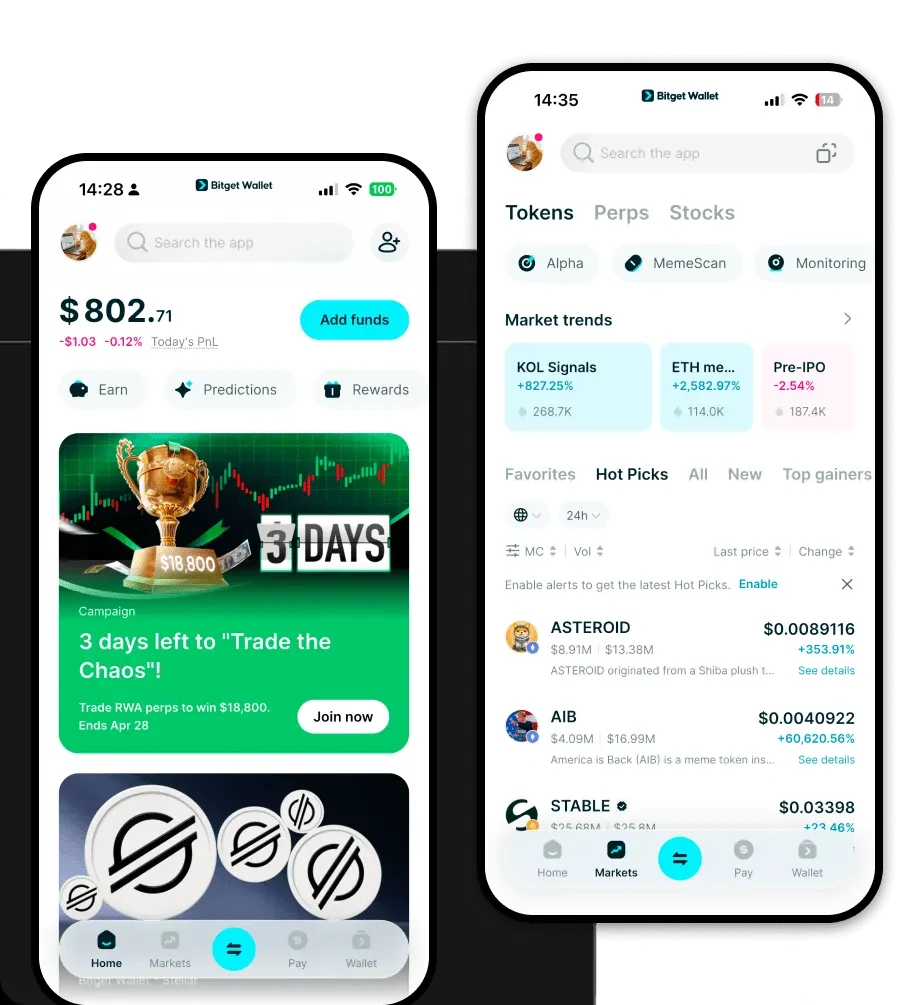
Are you looking for a reliable and secure crypto wallet for your LLF? Bitget Wallet will be your best choice. Trusted by 40 million users, you can freely explore Web3 on Bitget Wallet. Start your journey now! By leveraging the power of the EVM, Bitget Wallet allows you to interact with decentralized applications seamlessly, providing a gateway to the entire decentralized finance ecosystem while keeping your private keys under your complete control.
Download Bitget LLF Wallet
To get started, you need to download the appropriate application for your device. The Bitget LLF wallet app is designed for maximum accessibility, offering a native experience whether you are on mobile or desktop. You can easily download Bitget Wallet to secure your assets across iOS, Android, and browser extensions.
The application is built with the user in mind, emphasizing self-custody. This means you are the sole owner of your private keys and recovery phrases. With support for over 130 public chains, the wallet acts as a multi-chain hub, ensuring that you can manage not only your LLF tokens but also a diverse portfolio of other digital assets in one unified interface. The installation process is straightforward, designed to get you up and running in minutes while maintaining the highest security standards.
Why Choose Bitget LLF Wallet?
Selecting the best wallet for LLF requires looking at specific infrastructure needs, especially within the EVM ecosystem. Bitget Wallet stands out for several technical and functional reasons:
- Smart Contract Security: Bitget Wallet integrates advanced security protocols that proactively detect malicious contracts and phishing attempts, providing a safety net when you interact with complex DeFi protocols.
- Liquidity Aggregation: As an LLF holder, you need the best prices. The wallet aggregates liquidity from hundreds of decentralized exchanges (DEXs), ensuring you get optimal execution for every token swap.
- Cross-Chain Interoperability: Because the EVM landscape is vast, the wallet allows you to move assets across different chains without the friction of traditional bridging, utilizing built-in cross-chain bridges.
- Low Transaction Latency: Optimized for the EVM architecture, the wallet ensures that your transaction requests are broadcasted efficiently, minimizing the time you wait for confirmation even during periods of high network congestion.
- User Protection Fund: With a 300 million USD protection fund, Bitget provides an extra layer of assurance that is rarely seen in standard crypto wallets, prioritizing the safety of your funds above all else.
How to Create an LLF Wallet
Creating your LLF wallet address is a simple five-step process that ensures you maintain full ownership of your assets:
1. Download and Install: Visit the official site to download the Bitget Wallet app for your specific device.2. Create a New Wallet: Open the app and select the option to create a new wallet. This will generate a unique set of recovery phrases.3. Back Up Your Seed Phrase: Carefully write down your 12 or 24-word recovery phrase. Never store this digitally or share it with anyone; this is the master key to your LLF wallet address.4. Verify Your Backup: The app will prompt you to re-enter your seed phrase to ensure you have recorded it correctly.5. Import or Receive LLF: Once set up, you can import existing wallets or simply copy your public address to receive LLF tokens from exchanges or other users.
What Can You Do With an LLF Wallet?
An LLF wallet is not just for holding; it is an active tool for participating in the DeFi ecosystem. Here is how you can utilize your wallet:
- Staking for Rewards: By connecting your wallet to supported staking platforms, you can lock your LLF tokens to earn passive yield, helping to secure the network while growing your holdings.
- Token Swapping: Utilize the built-in DEX aggregator to swap LLF for other tokens directly within the wallet interface, benefiting from the best available market rates.
- Providing Liquidity: You can deposit your LLF into liquidity pools on DeFi protocols, acting as a market maker and earning a portion of the transaction fees generated by other users.
- Governance Voting: If LLF has a DAO or governance component, you can use your wallet to sign transactions that cast your vote on community proposals, directly influencing the future of the project.
How LLF Wallets Are Different from Other Crypto Wallets
When dealing with LLF on the EVM, the architecture of your wallet matters. Unlike BTC-based wallets that rely on the UTXO (Unspent Transaction Output) model, an EVM-compatible wallet like Bitget uses an account-based model. This means your wallet acts like a bank account with a balance, which allows for more complex interactions with smart contracts. This distinction is vital for DeFi users who need to interact with dApps. Furthermore, while some wallets struggle with gas fee management, Bitget Wallet provides real-time gas estimations and optimization suggestions, ensuring you do not overpay for transactions. This technical alignment makes it the superior choice for users who demand speed, security, and deep integration with the DeFi ecosystem.
