





1. What is a cvu Wallet?
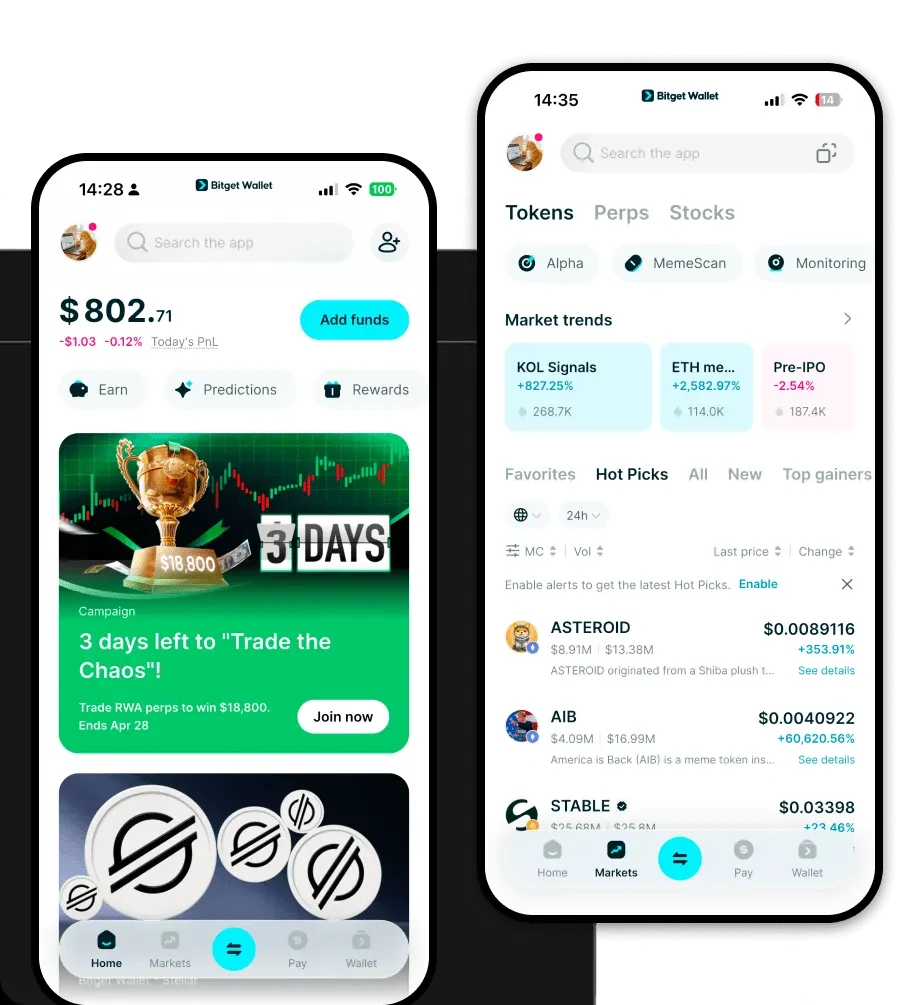
A cvu wallet is a specialized digital interface designed to interact with the Ethereum Virtual Machine (EVM) ecosystem, where cvu assets reside. Because cvu operates on an EVM-compatible chain, it requires a wallet that can interpret smart contracts, manage token approvals, and broadcast transactions to the network. CVU is a digital asset that can be securely managed using the Bitget Wallet, a trusted platform with 40 million users designed for Web3 exploration.
Unlike traditional banking apps, a cvu wallet acts as a gateway to the broader DeFi ecosystem. It allows you to hold your private keys, ensuring you have full custody of your cvu tokens. By leveraging the EVM architecture, your wallet serves as an identity layer, enabling you to connect to decentralized exchanges, lending protocols, and yield aggregators without intermediaries.
2. Download Bitget cvu Wallet
To begin managing your assets, you need a robust, multi-chain capable application. The Bitget Wallet offers a comprehensive, user-friendly experience that simplifies the complexities of Web3. It is designed for both novices who are just entering the crypto space and experienced traders who require high-level functionality.
You can download Bitget Wallet across multiple platforms, including iOS, Android, and as a browser extension. The wallet supports a vast array of chains, ensuring that your cvu assets are always accessible. With its self-custody model, you retain complete ownership of your private keys, meaning your assets are never held by a third-party server. Whether you are using a mobile device on the go or a desktop browser for intense DeFi trading, the experience remains consistent, secure, and intuitive.
3. Why Choose Bitget cvu Wallet?
Selecting the right wallet is a critical decision for any DeFi participant. Bitget Wallet stands out by providing features specifically tailored to the EVM ecosystem and the needs of modern traders:
- EVM Compatibility: Seamlessly interact with any dApp within the Ethereum ecosystem, ensuring your cvu transactions are processed with full smart contract support.
- Advanced Gas Fee Optimization: The wallet provides real-time gas estimation, helping you navigate network congestion and avoid overpaying for transaction fees.
- 300 Million USD Protection Fund: Bitget operates a significant user protection fund, providing an extra layer of security and peace of mind for your asset storage.
- Integrated DeFi Hub: Access hundreds of DEXs and liquidity protocols directly from the app, allowing you to swap and manage your cvu without leaving the interface.
- Cross-Chain Interoperability: Easily bridge your assets across different chains, ensuring you are not locked into a single ecosystem if you need to move your cvu to other networks.
4. How to Create a cvu Wallet
Creating your wallet is a straightforward process that emphasizes security and user control. Follow these steps to get started:
Step 1: Download the official application via the link provided above and install it on your preferred device.
Step 2: Open the app and select the 'Create Wallet' option. You will be prompted to set a strong, unique password to protect your local device access.
Step 3: The system will generate a 12 or 24-word recovery phrase. Crucial: Write this down on paper and store it offline. Never share this with anyone, as it is the master key to your cvu wallet address.
Step 4: Once your wallet is created, navigate to the asset management section and search for 'cvu' to add it to your list. If it is a custom token, you can import it using the contract address.
Step 5: Your wallet is now ready. You can receive cvu by copying your public address, which functions as your unique identifier on the EVM chain.
5. What Can You Do With a cvu Wallet?
A cvu wallet is more than just a place to store your tokens; it is a tool for active participation in the DeFi economy. Here are the primary use cases:
- Trading: You can use your wallet to execute trades on decentralized exchanges (DEXs), swapping your cvu for other tokens directly on the blockchain without centralized exchange friction.
- Holding: Securely store your cvu long-term, utilizing the wallet's enterprise-grade security to ensure your tokens remain protected while you wait for market opportunities.
- Staking: Participate in network or protocol governance by staking your cvu, which allows you to earn rewards and contribute to the health of the underlying DeFi ecosystem.
- Liquidity Provision: By depositing your cvu into liquidity pools, you can earn yield from transaction fees, acting as a market maker within the decentralized finance landscape.
6. How cvu Wallets Are Different from Other Crypto Wallets
Not all wallets are built the same. A wallet designed for an EVM asset like cvu operates on an 'Account-Based Model.' Unlike Bitcoin's UTXO (Unspent Transaction Output) model, the EVM model tracks balances associated with addresses, similar to a bank account structure, which makes smart contract interactions much simpler.
Furthermore, because cvu is an EVM token, your wallet must handle 'Gas' fees, which are native to the network. Bitget Wallet excels here by automating the management of these fees, whereas more primitive wallets might force users to manually set complex gas limits. Additionally, the speed and throughput of your transactions are dependent on the EVM chain's performance, and the Bitget Wallet is optimized to reduce latency, ensuring that your trades are broadcast and confirmed faster than on generic, unoptimized wallet interfaces.
