





What is a StakeStone Wallet?
A StakeStone wallet is a specialized digital gateway designed to interact with the StakeStone protocol, which operates primarily within the EVM (Ethereum Virtual Machine) ecosystem. Because StakeStone is built to function across various Layer 2 networks and chains, your wallet serves as the command center for managing STONE, a yield-bearing asset that allows you to maintain liquidity while participating in DeFi.
To provide clarity on the protocol, StakeStone is an omnichain liquidity protocol that brings native staking yields to Layer 2 and other ecosystems. By utilizing STONE (the yield-bearing token), users can participate in various DeFi protocols while maintaining liquidity and earning staking rewards across multiple chains.
Download Bitget StakeStone Wallet
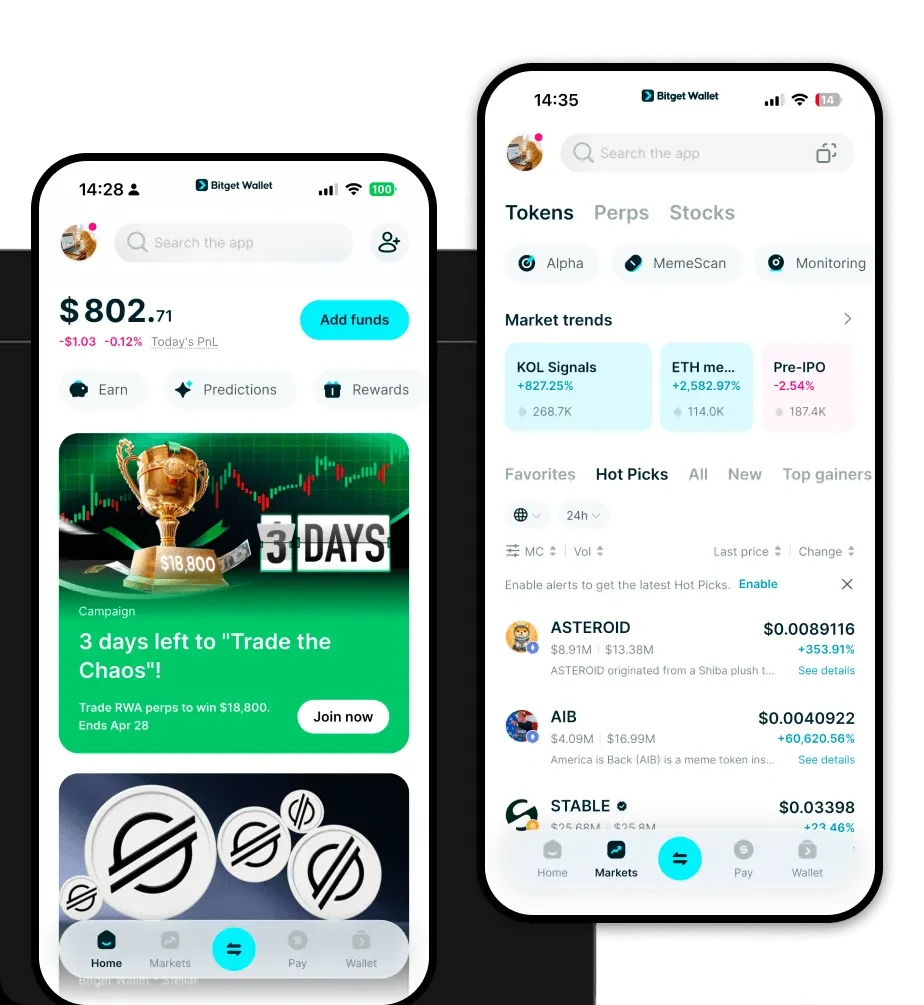
To get started, you need a robust interface that supports the complexities of omnichain assets. The Bitget stakestone wallet app provides a seamless experience for both beginners and advanced users. It is designed for full self-custody, meaning you retain complete control over your private keys and assets at all times.
Whether you prefer mobile or desktop, the wallet is available across iOS, Android, and as a browser extension, making it the best wallet for stakestone users who need flexibility. You can download Bitget Wallet to access a unified interface that supports over 130 public chains, ensuring your STONE tokens are always accessible regardless of the network they reside on.
Why Choose Bitget StakeStone Wallet?
Choosing the right wallet for an EVM-based DeFi protocol is critical for both security and capital efficiency. Bitget Wallet stands out for several technical and user-centric reasons:
- EVM Compatibility: As a protocol native to the EVM ecosystem, StakeStone requires a wallet that handles smart contract interactions flawlessly. Bitget Wallet provides native support for all EVM-compatible chains, ensuring smooth transactions.
- Gas Fee Optimization: The integrated smart gas fee engine helps you calculate and pay the most efficient fees, which is vital when performing complex DeFi operations.
- Advanced DApp Browser: You can directly access StakeStone-integrated protocols within the wallet's DApp browser, simplifying the process of yield farming and liquid staking without needing to switch platforms.
- 300 Million USD Protection Fund: Security is paramount in DeFi. Bitget Wallet is backed by a substantial user protection fund, providing an extra layer of confidence when storing high-value assets like STONE.
How to Create a StakeStone Wallet
- Install the Application: Visit the official website and download the official Bitget Wallet app for your specific device (iOS, Android, or Browser Extension).
- Create a New Wallet: Open the app and select 'Create Wallet'. Ensure you are in a private environment where no one can see your screen.
- Secure Your Mnemonic Phrase: You will be given a 12 or 24-word recovery phrase. Write this down on paper—never store it digitally—as this is the only way to recover your stakestone wallet address if you lose your device.
- Configure EVM Networks: Since StakeStone operates on EVM-compatible chains, ensure that Ethereum or the relevant Layer 2 networks (like Arbitrum or Optimism) are enabled in your wallet settings.
- Import or Deposit STONE: Once your wallet is ready, you can import your existing address or deposit STONE tokens directly into your newly generated address to start earning yields.
What Can You Do With a StakeStone Wallet?
Managing your assets goes beyond just holding tokens. With a stakestone wallet, you can engage in several sophisticated DeFi activities:
- Liquid Staking: You can use your wallet to lock assets into the StakeStone protocol to receive STONE, allowing you to earn staking rewards without locking up your liquidity.
- Yield Farming: By connecting your wallet to various decentralized exchanges and farming pools, you can deploy your STONE tokens to earn additional yield on top of your native staking rewards.
- Providing Liquidity: Your wallet allows you to deposit STONE into liquidity pools on various DEXs, helping you earn trading fees while supporting the ecosystem.
- Cross-chain Asset Transfer: Leveraging the wallet's cross-chain capabilities, you can move your assets across different EVM chains, ensuring your STONE is always where the best opportunities are.
- Collateral for Lending: You can use your yield-bearing STONE tokens as collateral in lending protocols, allowing you to borrow other assets while continuing to earn staking rewards.
How StakeStone Wallets Are Different from Other Crypto Wallets
Unlike simple wallets designed for basic transfers, a wallet optimized for StakeStone is built to handle the demands of the EVM account model. Because StakeStone relies heavily on smart contracts, your wallet must be able to execute complex transaction calls efficiently. While UTXO-based wallets (like those for Bitcoin) focus on transaction inputs and outputs, an EVM-centric wallet like Bitget focuses on state changes and contract interactions. This means you get a more interactive experience where you can monitor your yield positions in real-time. Furthermore, the wallet's ability to manage gas fees intelligently ensures that you aren't overpaying during high-traffic periods in the DeFi ecosystem, providing superior capital efficiency compared to generic wallets that lack advanced gas estimation tools.
