





What is a USDCET Wallet?
A USDCET wallet is a digital interface designed to interact with the Ethereum Classic (ETC) blockchain specifically to hold, send, and receive USDCET. USDCET (USDC on Ethereum Classic) is a bridged or wrapped version of the USD Coin (USDC) stablecoin, designed to facilitate liquidity and stable asset transfers within the Ethereum Classic (ETC) ecosystem, allowing users to leverage decentralized financial services on the ETC chain. Because it operates on the ETC network, your wallet must be compatible with Ethereum Classic's unique architecture, ensuring you can manage your bridged assets without friction.
Download Bitget USDCET Wallet
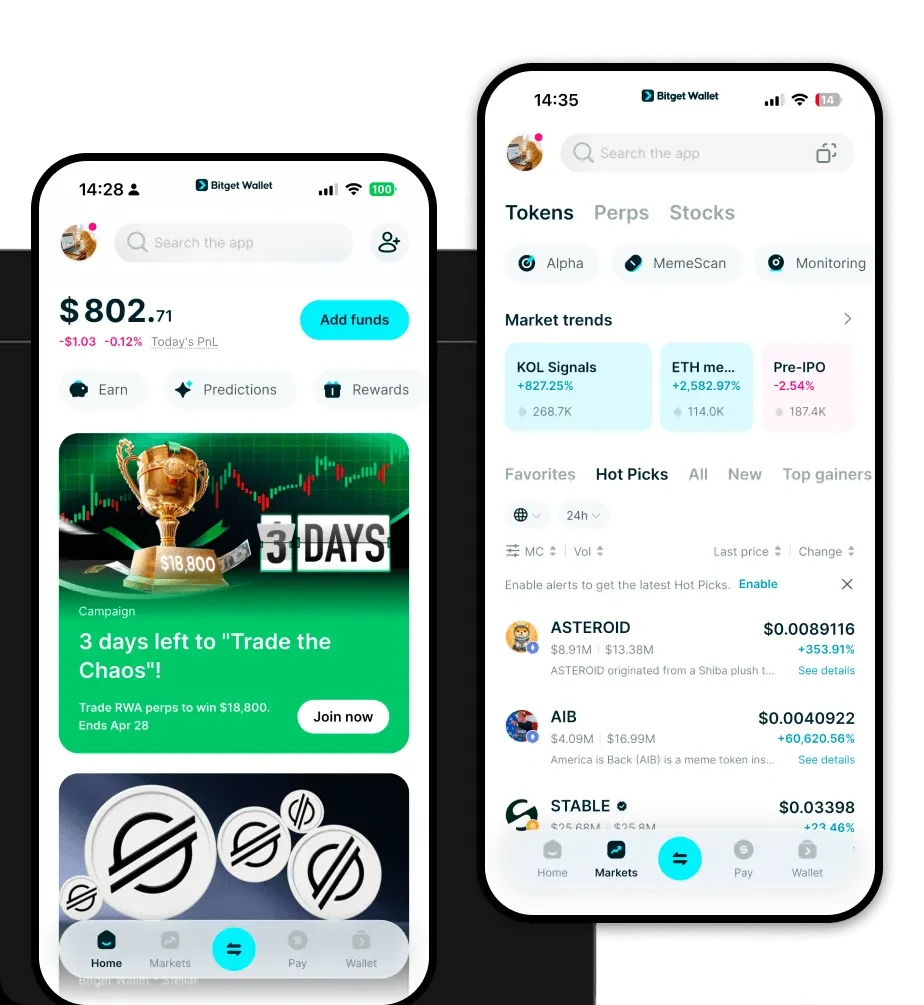
If you are looking for a reliable way to manage your assets, Bitget Wallet stands out as a premier non-custodial solution. It offers true self-custody, meaning you are the sole controller of your private keys, providing you with full sovereignty over your crypto portfolio. Whether you are using an iPhone, an Android device, or a desktop browser, Bitget Wallet provides a seamless experience across all platforms. With support for over 130 public chains, it acts as a unified hub for all your multi-chain needs. To get started, you can download Bitget Wallet and experience a secure, user-friendly interface designed for both beginners and advanced users.
Why Choose Bitget USDCET Wallet?
- Ethereum Classic Compatibility: Unlike many generic wallets that struggle with legacy chains, Bitget Wallet is optimized for the ETC network, ensuring your USDCET transactions are processed smoothly.
- Pegged Asset Stability: The wallet interface provides real-time tracking of stablecoin values, allowing you to monitor your USDCET holdings against their USD peg with precision.
- Immutable Ledger Security: Benefiting from the robust nature of the ETC blockchain, Bitget Wallet adds an extra layer of protection with its $300 million user protection fund, keeping your assets shielded.
- Cross-Chain Interoperability: Easily swap your USDCET for other assets across different chains, thanks to Bitget Wallet’s built-in DEX aggregator and bridge technology.
How to Create a USDCET Wallet
Setting up your wallet is a straightforward process designed to get you into the ecosystem in minutes:
- Download and Install: Visit the official website or your app store to download Bitget Wallet on your preferred device.
- Create a New Wallet: Launch the app and select 'Create a Wallet.' You will be prompted to set a strong password to secure your local access.
- Backup Your Seed Phrase: This is the most critical step. Write down your mnemonic phrase and store it in a secure, offline location. Never share this with anyone.
- Add the ETC Network: While Bitget Wallet supports many chains by default, ensure the Ethereum Classic network is enabled in your asset list so that your USDCET tokens are visible.
- Receive USDCET: Click on your wallet address, copy it, and use it to receive USDCET from exchanges or other external wallets.
What Can You Do With a USDCET Wallet?
Owning a USDCET wallet opens up several financial opportunities within the ETC ecosystem:
- Trading on Decentralized Exchanges: Use your wallet to connect to ETC-based DEXs, where you can swap USDCET for other tokens without needing a centralized intermediary.
- Providing Liquidity in Pools: By depositing your USDCET into liquidity pools, you can earn yield or transaction fees, effectively putting your stable assets to work.
- Cross-Chain Asset Transfer: Utilize your wallet to bridge assets, moving liquidity between ETC and other supported chains to maximize your capital efficiency.
- Payments and Settlements: Leverage the stability of USDCET to make direct payments or settle debts within decentralized applications (DApps) that support the ETC network.
How USDCET Wallets Are Different from Other Crypto Wallets
Managing assets on the Ethereum Classic network requires a specific type of wallet compared to modern high-speed chains like Solana or standard EVM chains. While Solana wallets focus on high-throughput performance and low-latency NFT minting, a USDCET wallet must prioritize the specific account model used by Ethereum Classic. Unlike UTXO-based chains (like Bitcoin), which require tracking specific transaction outputs, the ETC model uses an account-based system, making it more intuitive for users familiar with Ethereum. Furthermore, because ETC maintains a distinct approach to consensus and gas fees compared to newer Layer 2 solutions, your wallet needs to accurately estimate and handle ETC-specific gas costs to ensure your transactions are confirmed reliably without overpaying.
