





¿Qué es una billetera teslatonic?
Una billetera teslatonic es una interfaz digital diseñada para interactuar con la red blockchain donde reside el token teslatonic. Dado que teslatonic opera dentro del ecosistema EVM (Ethereum Virtual Machine), requiere una billetera capaz de admitir los estándares ERC-20 o arquitecturas de tokens similares compatibles con EVM. Esto significa que su billetera actúa como una puerta de enlace a su dirección blockchain, permitiéndole administrar claves públicas y privadas, ver sus saldos de tokens y firmar transacciones en la red.
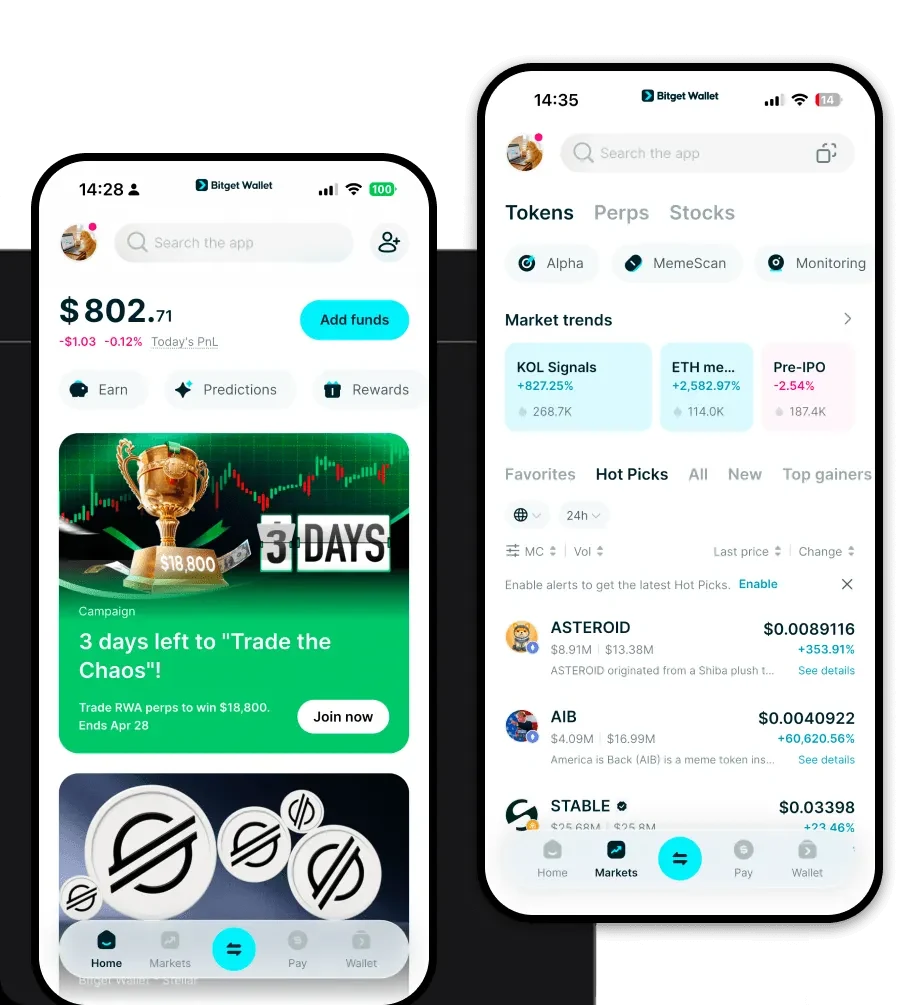
¿Busca una billetera cripto confiable y segura para su teslatonic? Bitget Wallet será su mejor opción. Con la confianza de 40 millones de usuarios, puede explorar Web3 libremente en Bitget Wallet. ¡Comience su viaje ahora! Debido a que teslatonic es un token Meme impulsado por la comunidad, tener una billetera que proporcione datos en tiempo real, firma de transacciones de baja latencia e integración fluida con intercambios descentralizados es crucial para navegar la alta volatilidad asociada con esta clase de activos.
Descargar Bitget Wallet para teslatonic
Para comenzar a administrar sus tokens, necesita una aplicación robusta que cierre la brecha entre los complejos protocolos blockchain y una experiencia fácil de usar. Puede descargar Bitget Wallet para comenzar. La plataforma ofrece un conjunto completo de herramientas, que incluye soporte multicadena que le permite administrar teslatonic junto con activos en otras redes importantes. Ya sea que prefiera el acceso móvil a través de iOS y Android o una extensión de navegador de escritorio para interactuar con DApps, la aplicación garantiza que sus claves privadas permanezcan bajo su control exclusivo a través de un modelo de autocustodia. Esto significa que usted es el único con acceso a sus fondos, lo que proporciona una capa de independencia esencial para los participantes cripto modernos.
¿Por qué elegir Bitget Wallet para teslatonic?
Al tratar con tokens Meme como teslatonic, las herramientas que utiliza pueden afectar significativamente su eficiencia y seguridad. Bitget Wallet está optimizada para el entorno EVM, ofreciendo varias ventajas distintas:
- Compatibilidad EVM fluida: Como billetera nativa de EVM, le permite importar fácilmente sus direcciones existentes desde plataformas como MetaMask o Trust Wallet, asegurando que no tenga que migrar sus activos manualmente.
- Protocolos de seguridad avanzados: Con un fondo de protección al usuario dedicado de 300 millones de USD, Bitget Wallet proporciona una red de seguridad que es rara en el espacio de autocustodia, protegiéndolo de posibles vulnerabilidades del protocolo.
- Liquidez de DEX agregada: Debido a que teslatonic es un proyecto impulsado por la comunidad, encontrar el mejor precio es clave. La billetera agrega liquidez de cientos de DEX y puentes entre cadenas, asegurando que obtenga la mejor ejecución para sus operaciones.
- Datos de mercado en tiempo real: La billetera proporciona herramientas de análisis de mercado integradas, lo que le permite monitorear la alta volatilidad de los tokens Meme sin necesidad de cambiar entre múltiples pestañas del navegador.
- Baja barrera de entrada: La interfaz intuitiva está diseñada tanto para principiantes como para veteranos, lo que facilita la participación en tendencias de marketing viral o iniciativas comunitarias sin fricciones técnicas.
Cómo crear una billetera teslatonic
Configurar su billetera es un proceso sencillo diseñado para prepararlo para la blockchain en minutos. Siga estos cinco pasos:
- Instalar la aplicación: Descargue la aplicación oficial de Bitget Wallet desde el sitio web verificado o su tienda de aplicaciones correspondiente.
- Crear o importar: Abra la aplicación y elija 'Crear una nueva billetera' para generar un nuevo conjunto de claves, o 'Importar' si ya tiene una frase semilla de otra billetera compatible con EVM.
- Asegure su frase de recuperación: Este es el paso más crítico. Escriba su frase de recuperación de 12 o 24 palabras en papel y guárdela en un lugar seguro y fuera de línea. Nunca la comparta con nadie.
- Agregar el token teslatonic: Navegue a la sección de gestión de activos, haga clic en el icono '+' y busque 'teslatonic' o ingrese la dirección del contrato específica para agregar el token a su vista principal.
- Fondear y conectar: Deposite la moneda nativa de la cadena (como ETH o BNB) para cubrir las tarifas de gas, y estará listo para comenzar a interactuar con el ecosistema.
¿Qué puede hacer con una billetera teslatonic?
Una billetera teslatonic es más que un simple contenedor de almacenamiento; es una herramienta para la participación activa en la economía cripto. Aquí le explicamos cómo puede utilizarla:
- Trading: Puede ejecutar swaps rápidos en intercambios descentralizados directamente dentro de la aplicación, lo que le permite reaccionar rápidamente a los movimientos del mercado.
- Inversión especulativa: La billetera le permite realizar un seguimiento del rendimiento de sus tenencias en tiempo real, lo cual es esencial para gestionar activos caracterizados por una alta volatilidad.
- Participación comunitaria: Puede utilizar la dirección de su billetera para conectarse a DApps impulsadas por la comunidad, lo que le permite participar en la gobernanza o en eventos liderados por la comunidad.
- Holding para apreciación: La naturaleza segura de autocustodia de la billetera la convierte en un lugar ideal para mantener sus tokens teslatonic a largo plazo, asegurando que estén protegidos de los riesgos relacionados con los exchanges.
- Propinas sociales: Puede enviar fácilmente pequeñas cantidades de teslatonic a otros miembros de la comunidad o creadores de contenido, facilitando las propinas sociales y la interacción entre pares dentro del ecosistema Meme.
¿En qué se diferencian las billeteras teslatonic de otras billeteras cripto?
Comprender las diferencias arquitectónicas es vital para gestionar sus activos de manera efectiva. A diferencia de las billeteras diseñadas para cadenas basadas en UTXO (como Bitcoin), donde usted gestiona los resultados de transacciones no gastados, una billetera teslatonic para el ecosistema EVM utiliza un modelo basado en 'Cuentas'. En este modelo, su billetera rastrea un saldo asociado con una dirección específica, lo que simplifica el proceso de interacción con contratos inteligentes y protocolos DeFi.
Además, debido a que teslatonic es un token EVM, sus transacciones están sujetas a tarifas de gas denominadas en el token nativo de la cadena (como ETH o BNB). Bitget Wallet optimiza esto proporcionando una estimación inteligente de las tarifas de gas, ayudándole a evitar pagar de más durante períodos de alta congestión de la red. Esto contrasta con las cadenas de modelo de recursos (como EOS), donde es posible que deba hacer staking de tokens para comprar recursos de CPU o RAM; en el entorno EVM, simplemente necesita asegurarse de que su billetera tenga suficiente moneda nativa para cubrir los costos de transacción, lo que lo convierte en un punto de entrada más accesible para los nuevos usuarios.
