


OpenAI IPO: A Complete Guide to Investor Access and Pre-IPO Opportunities

OpenAI IPO is quickly becoming one of the most talked-about listings that may or may not happen, but either way, investors are already circling like sharks. There’s no official date yet, but the buzz got real after that massive $122 billion funding round and a jaw-dropping $852 billion valuation. That kind of money signals serious confidence in OpenAI’s long game—and it’s got everyone asking how to get in early.
The company’s momentum just keeps building: huge scale, surging demand, more and more investors trying to sneak in through whatever back channels exist. Sure, OpenAI is still private, and direct access is tough to come by. But cracks are starting to show—new paths are slowly opening up.
In this article, we’ll explore the OpenAI IPO outlook, investor access options, pre-IPO opportunities, key risks, and practical ways investors can position themselves ahead of any future listing.
Key Takeaways
- OpenAI IPO refers to a potential plan for OpenAI to go public, allowing investors to buy shares on stock exchanges.
- Although OpenAI is not publicly listed yet, investors can still gain indirect exposure through ETFs, partner stocks, or selective pre-IPO channels.
- Accessing OpenAI before an IPO depends on factors such as capital, investor eligibility, and risk tolerance, rather than simply using a standard brokerage account.
OpenAI IPO: Can You Buy Shares Today?
OpenAI is still a private company, so its shares are not available on public exchanges. Investors cannot buy OpenAI stock through standard brokerage accounts today, because the company does not have a public ticker and has not completed an IPO. Access remains limited to institutions, accredited investors, insiders, and select structured channels.
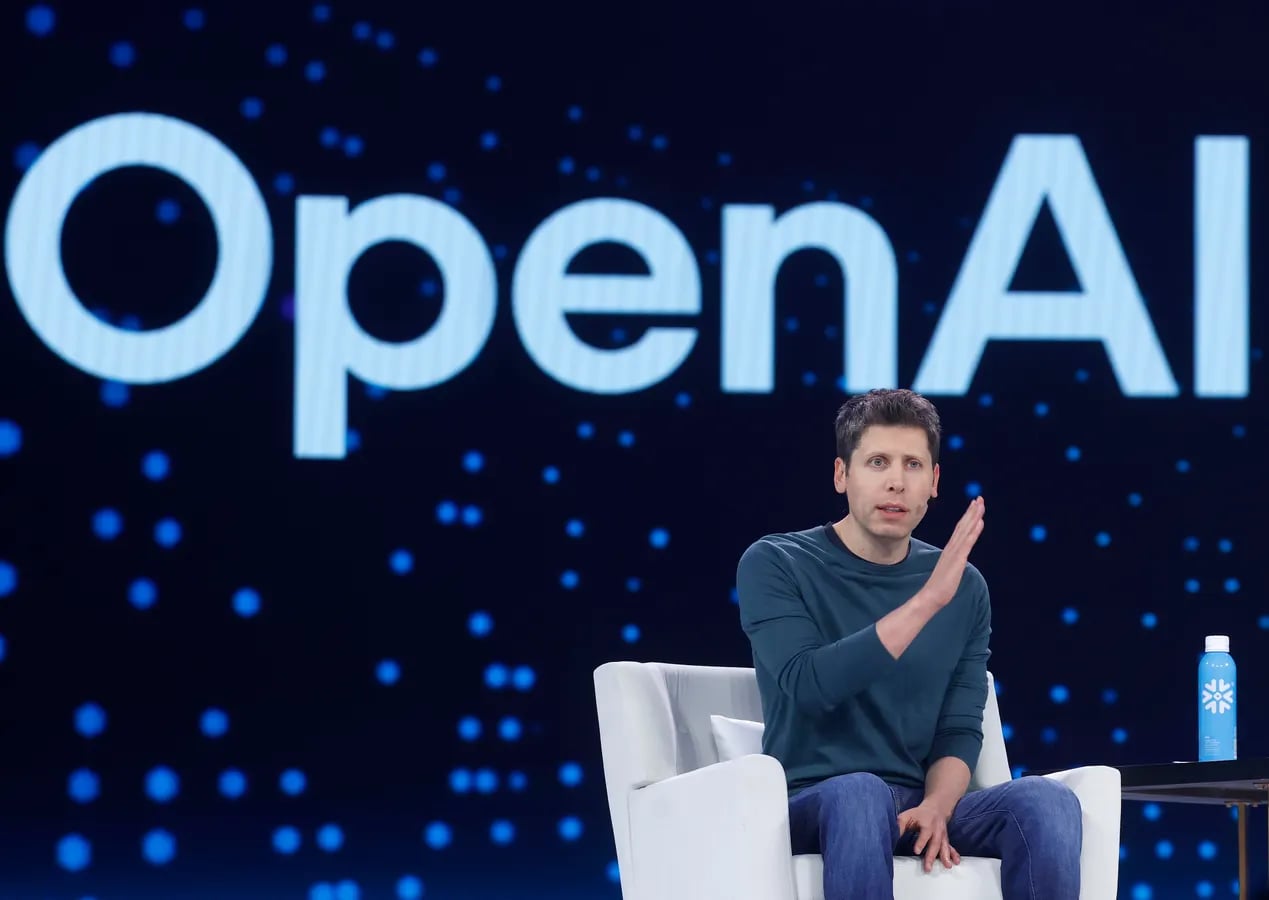
Souurce: forbes.com
Who Can Invest in OpenAI Before the IPO?
Before any OpenAI IPO, only institutions, accredited investors, insiders, and select individuals via bank channels can invest. Institutions dominate funding rounds, accredited investors may access shares through secondary markets, and employees hold equity, while broader retail access is still not available.
| Investor Type | Access Level | How They Invest |
| Institutions | Full | Direct funding rounds |
| Accredited investors | Limited | Secondary markets |
| Employees / insiders | Direct | Equity ownership |
| Bank-channel investors | Selective | Structured access |
| Retail investors | None | Indirect only |
Why Can’t Retail Investors Buy OpenAI Stock Yet?
Retail investors cannot buy OpenAI stock yet because OpenAI IPO has not happened and the company is not publicly listed on an exchange. That means there is no public market where ordinary investors can place a buy order through a broker.
- No IPO filing: No public listing means no open exchange trading yet.
- Private ownership: Shares are still held through private-company structures by insiders and early backers.
- Accredited investor rules: Many pre-IPO routes are restricted to investors who meet wealth or income thresholds.
As a result, there is still no direct access through standard stock apps or traditional brokers for most retail investors today.
How to Invest in OpenAI Before the IPO?
While the OpenAI IPO has not happened yet, investors can still gain exposure through several indirect and pre-IPO pathways. These include ETFs, partner stocks, private secondary markets, and structured investment channels. Each option offers a different balance of accessibility, ownership, and risk, depending on investor eligibility and capital.
| Access Method | What It Means | Ease | Ownership | Risk | Best For |
| ETFs (ARK Invest) | Funds holding OpenAI exposure | Easy | ❌ Indirect | Medium | Retail |
| Partner stocks | Invest in companies tied to OpenAI | Easy | ❌ Indirect | Medium | Retail |
| Secondary markets | Buy private shares from holders | Hard | ✅ Direct | High | Accredited |
| Bank channel access | Structured allocation via banks | Limited | Partial | Medium–High | Select |
| Tokenized / fractional | Digital or fractional exposure | Emerging | Partial | High | Advanced |

Source: yahoo.com
1. ETF Exposure Through ARK Invest Funds
ETF exposure means buying publicly traded funds that hold OpenAI exposure as part of a larger portfolio. Investopedia reported that OpenAI is joining three ARK Invest ETFs—ARKK, ARKW, and ARKF—giving everyday investors a brokerage-based path to indirect exposure.
To participate, investors can follow these steps:
- Step 1: Open a brokerage account.
- Step 2: Search for ARK ETFs such as ARKK, ARKW, or ARKF.
- Step 3: Buy ETF shares the same way you would buy any listed stock.
- Step 4: Hold them as part of a diversified portfolio.
This is the easiest route for retail investors, but it does not provide direct ownership of OpenAI shares. Performance will depend on the ETF’s overall holdings and weighting, not just OpenAI alone.
2. Indirect Exposure via Strategic Partner Stocks
Indirect exposure means buying shares of public companies with strong financial or operating ties to OpenAI. This usually includes firms connected through cloud infrastructure, chips, funding, or enterprise distribution. OpenAI said its latest round was anchored by Amazon, NVIDIA, and SoftBank, with continued participation from Microsoft.
Investors can approach this route in steps:
- Step 1: Open a brokerage account.
- Step 2: Research partner stocks such as Microsoft, NVIDIA, or Amazon.
- Step 3: Buy shares based on your view of their broader business and OpenAI connection.
- Step 4: Hold them as a proxy strategy rather than direct OpenAI ownership.
This route is more liquid and easier than pre-IPO private investing, but OpenAI is only one part of these companies’ total business performance.
3. Secondary Market Access to Pre-IPO Shares
Secondary markets let investors buy private-company shares from existing holders such as employees or early investors before an IPO. EquityZen says accredited investors can buy pre-IPO stock in companies like OpenAI through funds built from shares sold by existing shareholders. Forge also positions itself as a marketplace for buying and selling private-company shares.
A typical process looks like this:
- Step 1: Qualify as an accredited investor.
- Step 2: Register on a platform such as Forge or EquityZen.
- Step 3: Complete identity and financial verification.
- Step 4: Review any available OpenAI-related deals.
- Step 5: Commit capital through a fund or structured transaction.
This is the clearest path to actual pre-IPO share exposure, but it comes with low liquidity, higher minimums, and pricing that may not match any future IPO valuation.
4. Bank Channel Participation and Private Placement Access
Bank-channel access refers to private investment opportunities distributed through financial institutions rather than open public markets. OpenAI said it extended participation through bank channels for the first time and raised more than $3 billion from individual investors through that route.
Investors who want this route generally need to:
- Step 1: Work with a private bank, wealth manager, or qualified advisor.
- Step 2: Receive access to a bank-led private placement or structured allocation.
- Step 3: Review deal terms, restrictions, and eligibility.
- Step 4: Invest through the bank-arranged structure.
This expands access beyond classic venture-capital circles, but it remains selective rather than fully open to retail investors.
5. Emerging Tokenized and Fractional Investment Models
Tokenized or fractional models aim to break private-market exposure into smaller or digital units. In theory, this could make otherwise hard-to-access assets easier to reach. In practice, the OpenAI-specific routes here remain emerging and far less established than ETFs, partner stocks, or verified private markets. That makes them more speculative. This is an inference based on the stronger evidence for ETFs, secondary markets, and bank channels, alongside the lack of equally established public documentation for tokenized OpenAI access.
A cautious process would be:
- Step 1: Review whether the platform offers regulated tokenized or fractional access.
- Step 2: Check the legal structure behind the product.
- Step 3: Connect a wallet or brokerage only after verification.
- Step 4: Limit position size due to platform and regulatory risk.
What is OpenAI IPO?
OpenAI IPO refers to a potential public listing that would make OpenAI shares available on stock exchanges. The company has not announced an official IPO date, but expectations have risen after its $122 billion funding round and $852 billion valuation.
Source: businesstoday.com.my
Why Is OpenAI IPO Getting Attention?
OpenAI IPO is getting attention because the company now sits at the center of one of the largest private-market capital raises in recent history. The size of the funding round, the valuation, and the expansion of investor participation all suggest growing market demand for future access, even though no listing has been confirmed.
| Metric | Latest Figure | Why It Matters |
| Funding round | $122B | Shows strong capital-market demand |
| Post-money valuation | $852B | Sets a very high benchmark |
| Individual investor participation | $3B+ | Signals broader investor inclusion |
Is OpenAI Going Public in 2026?
OpenAI IPO could happen in 2026, but there is still no official filing or confirmed date in the sources reviewed here. Some coverage frames the company as moving closer to an IPO, but that remains market expectation rather than formal confirmation. Investors should separate anticipation from actual listing status.
How Will You Be Able to Buy OpenAI After the IPO?
Once OpenAI completes an IPO, investors will be able to buy its stock through standard brokerage accounts. However, IPO allocations are often limited, and many investors end up buying shares only after public trading begins. That makes post-listing access more realistic than receiving an initial allocation.
Step-by-Step: How to Buy OpenAI Shares After the IPO
- Step 1: Open a brokerage account Choose a licensed trading platform that supports stock investing and potential IPO access. Complete:
- Account setup
- Identity verification
- Fund your account in advance
- Step 2: Check IPO participation availability Review whether your platform offers IPO participation and check eligibility requirements based on your account type or location.
- Step 3: Request IPO allocation If IPO access is available, submit your interest before the deadline. Allocation is not guaranteed, as shares are often prioritized for institutional investors and high-demand participants.
- Step 4: Buy shares after listing If you do not receive IPO shares, you can purchase OpenAI stock once it starts trading publicly. Be prepared for price volatility during the early trading period after the OpenAI IPO.
In most IPOs, institutions receive priority, while retail investors often buy after listing and face early volatility. That is why timing, discipline, and position sizing matter after any future OpenAI IPO.
What Are the Risks of Investing in OpenAI IPO?
OpenAI may be one of the strongest AI growth stories in the market, but investors still face serious risks. These include valuation risk, uncertain future governance, limited access before any listing, and the possibility that indirect routes fail to track OpenAI’s eventual upside closely. OpenAI is also still private and not yet openly price-discovered in public markets.
| Risk Type | Key Impact |
| Valuation risk | Much future growth may already be priced into expectations |
| Profitability risk | Scale is large, but public financial visibility remains limited |
| Access risk | Retail investors still have restricted direct access |
| Governance risk | Future public-share structure is still unclear |
| Tracking risk | ETFs and partner stocks do not equal direct ownership |
How Can You Use Bitget Wallet to Explore Pre-IPO Opportunities?
Bitget Wallet is more than just a storage tool—it enables investors to take action while waiting for the OpenAI IPO. Since direct access to OpenAI shares remains limited, users can leverage Bitget Wallet to manage capital, access on-chain opportunities, and stay flexible across emerging investment channels related to AI and tokenized assets.

Bitget Wallet: How to Take Action Before the OpenAI IPO?
While you cannot directly buy OpenAI shares before the IPO, Bitget Wallet helps you stay active in the market instead of waiting passively. It acts as an execution layer, allowing you to manage assets, move capital across chains, and participate in alternative investment opportunities tied to the broader AI trend.
In practice, you can use Bitget Wallet to:
- Flexible capital allocation: Easily move and allocate assets across multiple chains and asset types.
- Instant swap and investment: Execute trades and investments quickly without relying on centralized platforms.
- Access new opportunities: Explore tokenized assets and early-stage projects within the AI and Web3 ecosystem.
- Stay ready to act: Maintain liquidity and react quickly as new opportunities related to the OpenAI IPO emerge.
Instead of staying on the sidelines, download Bitget Wallet now to stay in control, remain liquid, and be ready to act on OpenAI IPO opportunities.
Conclusion
OpenAI IPO is still the talk of the town—probably the most hyped investment event in years, even though nothing’s official yet. People are already lining up, mostly thanks to the AI boom and all that private capital floating around. Sure, regular retail investors can’t just buy shares outright, but new backdoors are starting to open up: ETFs, partner companies, structured plays, and a few selective pre-IPO windows. If you’re thinking ahead, the real move isn’t waiting for the big listing day—it’s getting positioned early, playing the timing-liquidity-risk game right, and staying one step ahead.
To actually catch these shifting opportunities, you need the right setup. That’s where Bitget Wallet comes in. It gives you full control over your assets, real-time on-chain intel, and smooth cross-market access—so you can stay nimble, track what’s trending, and be ready when the next chapter of the OpenAI IPO story unfolds.
Download Bitget Wallet now to stay ahead of the OpenAI IPO and explore new investment opportunities with full control!
Sign up Bitget Wallet now - grab your $2 bonus!
FAQs
1. What is OpenAI IPO?
OpenAI IPO is a potential public listing that would allow investors to buy OpenAI shares on stock exchanges.
2. How to Invest in OpenAI Before the IPO?
Investors can invest in OpenAI Before the IPO through ARK Invest ETFs, partner stocks such as Microsoft or NVIDIA, accredited-only secondary markets, and select bank-channel private placements.
3. What are the risks of investing in OpenAI IPO?
The main risks of investing in OpenAI IPO include high valuation expectations, uncertain listing timing, limited direct access, unclear future governance structure, and the fact that indirect vehicles may not track OpenAI’s eventual performance closely.
Risk Disclosure
Please be aware that cryptocurrency trading involves high market risk. Bitget Wallet is not responsible for any trading losses incurred. Always perform your own research and trade responsibly.
 What Is a Crypto Wallet Address? Examples and How to Find It2026-08-12 | 3 mins
- What Is a Cold Wallet? A Beginner's Guide to Offline Crypto Storage2026-09-25 | 3 mins
- Fintech Wallets vs. Crypto Wallets: What’s the Difference? (2026 Guide)2026-07-24 | 5 mins



