





1. Was ist eine Kawai-Wallet?
Eine Kawai-Wallet ist eine spezialisierte digitale Schnittstelle, die entwickelt wurde, um Ihnen bei der Interaktion mit dem Kawai-Token-Ökosystem auf der Kawai-Blockchain zu helfen. Im Gegensatz zum traditionellen Bankwesen, bei dem ein Dritter Ihr Vermögen verwaltet, gibt Ihnen eine Krypto-Wallet die direkte Kontrolle über Ihre Assets. Kawai basiert auf der Kawai-Blockchain, einem hochleistungsfähigen Netzwerk, das für seine Skalierbarkeit und niedrigen Transaktionskosten bekannt ist. Durch die Nutzung einer dedizierten Wallet halten Sie nicht nur Token; Sie interagieren mit Smart Contracts, dezentralen Anwendungen (dApps) und der breiteren On-Chain-Ökonomie. Da sich Kawai ständig weiterentwickelt, ist eine sichere, nicht-verwahrende (Non-Custodial) Wallet das unverzichtbare Tor zur Teilnahme an seinem einzigartigen Wirtschaftsmodell und den gemeinschaftsorientierten Initiativen.
2. Bitget Kawai-Wallet herunterladen
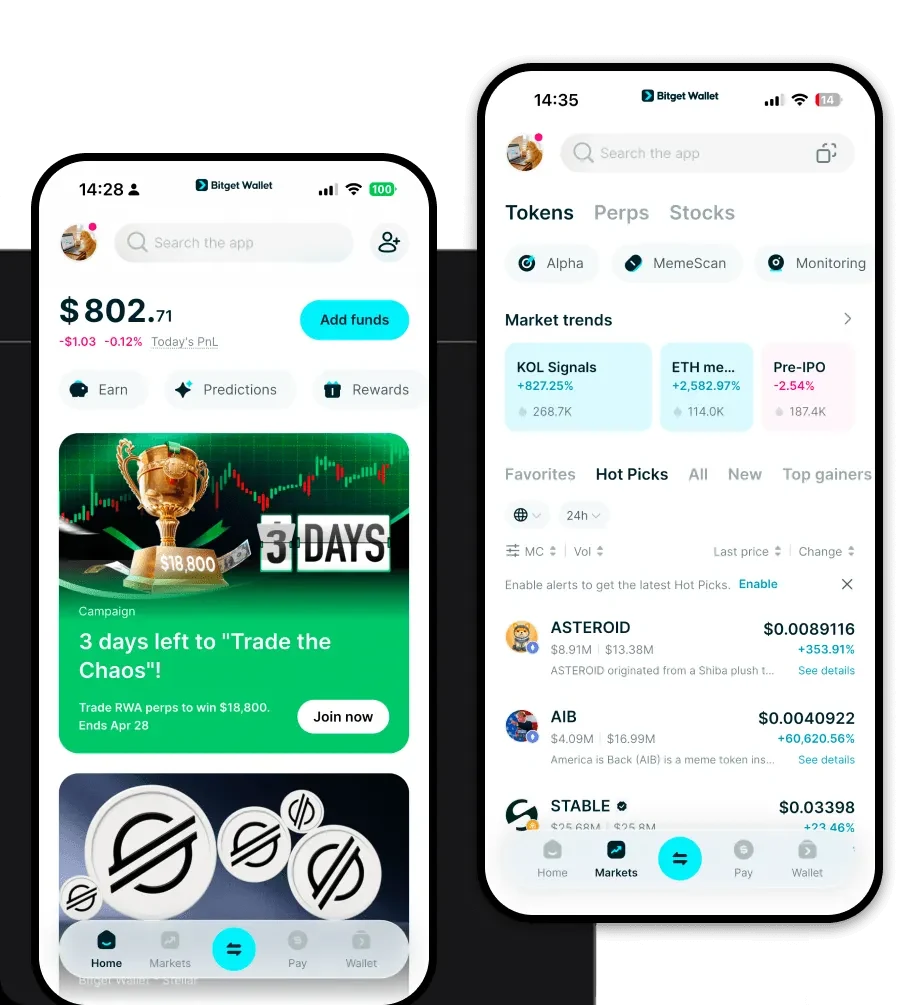
Die Verwaltung Ihrer digitalen Assets erfordert ein Tool, das Sicherheit mit Benutzerfreundlichkeit in Einklang bringt. Die Bitget Wallet zeichnet sich als erste Wahl für Kawai-Enthusiasten aus, da sie eine benutzerfreundliche Oberfläche mit erweiterten Funktionen kombiniert. Egal, ob Sie ein Neuling oder ein erfahrener Trader sind, Sie benötigen eine Wallet, die Ihre spezifischen Netzwerkanforderungen unterstützt, ohne Ihre privaten Schlüssel zu gefährden. Bitget Wallet bietet eine umfassende Lösung für iOS-, Android- und Browser-Erweiterungsnutzer und stellt sicher, dass Sie überall auf Ihre Gelder zugreifen können. Um zu beginnen, können Sie die Bitget Wallet heute herunterladen, um ein nahtloses Multi-Chain-Management und eine sichere Asset-Speicherung zu erleben.
3. Warum sollten Sie sich für die Bitget Kawai-Wallet entscheiden?
- Optimierung für Hochleistungsnetzwerke: Da Kawai auf eine schnelle Transaktionsverarbeitung angewiesen ist, ist die Bitget Wallet darauf optimiert, die spezifischen Durchsatzanforderungen des Netzwerks zu handhaben und sicherzustellen, dass Ihre Swaps und Transfers ohne Überlastung ausgeführt werden.
- Non-Custodial Sicherheit: Sie behalten das volle Eigentum an Ihren privaten Schlüsseln und Seed-Phrasen, was bedeutet, dass Ihre Kawai-Token On-Chain gespeichert sind und vollständig unter Ihrer Kontrolle stehen – frei von den Risiken, die mit zentralisierten Börsen verbunden sind.
- Aggregierter DeFi-Zugang: Bitget Wallet integriert Hunderte von DEXs und Cross-Chain-Bridges, sodass Sie direkt in der App die beste Liquidität und die günstigsten Kurse für den Kawai-Handel finden können.
- Robuster Vermögensschutz: Mit der Unterstützung eines 300-Millionen-Dollar-Nutzerschutzfonds bietet Bitget eine zusätzliche Sicherheitsebene, die Ihnen ein beruhigendes Gefühl gibt, während Sie die verschiedenen dApps innerhalb des Kawai-Ökosystems erkunden.
4. Wie erstelle ich eine Kawai-Wallet?
Die Einrichtung Ihrer Wallet ist ein unkomplizierter Prozess, der nur wenige Minuten dauert. Befolgen Sie diese Schritte, um zu beginnen:
- Herunterladen und Installieren: Besuchen Sie die offizielle Website oder Ihren App Store, um die Bitget Wallet-Anwendung für Ihr Gerät herunterzuladen.
- Eine neue Wallet erstellen: Öffnen Sie die App und wählen Sie „Wallet erstellen“. Sie werden aufgefordert, ein starkes, eindeutiges Passwort für die App festzulegen.
- Sichern Sie Ihre Seed-Phrase: Dies ist der wichtigste Schritt. Schreiben Sie Ihren 12-Wörter-Wiederherstellungsschlüssel auf Papier und bewahren Sie ihn an einem sicheren, offline Ort auf. Teilen Sie ihn niemals mit jemandem.
- Überprüfen Sie Ihr Backup: Die App fordert Sie auf, die Phrase erneut einzugeben, um sicherzustellen, dass Sie sie korrekt gespeichert haben.
- Kawai hinzufügen: Sobald Sie in der Wallet sind, verwenden Sie die Funktion „Token verwalten“, um nach Kawai zu suchen und es zu Ihrem Haupt-Dashboard hinzuzufügen. Ihre Wallet ist nun bereit, Gelder zu empfangen.
5. Was können Sie mit einer Kawai-Wallet tun?
- Am Yield Farming teilnehmen: Nutzen Sie Ihre Kawai-Token, um Liquidität in dezentralen Pools bereitzustellen, wodurch Sie passive Erträge basierend auf den aktuellen Zinssätzen der Plattform erzielen können.
- Cross-Chain-Swaps ausführen: Nutzen Sie die integrierte Bridge der Wallet, um Ihre Kawai-Token gegen Assets auf anderen unterstützten Chains zu tauschen, was eine flüssige Kapitalbewegung in der Krypto-Landschaft ermöglicht.
- An der Community-Governance teilnehmen: Wenn das Kawai-Ökosystem DAO-Abstimmungen unterstützt, können Sie Ihre Wallet verwenden, um Transaktionen zu signieren und Ihre Stimme direkt über die Schnittstelle bei Netzwerkvorschlägen abzugeben.
- Assets sammeln und handeln: Interagieren Sie mit dem NFT-Marktplatz, um einzigartige digitale Sammlerstücke, die nativ auf der Kawai-Blockchain basieren, zu prägen, zu kaufen oder zu verkaufen.
6. Wie unterscheiden sich Kawai-Wallets von anderen Krypto-Wallets?
Nicht alle Krypto-Wallets sind gleich aufgebaut, insbesondere wenn es um spezifische Blockchain-Architekturen wie Kawai geht. Im Gegensatz zu Wallets, die für das klassische Bitcoin (das ein UTXO-Modell verwendet, das eine spezifische Adressverwaltung erfordert) oder Standard-EVM-Chains (die auf Gas-Gebühren und kontobasierten Modellen basieren) entwickelt wurden, ist eine Kawai-Wallet auf das spezifische Ressourcenmanagement des Netzwerks zugeschnitten. Während EVM-basierte Wallets sich auf die Gas-Schätzung für Smart-Contract-Interaktionen konzentrieren, ist eine Kawai-Wallet für die einzigartige Transaktionsstruktur des Netzwerks optimiert, was sicherstellt, dass der Ressourcenverbrauch effizient und die Kosten vorhersehbar bleiben. Da Kawai zudem Hochgeschwindigkeitstransaktionen unterstützt, ist die Wallet-Schnittstelle darauf ausgelegt, Echtzeit-Updates und Bestätigungen mit geringer Latenz widerzuspiegeln, was ein flüssigeres Erlebnis bietet als die langsameren und anfälligeren Netzwerke älterer Blockchain-Generationen.
