



What is a flankton Wallet?
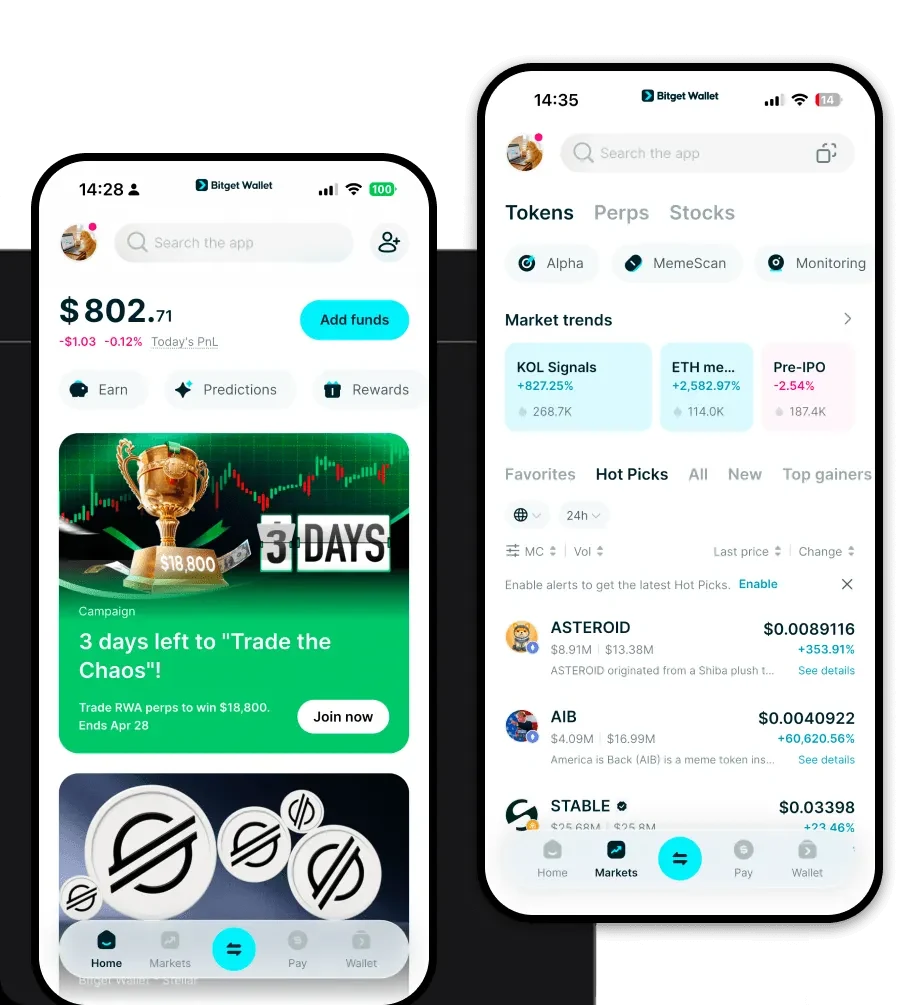
A flankton wallet is a specialized digital interface designed to interact with the flankton token, which operates on the EVM (Ethereum Virtual Machine) blockchain. Because flankton is built on EVM-compatible infrastructure, it requires a wallet that supports ERC-20 token standards and seamless interaction with decentralized applications. Are you looking for a reliable and secure crypto wallet for your flankton? Bitget Wallet will be your best choice. Trusted by 40 million users, you can freely explore Web3 on Bitget Wallet. Start your journey now!
Download Bitget flankton Wallet
Getting started with your flankton journey is straightforward with Bitget Wallet. As a non-custodial solution, it puts you in complete control of your private keys and assets, ensuring that you—and only you—have access to your holdings. Whether you prefer managing your portfolio on the go or from your desktop, Bitget Wallet offers a versatile experience. You can download Bitget Wallet across iOS, Android, and as a convenient browser extension. With native support for over 130 public chains, it provides a unified hub for managing your flankton alongside a vast array of other digital assets.
Why Choose Bitget flankton Wallet?
- EVM Ecosystem Compatibility: Since flankton runs on EVM chains, Bitget Wallet offers native support for seamless token approvals, gas fee management, and contract interactions without needing complex configurations.
- Advanced Market Analytics: Given that flankton is a community-driven meme token with high volatility, Bitget Wallet provides real-time market insights and trending data to help you track price movements effectively.
- Robust Security Architecture: With an integrated 300 million USD user protection fund, Bitget Wallet acts as a fortress for your assets, mitigating the risks associated with the high-volatility nature of meme coins.
- Social Sentiment Integration: Bitget Wallet's UI is optimized for fast-paced ecosystems, allowing you to react quickly to market shifts driven by social media sentiment.
How to Create a flankton Wallet
Setting up your wallet is a quick process that prioritizes your security:
- Download the app: Visit the official site to download Bitget Wallet for your mobile device or browser.
- Create or Import: Select 'Create a Wallet' to generate a new seed phrase. Always back up this phrase offline.
- Configure Network: Since flankton is an EVM token, ensure your wallet is set to the correct network (e.g., Ethereum or BNB Chain) where your tokens reside.
- Add Custom Token: If flankton doesn't appear automatically, navigate to the token list, select 'Add Token,' and paste the official flankton contract address.
- Secure Your Assets: Once added, your flankton wallet address is ready to receive and send tokens.
What Can You Do With a flankton Wallet?
Holding flankton is just the start. With Bitget Wallet, you can actively participate in the ecosystem:
- Speculative Trading: Utilize the built-in DEX aggregator to swap your tokens instantly, taking advantage of the high volatility inherent in meme coins.
- Liquidity Provision on DEXs: Connect your wallet to major decentralized exchanges to provide liquidity for flankton pairs, potentially earning fees from trade volume.
- Community Participation: Use your wallet to interact with governance platforms or claim airdrops exclusive to long-term holders.
- Hodling for Portfolio Diversification: Securely store your flankton as part of a diversified crypto strategy, keeping your assets safe in a self-custodial environment.
How flankton Wallets Are Different from Other Crypto Wallets
Unlike wallets designed for BTC or UTXO-based chains, a flankton wallet (EVM-based) operates on an account-based model. This means your wallet address tracks a balance rather than a collection of unspent transaction outputs. When dealing with meme tokens on the EVM, gas fees are a critical factor. Bitget Wallet optimizes these interactions, allowing you to adjust your gas settings dynamically to ensure your transactions go through even during periods of network congestion, a feature essential for high-volatility assets.
