


69/420 ওয়ালেট কী?
একটি 69/420 ওয়ালেট হলো এমন একটি ডিজিটাল ইন্টারফেস যা 69/420 টোকেন নিরাপদে সংরক্ষণ, পাঠানো এবং গ্রহণ করার জন্য ডিজাইন করা হয়েছে। 69/420 হলো একটি কমিউনিটি-চালিত মেম টোকেন যা ভাইরাল ইন্টারনেট সংস্কৃতিকে কাজে লাগায়। এটি প্রায়শই বিকেন্দ্রীভূত এক্সচেঞ্জগুলিতে ট্রেড করা হয় এবং Bitget Wallet-এর মতো প্রধান Web3 ওয়ালেট দ্বারা সমর্থিত, যা নিরাপদ স্টোরেজ এবং ব্যবস্থাপনার নিশ্চয়তা দেয়। যেহেতু 69/420 ইভিএম (Ethereum Virtual Machine) ব্লকচেইনে কাজ করে, তাই আপনার ওয়ালেটটিকে অবশ্যই ইভিএম স্ট্যান্ডার্ডের সাথে পুরোপুরি সামঞ্জস্যপূর্ণ হতে হবে যাতে এটি বিকেন্দ্রীভূত ফিন্যান্স প্রোটোকল এবং বিকেন্দ্রীভূত এক্সচেঞ্জ (DEXs)-এর সাথে নির্বিঘ্নে যোগাযোগ করতে পারে, যেখানে এই টোকেনটির মূল অবস্থান।
Bitget 69/420 ওয়ালেট ডাউনলোড করুন
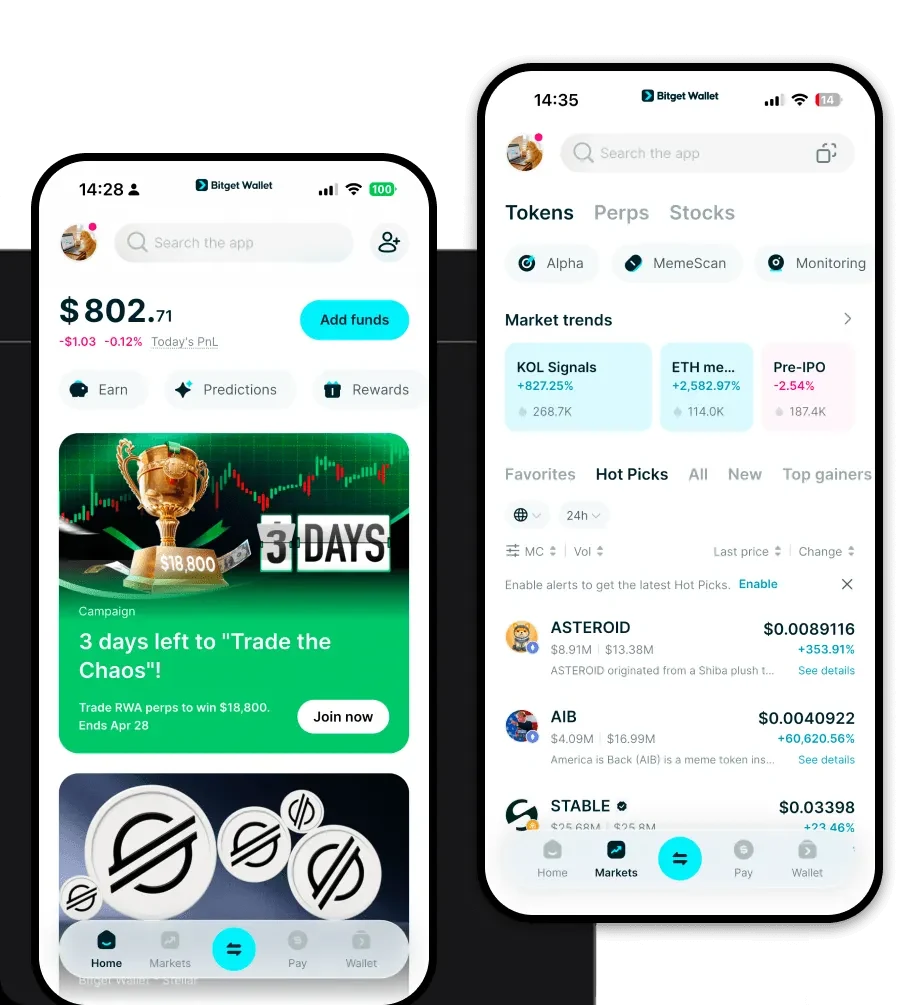
আপনার সম্পদ পরিচালনা শুরু করার জন্য, আপনার একটি শক্তিশালী এবং নন-কাস্টোডিয়াল সমাধানের প্রয়োজন। Bitget Wallet একটি সম্পূর্ণ এবং সেলফ-কাস্টোডিয়াল অভিজ্ঞতা প্রদান করে, যা আপনার প্রাইভেট কি-র উপর আপনাকে পূর্ণ নিয়ন্ত্রণ দেয়। আপনি মোবাইল ব্যবহারকারী হোন বা ডেস্কটপ ব্যবস্থাপনায় স্বাচ্ছন্দ্য বোধ করুন, আপনি iOS, Android বা ব্রাউজার এক্সটেনশন হিসেবে Bitget Wallet ডাউনলোড করতে পারেন। এই প্ল্যাটফর্মে নেটিভ মাল্টি-চেইন সাপোর্ট রয়েছে, যা নিশ্চিত করে যে আপনার 69/420 টোকেনগুলি বিস্তৃত ইভিএম ইকোসিস্টেমের অন্যান্য সম্পদের পাশাপাশি সহজে অ্যাক্সেসযোগ্য। একটি সেলফ-কাস্টোডিয়াল ওয়ালেট বেছে নেওয়ার মাধ্যমে, আপনি আপনার তহবিলের একমাত্র মালিক হিসেবে নিশ্চিত থাকেন এবং সেন্ট্রালাইজড এক্সচেঞ্জ কাস্টোডির ঝুঁকি থেকে মুক্ত থাকেন।
কেন Bitget 69/420 ওয়ালেট বেছে নেবেন?
- ইভিএম ইকোসিস্টেম ইন্টিগ্রেশন: একটি ইভিএম-নেটিভ সম্পদ হিসেবে, 69/420 ইথেরিয়াম-ভিত্তিক dApps-এর সাথে Bitget Wallet-এর গভীর ইন্টিগ্রেশনের সুবিধা পায়, যা নির্বিঘ্ন গ্যাস এস্টিমেশন এবং ট্রানজ্যাকশন অনুমোদনের সুযোগ দেয়।
- উন্নত DEX এগ্রিগেশন: Bitget Wallet শত শত বিকেন্দ্রীভূত এক্সচেঞ্জ থেকে লিকুইডিটি একত্রিত করে, যা নিশ্চিত করে যে 69/420 ট্রেড করার সময় আপনি সেরা সোয়াপ রেট পাচ্ছেন।
- শক্তিশালী নিরাপত্তা আর্কিটেকচার: $৩০০ মিলিয়ন সুরক্ষা তহবিলের সাথে, Bitget Wallet আপনার মেম টোকেন পোর্টফোলিওর জন্য অতিরিক্ত সুরক্ষা এবং মানসিক প্রশান্তি প্রদান করে।
- ব্যবহারকারী-বান্ধব ইন্টারফেস: নতুন এবং অভিজ্ঞ ব্যবহারকারী উভয়ের জন্যই ডিজাইন করা, এই অ্যাপটি জটিল DeFi ইন্টারঅ্যাকশনগুলোকে সাধারণ ট্রানজ্যাকশন পাঠানোর মতোই সহজ করে তুলেছে।
কিভাবে একটি 69/420 ওয়ালেট তৈরি করবেন
১. ডাউনলোড এবং ইনস্টল করুন: অফিসিয়াল ওয়েবসাইটে যান অথবা আপনার অ্যাপ স্টোরে গিয়ে Bitget Wallet ডাউনলোড করুন এবং আপনার পছন্দের ডিভাইসে ইনস্টল করুন।
২. নতুন ওয়ালেট তৈরি করুন: অ্যাপটি খুলুন, 'Create Wallet' নির্বাচন করুন এবং আপনার ইউনিক সিড ফ্রেজ (seed phrase) জেনারেট করার জন্য নির্দেশাবলী অনুসরণ করুন।
৩. আপনার সিড ফ্রেজ সুরক্ষিত রাখুন: আপনার রিকভারি ফ্রেজটি অফলাইনে কোনো ভৌত স্থানে ব্যাকআপ রাখুন। এটি কারো সাথে শেয়ার করবেন না, কারণ এটি আপনার 69/420 সম্পদের মাস্টার কি।
৪. পাসওয়ার্ড সেট করুন: ডিভাইসের নিরাপত্তার অতিরিক্ত স্তর হিসেবে অ্যাপটির জন্য একটি শক্তিশালী এবং অনন্য পাসকোড তৈরি করুন।
৫. 69/420 টোকেন যোগ করুন: টোকেন সার্চ ফাংশন ব্যবহার করুন অথবা ম্যানুয়ালি কাস্টম কন্ট্রাক্ট অ্যাড্রেস যোগ করুন যাতে আপনার ড্যাশবোর্ডে 69/420 ব্যালেন্স দৃশ্যমান হয়।
69/420 ওয়ালেট দিয়ে আপনি কী করতে পারেন?
অনুমানমূলক ট্রেডিং (Speculative Trading): আপনি মার্কেটের অস্থিরতাকে কাজে লাগাতে সরাসরি ওয়ালেট ইন্টারফেসের ভেতর একত্রিত DEX-গুলিতে সক্রিয়ভাবে আপনার 69/420 টোকেন ট্রেড করতে পারেন।
কমিউনিটি অংশগ্রহণ: কমিউনিটি-শাসিত প্ল্যাটফর্ম বা সোশ্যাল DAO-এর সাথে কানেক্ট করতে আপনার ওয়ালেট ব্যবহার করুন, যেখানে প্রবেশের জন্য টোকেন-হোল্ডিং যাচাইকরণের প্রয়োজন হয়।
পোর্টফোলিও ডাইভারসিফিকেশন: আপনার ঝুঁকির ভারসাম্য বজায় রাখতে সহজেই আপনার 69/420 হোল্ডিংয়ের কিছু অংশ ইভিএম ইকোসিস্টেমের অন্যান্য সম্পদে সোয়াপ করুন।
লিকুইডিটি পুলে ইল্ড ফার্মিং: সম্ভাব্য পুরস্কার অর্জন করতে এবং ইকোসিস্টেমের লিকুইডিটি প্রভিশনে অংশগ্রহণ করতে আপনার 69/420 টোকেনগুলি বিকেন্দ্রীভূত লিকুইডিটি পুলে জমা দিন।
অন্যান্য ক্রিপ্টো ওয়ালেট থেকে 69/420 ওয়ালেট কীভাবে আলাদা
বিটকয়েনের মতো UTXO-ভিত্তিক চেইনের জন্য ডিজাইন করা ওয়ালেটগুলোর বিপরীতে, ইভিএমে কাজ করা 69/420 ওয়ালেট একটি অ্যাকাউন্ট-ভিত্তিক মডেল ব্যবহার করে। এর মানে হলো আপনার ওয়ালেট একটি 'অ্যাড্রেস' পরিচালনা করে যা ব্যালেন্স ধারণ করে এবং স্মার্ট কন্ট্র্যাক্টের সাথে যোগাযোগ করে, অনেকটা আনস্পেন্ড ট্রানজ্যাকশন আউটপুট ট্র্যাক করার পরিবর্তে। যেহেতু 69/420 একটি ইভিএম টোকেন, তাই আপনার ওয়ালেটকে অবশ্যই গ্যাস ফি—নেটওয়ার্ক ভ্যালিডেটরদের দেওয়া ট্রানজ্যাকশন খরচ—সামলানোর ক্ষেত্রে দক্ষ হতে হবে। Bitget Wallet রিয়েল-টাইম গ্যাস ফি এস্টিমেশন এবং ট্রানজ্যাকশন এক্সিলারেশন টুল প্রদানের মাধ্যমে এই অভিজ্ঞতাকে অপ্টিমাইজ করে, যা মেম টোকেন ট্রেডারদের জন্য অত্যন্ত গুরুত্বপূর্ণ, কারণ তাদের লিকুইডিটির সুযোগ কাজে লাগানোর জন্য দ্রুত ট্রেড কার্যকর করতে হয়, যা অন্যান্য ব্লকচেইন আর্কিটেকচারে পাওয়া ধীরগতির, নির্দিষ্ট ফি কাঠামোর চেয়ে ভিন্ন।
