





What is an SFP Wallet?
An SFP wallet is a digital interface designed to manage SFP tokens, the native utility token of the SafePal ecosystem. SFP primarily operates on the EVM (Ethereum Virtual Machine) blockchain, which allows it to seamlessly interact with a vast array of decentralized applications, smart contracts, and cross-chain protocols. According to the project specifications, SafePal (SFP) provides a comprehensive crypto asset management platform, offering a suite of secure hardware wallets, mobile wallets, and browser extensions. It supports over 100 blockchains and thousands of tokens, focusing on enhancing user security, asset custody, and seamless decentralized application (dApp) interaction. By using a compatible wallet like Bitget Wallet, users can tap into this infrastructure, ensuring their assets remain secure while participating in the broader DeFi landscape.
Download Bitget SFP Wallet
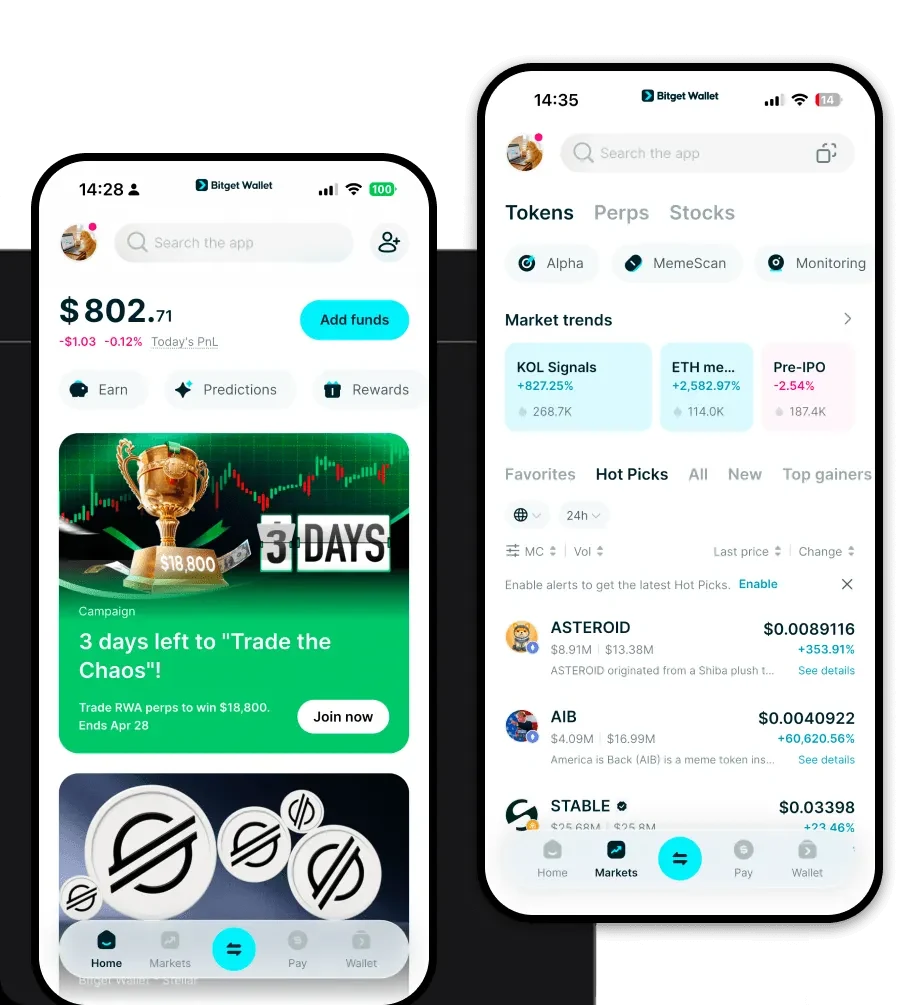
Choosing the right interface is critical for managing your SFP holdings effectively. A top-tier choice for SFP holders is the Bitget Wallet, which acts as a powerful bridge to the EVM ecosystem. Whether you are a beginner or an experienced trader, you need a tool that offers true self-custody of your private keys while maintaining high accessibility. Bitget Wallet provides a robust, multi-chain environment that supports over 130 public chains, ensuring that your SFP assets are always visible and manageable.
You can download Bitget Wallet directly to your mobile device, available on both iOS and Android, or install the browser extension for a desktop-integrated experience. The installation process is streamlined, allowing you to import existing wallets or generate new ones in minutes. By centralizing your assets in one place, you eliminate the friction of switching between multiple applications, making it the most efficient way to interact with the SFP ecosystem.
Why Choose Bitget SFP Wallet?
When dealing with EVM-based assets like SFP, you need a wallet that understands the nuances of smart contract interaction and gas optimization. Bitget Wallet stands out as a premier infrastructure tool for the following reasons:
- EVM Compatibility & Optimization: Bitget Wallet is built to handle the complexities of the Ethereum Virtual Machine, offering intuitive gas fee estimation and fast transaction broadcasting for SFP-related operations.
- Comprehensive Asset Management: Beyond just SFP, the wallet supports a massive array of tokens across 130+ chains, allowing you to manage your entire portfolio from a single, unified interface.
- Enhanced Security Infrastructure: With a $300 million user protection fund and advanced encryption standards, Bitget Wallet provides an extra layer of defense against potential threats, complementing the inherent security of your SFP holdings.
- Seamless DeFi Integration: The built-in DApp browser allows you to connect directly to decentralized exchanges and lending platforms, making it easier than ever to engage with the DeFi ecosystem without leaving the app.
- Cross-Chain Efficiency: The integrated cross-chain bridges allow you to swap assets between different chains seamlessly, ensuring that your SFP or other EVM assets can move where you need them to be without manual complexity.
How to Create an SFP Wallet
Setting up your SFP wallet via Bitget is a straightforward process designed for maximum security and ease of use. Follow these steps:
- Download and Install: Visit the official website to download Bitget Wallet for your specific device (iOS, Android, or Browser Extension).
- Initialize Wallet: Open the app and select 'Create a New Wallet' to generate a new set of private keys. If you already have a wallet, select 'Import Wallet' using your existing recovery phrase.
- Backup Your Seed Phrase: This is the most crucial step. Carefully write down your mnemonic phrase and store it in a secure, offline location. Never share this with anyone.
- Add SFP Token: Navigate to the token management section, search for 'SFP', and toggle the switch to add it to your main dashboard.
- Verify Address: Your SFP wallet address is now active. You can find it by tapping the 'Receive' button on the wallet home screen, which will display your public address for incoming transactions.
What Can You Do With an SFP Wallet?
An SFP wallet is more than just a storage vault; it is a gateway to utility and participation within the SafePal ecosystem. Using Bitget Wallet, you can maximize the potential of your tokens through various active engagements:
- Staking for Rewards: You can participate in staking programs directly through the wallet interface, allowing you to earn yield on your idle SFP holdings over time.
- Governance Voting: By holding SFP in your wallet, you gain the ability to participate in community governance votes, giving you a voice in the future development and direction of the protocol.
- Paying Transaction Fees: SFP is often utilized to cover transaction costs within the ecosystem, and your wallet allows you to manage these payments efficiently during complex smart contract interactions.
- Accessing Exclusive Airdrops: Many projects reward SFP holders with exclusive airdrops; having a self-custodial wallet ensures you are eligible and can claim these rewards directly on-chain.
- Purchasing Hardware Wallets: You can use your SFP tokens or the integrated wallet interface to facilitate the purchase of official SafePal hardware devices, further enhancing your security posture.
How SFP Wallets Are Different from Other Crypto Wallets
While many wallets may appear identical on the surface, the underlying architecture matters significantly, especially for EVM-based tokens like SFP. Unlike legacy wallets that might struggle with the nuances of smart contract interaction, a specialized SFP wallet interface like Bitget is optimized for the EVM account model. This means users benefit from precise gas fee management, which is essential for executing DeFi transactions without overpaying. Furthermore, while some wallets prioritize simple storage, an SFP-compatible wallet is designed for high-frequency interaction with dApps. It bridges the gap between high-security requirements—such as those needed for large-scale asset custody—and the fast-paced, low-latency needs of modern decentralized finance, ensuring that your SFP experience is always smooth and responsive.
