





What is an RDEX Wallet?
An RDEX wallet is a digital interface that allows you to store, manage, and interact with RDEX tokens, the native asset of the RobinDex ecosystem. RobinDex (RDEX) is a peer-to-peer OTC trading platform for the Robinhood Chain, officially positioned as a derivative/experimental project. Its core features include single custody, three pricing methods, and an automatic sell safety net, providing wallet-to-wallet pool-less ETH settlement and partial fills. It targets on-chain token holders and off-chain buyers, aiming to build a private, low-impact liquidity channel.
Because RDEX operates on an EVM (Ethereum Virtual Machine) compatible framework, your RDEX wallet functions as a gateway to the broader Ethereum ecosystem. It does not just hold tokens; it allows you to sign transactions, approve smart contract interactions, and manage assets across EVM-compatible chains. Understanding that RDEX is inherently linked to the security and throughput of its underlying EVM chain is crucial for users looking to maximize their DeFi potential.
Download Bitget RDEX Wallet
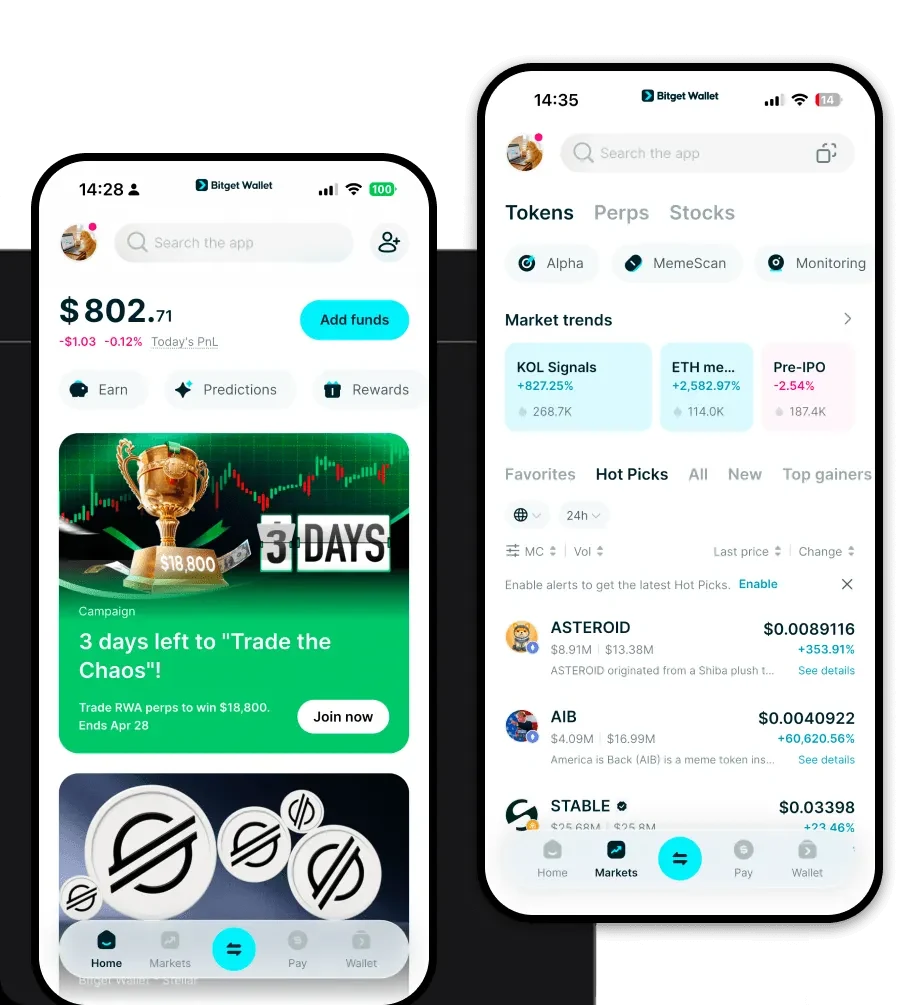
Finding the right tool to manage your RDEX assets is critical. Bitget Wallet stands out as a premier non-custodial solution that empowers users with full control over their private keys. Unlike centralized exchanges, where your assets are held by a third party, Bitget Wallet ensures you remain the sole custodian of your RDEX tokens.
Bitget Wallet offers a seamless experience across multiple platforms, including a dedicated download Bitget Wallet mobile app for both iOS and Android, as well as a robust browser extension for desktop users. By choosing this wallet, you gain access to a platform that supports over 130 public chains and millions of tokens, ensuring that if you choose to diversify your portfolio beyond RDEX, you won't need to switch applications. The interface is designed for both security and speed, making it an excellent choice for interacting with the RobinDex OTC infrastructure.
Why Choose Bitget RDEX Wallet?
- EVM Compatibility: As an EVM-based token, RDEX requires a wallet that natively understands Ethereum-style transaction logic. Bitget Wallet offers full MetaMask compatibility, allowing you to easily import existing wallets and interact with DeFi protocols without friction.
- Advanced Security Infrastructure: Bitget Wallet is backed by a $300 million user protection fund, providing an extra layer of security that is rare in the non-custodial space. This ensures your RDEX assets are shielded against common exploits.
- Seamless DApp Integration: Since RDEX focuses on P2P OTC trading and experimental DeFi, the integrated DApp browser in Bitget Wallet allows you to connect directly to the RobinDex platform without exposing your keys to external sites.
- Optimized Gas Management: Transaction fees (gas) are a reality on EVM chains. Bitget Wallet provides real-time gas fee estimation and acceleration features, helping you manage costs during high-traffic periods on the Robinhood Chain.
- Unified Asset Management: You can view your RDEX tokens alongside your other crypto assets, NFTs, and liquidity pool positions in one clean, intuitive dashboard, eliminating the need to juggle multiple wallet applications.
How to Create an RDEX Wallet
Creating your wallet is a straightforward process designed to prioritize your security. Follow these steps to set up your Bitget Wallet for RDEX:
- Download and Install: Visit the official Bitget Wallet website to 'download Bitget Wallet' for your preferred device (iOS, Android, or browser extension).
- Initialize Wallet: Open the app and select 'Create a New Wallet.' You will be prompted to set a strong, unique password for the app itself.
- Backup Your Seed Phrase: The application will generate a 12-word recovery phrase. Write this down on paper and store it in a secure, offline location. Never share this with anyone, as it grants full access to your RDEX wallet.
- Verify Account: Enter the recovery phrase as prompted by the app to ensure it has been recorded correctly.
- Add RDEX Token: Navigate to the asset management section, click 'Add Token,' and ensure the EVM network is selected. You may need to paste the official RDEX contract address to make it visible in your wallet balance.
What Can You Do With an RDEX Wallet?
An RDEX wallet is more than just a storage container; it is a tool for active participation in the DeFi ecosystem. Here is how you can utilize your wallet:
- OTC Token Trading: Utilize the peer-to-peer OTC trading features of RobinDex to execute trades directly with other participants without relying on traditional order books.
- Private Liquidity Provision: Use your wallet to engage in private liquidity provision, helping the RobinDex ecosystem maintain its liquidity channel while keeping your strategies discreet.
- Direct Wallet-to-Wallet Transactions: Bypass centralized intermediaries by facilitating direct wallet-to-wallet transactions, which is the core settlement method for RDEX.
- Derivative Asset Hedging: Leverage your RDEX tokens to participate in derivative asset hedging strategies, helping you mitigate risk in volatile market conditions.
- Experimental DeFi Participation: Since RDEX is positioned as an experimental project, your wallet allows you to stake, swap, or provide liquidity in early-stage DeFi protocols that are pushing the boundaries of on-chain finance.
How RDEX Wallets Are Different from Other Crypto Wallets
When dealing with RDEX, you are operating within an EVM (Ethereum Virtual Machine) environment. This is fundamentally different from UTXO-based chains like Bitcoin. In an EVM-based RDEX wallet, your address functions as a smart contract-capable account. This means your wallet can hold not just the token, but also interact with complex logic like the RobinDex 'automatic sell safety net' and 'partial fills' functionality.
Unlike wallets built for resource-intensive chains where you must manage specific network resources (like CPU or RAM), an EVM-based RDEX wallet focuses on gas fees. You must ensure you have enough native ETH (or the chain's native token) to cover transaction costs. Because RDEX emphasizes pool-less settlement, your wallet acts as a direct participant in the transaction, rather than just a passive holder. This requires a wallet that can handle frequent, efficient signing of transactions without the overhead of centralized pool-based liquidity, making a high-performance interface like Bitget Wallet essential for the modern DeFi user.
