





What is an RBI Wallet?
An RBI wallet is a digital interface that allows you to interact with the ReserveBlock (RBI) blockchain. RBI (ReserveBlock) is an open-source Layer 1 blockchain built on a proprietary decentralized consensus protocol, designed to be fully decentralized and energy-efficient. It enables users to mint and trade NFTs without the need for high gas fees or complex smart contracts, focusing on accessibility and ease of use in the Web3 ecosystem. By using a wallet, you gain direct access to your private keys, which are essential for authorizing transactions and proving ownership of your RBI assets on this unique Layer 1 network.
Download Bitget RBI Wallet
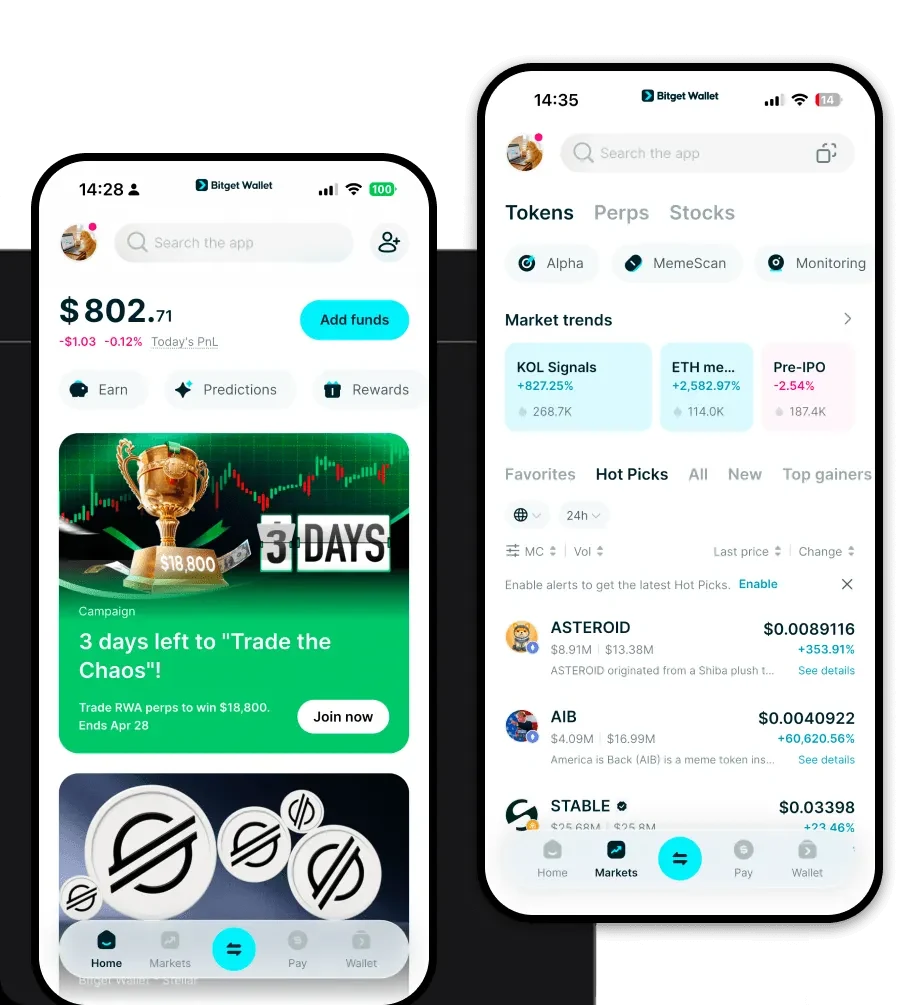
To start your journey, you need a robust tool that handles your assets securely. The Bitget Wallet offers a comprehensive solution for managing RBI. It is a non-custodial, decentralized wallet, meaning you retain full control over your private keys and seed phrases at all times. Whether you are using a mobile device or a desktop, Bitget Wallet provides a seamless experience across iOS, Android, and browser extensions. With support for over 130 mainnet blockchains and millions of tokens, it is perfectly suited for managing your RBI holdings alongside other assets. To get started, you can download Bitget Wallet and begin setting up your decentralized financial hub.
Why Choose Bitget RBI Wallet?
Choosing the right wallet for a specialized Layer 1 blockchain like ReserveBlock requires prioritizing security and cross-chain functionality. Bitget Wallet stands out for the following reasons:
- Proprietary Architecture Support: Unlike generic wallets, Bitget is engineered to handle complex Layer 1 structures, ensuring smooth interaction with RBI’s unique consensus protocols.
- Enhanced Security Infrastructure: With a $300 million user protection fund, your assets are shielded against unforeseen risks, providing peace of mind while you participate in the network.
- Energy-Efficient Management: As RBI focuses on energy-efficient mining and operation, Bitget Wallet’s lightweight design ensures that your interactions with the chain remain fast and efficient without draining device resources.
- NFT Ecosystem Integration: Given RBI’s focus on NFTs, Bitget provides a native interface to view, manage, and trade your digital collectibles without needing third-party tools.
- Low-Fee Optimization: The wallet interface is designed to help you execute transactions with minimal friction, taking full advantage of the low transaction fees inherent to the RBI network.
How to Create an RBI Wallet
Creating your wallet is a straightforward process designed to keep your assets secure from the start:
- Download and Install: Visit the official Bitget Wallet website or your app store to install the application.
- Create a New Wallet: Open the app and select 'Create a Wallet.' You will be prompted to set a strong password for your local device access.
- Backup Your Seed Phrase: The app will generate a 12-word recovery phrase. Write this down on paper and store it in a secure, offline location. Never share this with anyone.
- Verify Backup: Enter the seed phrase as requested to confirm that you have saved it correctly.
- Access Your Address: Once initialized, you can locate your unique wallet address in the dashboard, which you can use to receive RBI tokens.
What Can You Do With an RBI Wallet?
An RBI wallet is your gateway to the full potential of the ReserveBlock ecosystem. Beyond simple storage, you can engage in several key activities:
- Minting NFTs: Easily create your own digital collectibles directly on the blockchain, leveraging RBI’s architecture to bypass high gas fees.
- Trading Digital Assets: Use the wallet to send and receive RBI tokens and NFTs, facilitating seamless peer-to-peer exchanges.
- Staking for Network Security: Participate in network maintenance by staking your RBI tokens to help secure the protocol and earn potential rewards.
- Participating in Decentralized Governance: Use your wallet to cast votes on proposals that shape the future development and direction of the ReserveBlock ecosystem.
- Running Validator Nodes: For advanced users, your wallet interface provides the necessary tools to connect and participate in running validator nodes, contributing to the decentralized consensus protocol.
How RBI Wallets Are Different from Other Crypto Wallets
RBI wallets differ significantly from those designed for standard EVM or UTXO chains. Because ReserveBlock utilizes a proprietary decentralized consensus protocol, the wallet must be optimized for this specific architecture rather than the standard account-based models found in Ethereum or the UTXO models found in Bitcoin. While an EVM wallet focuses on gas-heavy smart contract interactions, an RBI wallet is optimized for energy efficiency and low-cost NFT minting. Furthermore, unlike chains that require complex resource management (like EOS), the RBI wallet experience is streamlined, focusing on accessibility and ensuring that users can participate in governance and staking without navigating convoluted technical barriers.
