




What is a QLM Wallet?
A QLM wallet is a digital interface that allows you to interact with the Qianlima (QLM) token, an independent community memecoin experiment launched on the Flap ecosystem. Because QLM operates on the EVM (Ethereum Virtual Machine) chain, your wallet acts as a gateway to this specific network, enabling you to hold, send, and interact with smart contracts associated with the token. Qianlima (QLM) is an independent community memecoin experiment launched on the Flap ecosystem. It features an anonymous team and a unique economic model centered around a 110 BNB pump fund pool. The token implements a 3/3 transaction tax that flows directly into this pool, alongside an automated buyback-burn mechanism that repurchases and burns 0.01 BNB worth of tokens every minute. It is positioned as an experiment in community-driven, deflationary tokenomics.
Download Bitget QLM Wallet
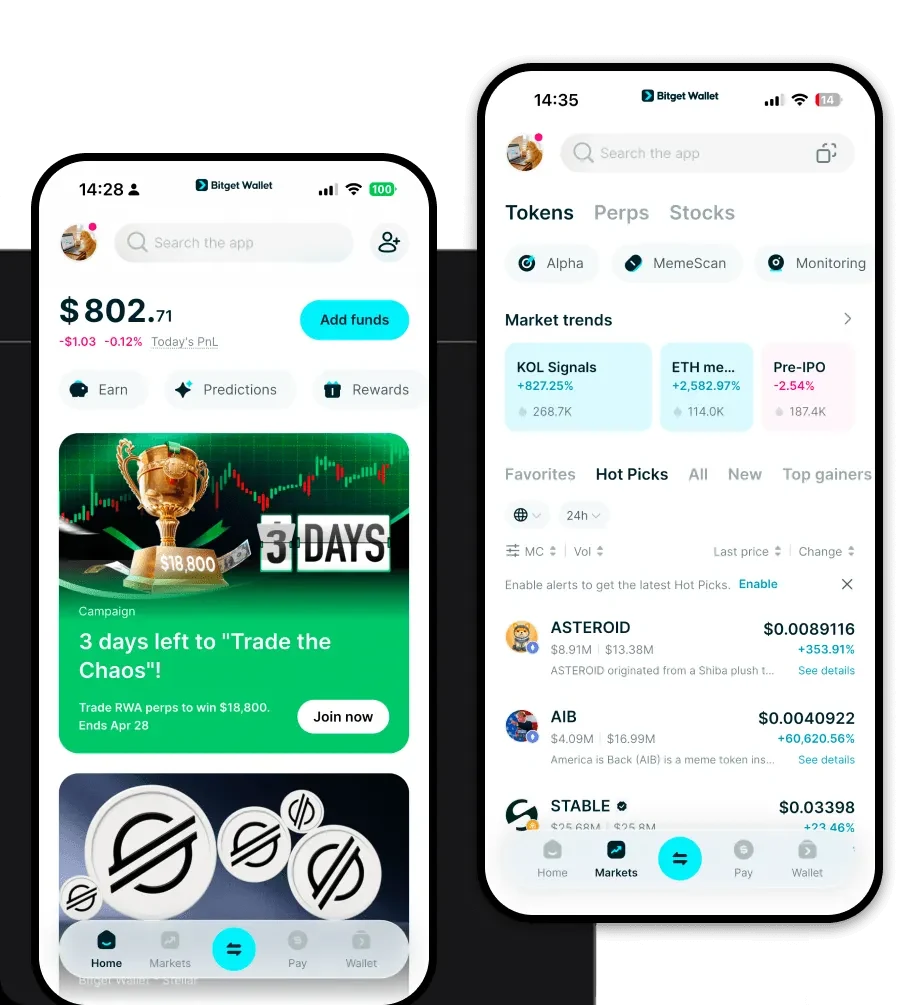
To safely manage your QLM assets, you need a reliable, self-custodial wallet that grants you full control over your private keys. Bitget Wallet stands out as a premier choice for this purpose, offering comprehensive support for over 130 blockchains and millions of tokens. Whether you are using a mobile device on the go or a desktop browser, you can easily access your assets through a unified interface. You can download Bitget Wallet on iOS, Android, or as a browser extension to start your journey. This non-custodial solution ensures that only you hold the keys to your crypto, providing the peace of mind necessary for navigating the volatile memecoin market.
Why Choose Bitget QLM Wallet?
- EVM Ecosystem Integration: Bitget Wallet offers native support for EVM-compatible chains, allowing for seamless interaction with the Flap ecosystem where QLM resides.
- Advanced Trading Features: With built-in DEX aggregation, you can swap tokens at optimal rates, which is crucial for managing assets with transaction taxes like QLM.
- Asset Security: Benefit from a robust security architecture, including a $300 million user protection fund, mitigating risks associated with DeFi interactions.
- DApp Browser Access: Easily connect to decentralized applications to monitor your QLM holdings or participate in community experiments without leaving the app.
- Automated Management: The interface is optimized to track deflationary tokens, making it easier to view your portfolio as buyback-burn mechanisms take effect.
How to Create a QLM Wallet
- Download and install the Bitget Wallet app from the official website or your device's app store.
- Open the app and select 'Create a New Wallet' to generate a new set of private keys.
- Back up your recovery phrase immediately and store it in a secure, offline location—this is your only way to recover funds.
- Once inside the main interface, navigate to the 'Token Management' or 'Add Token' section to import the QLM contract address manually if it does not appear automatically.
- Your QLM wallet address is now ready; you can find it by selecting the EVM chain or the specific token icon to copy your receive address.
What Can You Do With a QLM Wallet?
Owning a QLM wallet unlocks several specific activities within the memecoin space:
- Trading: You can actively trade QLM against other assets on decentralized exchanges, taking advantage of the liquidity provided by the pump fund pool.
- Speculative Holding: Many users engage in long-term speculative holding, betting that the deflationary nature of the token—driven by the automated buyback-burn mechanism—will impact market value over time.
- Community Governance Participation: As a community-driven experiment, holding QLM in your wallet often serves as your 'voting power' or entry ticket to community discussions and governance proposals within the Flap ecosystem.
- Liquidity Contribution: You can use your wallet to provide liquidity to decentralized pools, helping to stabilize the token and potentially earning rewards from trading fees.
How QLM Wallets Are Different from Other Crypto Wallets
When dealing with EVM-based tokens like QLM, your wallet interaction differs significantly from other chains. Unlike Bitcoin wallets that utilize the UTXO (Unspent Transaction Output) model, EVM wallets use an account-based model, which tracks the balance of your address directly. Furthermore, because QLM exists on the EVM, you must manage 'gas' fees—the native currency of the chain—to execute any transaction. Unlike EOS wallets that require managing complex resources like CPU, NET, or RAM, an EVM wallet simplifies the process to just paying a gas fee for transaction speed. This makes Bitget Wallet particularly effective for memecoin traders who need to execute transactions quickly to capture market shifts while ensuring their assets are compatible with the broader DeFi landscape.
