





What is a pete Wallet?
Palm Beach Pete (PETE) is an experimental, narrative-driven token inspired by a viral social media persona. Positioned as a cultural derivative, the project focuses on tokenized social interaction, identity representation, and community-led co-creation. It operates as a community-driven asset rather than a utility-heavy platform, targeting crypto-native users interested in internet culture, collectibles, and speculative narrative assets. As an EVM-compatible token, PETE operates on the Ethereum Virtual Machine ecosystem, meaning it benefits from the vast liquidity, robust infrastructure, and developer support typical of top-tier chains. A pete wallet is essentially any Ethereum-compatible wallet that allows you to store, send, and interact with your PETE tokens. However, because PETE is a community-driven meme asset, you need a wallet that provides more than just storage—you need an interface that keeps you connected to the pulse of the market.
Download Bitget pete Wallet
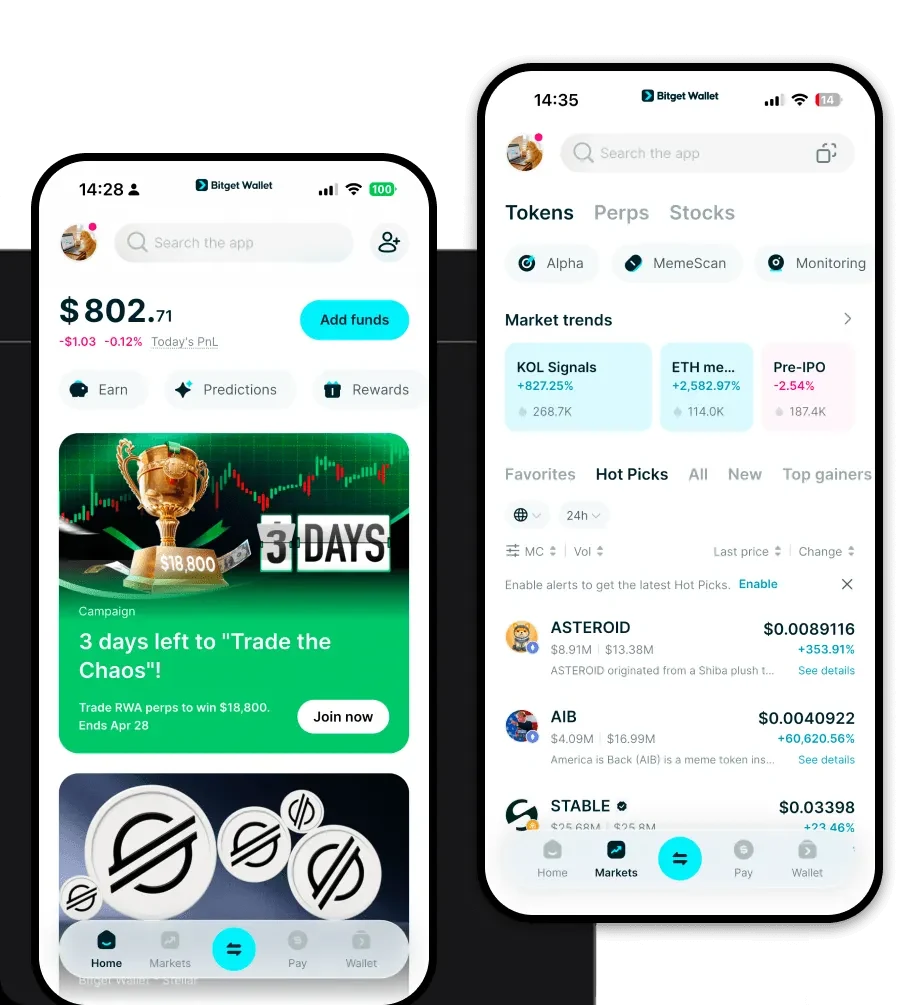
For those looking to engage with the PETE ecosystem, Bitget Wallet stands out as the comprehensive solution. It is designed for both beginners and power users who need reliable access to the EVM landscape. When you download Bitget Wallet, you are not just getting a storage tool; you are gaining a gateway to the decentralized web. Bitget Wallet offers full self-custody, meaning you hold your own private keys, ensuring that you are the sole owner of your PETE assets. It is available across all major platforms, including iOS, Android, and as a browser extension, allowing you to manage your meme token portfolio whether you are on the go or at your desk. With its multi-chain support, you can seamlessly manage PETE alongside other assets without having to switch between different applications.
Why Choose Bitget pete Wallet?
Choosing the right wallet for a meme token like PETE is critical, especially when dealing with the fast-paced, high-volatility nature of the crypto market. Bitget Wallet offers several distinct advantages:
- MetaMask Compatibility: As an EVM-native wallet, Bitget ensures that you can easily import your existing addresses and interact with any dApp that supports the Ethereum standard, making your PETE trading experience frictionless.
- Robust Security Architecture: With an industry-leading $300 million user protection fund, Bitget provides a safety net that is rare in the self-custodial wallet space, giving you peace of mind while you explore speculative assets.
- Optimized Gas Management: The built-in gas fee optimization helps you navigate the EVM network efficiently, ensuring you don't overpay during high-traffic periods common with trending meme tokens.
- Integrated DApp Browser: The wallet features a powerful DApp browser, allowing you to connect directly to decentralized exchanges to trade PETE without ever leaving the secure environment of your wallet.
- Real-time Market Insights: Bitget Wallet provides built-in market data, helping you track the price action and community sentiment surrounding the PETE token in real-time.
How to Create a pete Wallet
Setting up your wallet to hold PETE is a straightforward process that prioritizes your security. Follow these steps to get started:
Step 1: Visit the official website or your app store to download the Bitget Wallet application.
Step 2: Open the app and select 'Create a Wallet'. You will be prompted to set a strong password to protect the app locally.
Step 3: The system will generate a unique seed phrase. Write this down on paper and store it in a secure, offline location. Never share this with anyone, as it is the only way to recover your funds.
Step 4: Once the wallet is initialized, ensure your network is set to the correct EVM chain (such as Ethereum or the network where PETE is deployed). You can add PETE by selecting the 'Add Token' button and pasting the official contract address.
Step 5: You are now ready to receive, send, or trade PETE tokens. Your wallet address is now active and ready for use.
What Can You Do With a pete Wallet?
Owning a pete wallet opens up a variety of ways to engage with the project:
- Trading: Use the built-in swap features to trade PETE against other assets on decentralized exchanges, capturing liquidity directly within your wallet interface.
- Community Participation: Use your wallet to connect to community platforms or token-gated social spaces, allowing you to prove your identity as a PETE holder.
- Speculation: Monitor your portfolio and market shifts, allowing you to execute speculative trades based on the narrative-driven cycles of the token.
- Collecting Digital Assets: As a holder, you can collect and display digital assets or NFTs that may be associated with the Palm Beach Pete cultural IP.
- Governance Voting: If the community initiates governance, your wallet allows you to sign transactions to participate in decentralized voting, directly influencing the project's direction.
How pete Wallets Are Different from Other Crypto Wallets
When dealing with EVM-based tokens like PETE, the wallet architecture matters significantly. Unlike older generation wallets that might struggle with the complexity of modern dApps, Bitget Wallet utilizes the standard account model used by the Ethereum Virtual Machine. This means it handles smart contract interactions and token approvals far more efficiently than basic wallets. While some non-EVM wallets are restricted to simple peer-to-peer transfers, a specialized EVM wallet like Bitget allows for complex interactions, such as yield farming, staking, and instant swapping. Furthermore, because Bitget Wallet is built for high-performance trading, it optimizes the way your transactions are broadcast to the network, often resulting in faster confirmations for your PETE transactions compared to more generic, less optimized wallet interfaces.
