





1. What is a LEO Wallet?
A LEO wallet is a digital interface that allows you to securely store, send, and manage UNUS SED LEO (LEO) tokens. Because LEO operates primarily on the EVM (Ethereum Virtual Machine) blockchain, a compatible wallet must be capable of interacting with smart contracts and managing ERC-20 compliant assets. UNUS SED LEO (LEO) is the utility token used across the iFinex ecosystem, including the Bitfinex exchange. It is designed to provide holders with exclusive benefits, such as reduced trading fees, increased lending rebates, and priority support. By leveraging the ecosystem's liquidity and operational capacity, LEO integrates seamlessly into the iFinex platform's financial services. Choosing the right wallet is critical, as it serves as your gateway to participating in this financial ecosystem while maintaining control over your private keys.
2. Download Bitget LEO Wallet
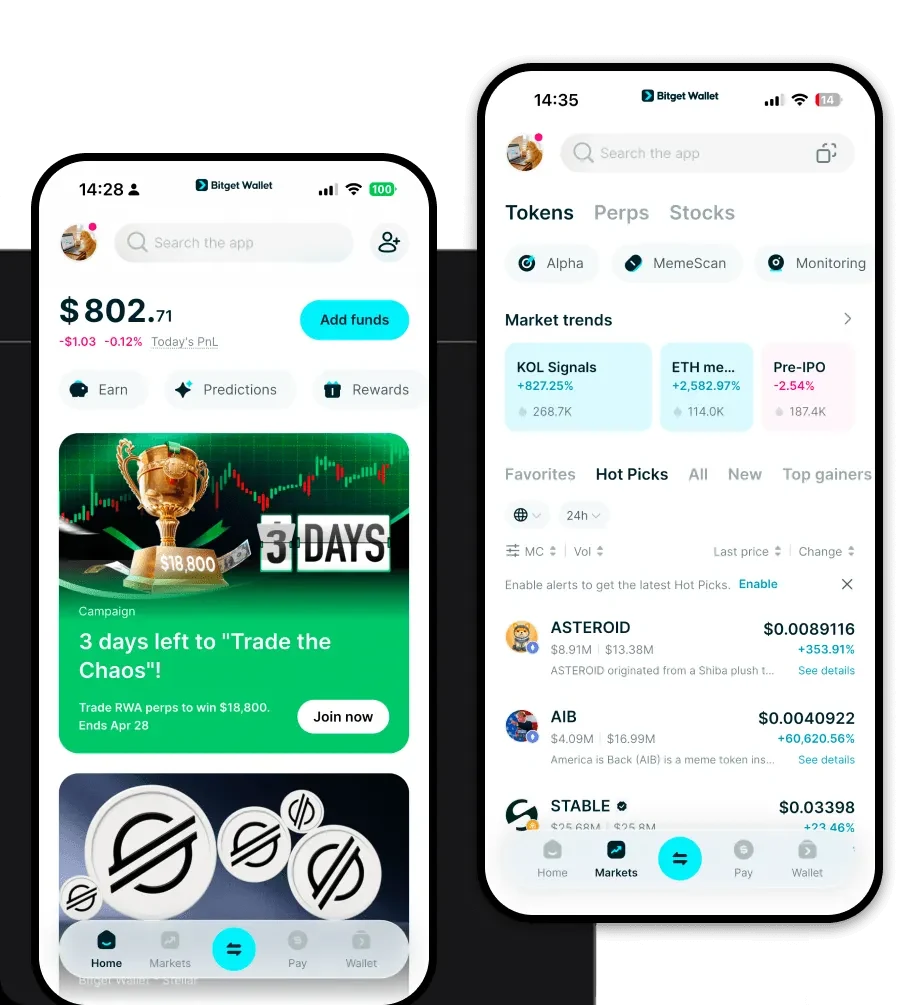
If you are looking for the best wallet for LEO, Bitget Wallet stands out as a premier solution designed for both power users and beginners. It provides a robust, non-custodial environment where you retain full ownership of your digital assets, a necessity for any serious token holder. The application is built to support a vast array of chains, including full EVM compatibility, ensuring you can manage your LEO tokens alongside other assets without switching interfaces.
You can easily get started by visiting the official site to download Bitget Wallet. Whether you are using an iOS device, an Android smartphone, or prefer the convenience of a browser extension for desktop interactions, the experience is optimized for speed and security. By choosing this wallet, you are moving away from centralized exchange risks and into the world of self-custody, where your LEO tokens are truly yours.
3. Why Choose Bitget LEO Wallet?
Selecting the right infrastructure is vital when dealing with high-utility tokens like LEO. Bitget Wallet offers specific advantages that cater to users deeply integrated into the crypto financial landscape:
- Seamless EVM Integration: As an EVM-native application, Bitget Wallet ensures that your LEO transactions are executed with the precision and speed required by Ethereum-based protocols, minimizing potential errors.
- Advanced Security Infrastructure: With a $300 million user protection fund and sophisticated multi-layer encryption, your LEO holdings are shielded against common vulnerabilities and unauthorized access.
- Aggregated Liquidity Access: The wallet integrates with hundreds of DEXs and cross-chain bridges, ensuring that if you need to swap or utilize your LEO, you get the best possible rates and liquidity depth available in the market.
- Intuitive DApp Browser: Easily interact with decentralized platforms and DeFi protocols directly from your mobile device, making it simple to participate in ecosystem-wide staking or governance opportunities.
- Real-time Market Monitoring: Keep track of your LEO portfolio value with built-in, real-time market data, ensuring you never miss a significant price movement or opportunity to utilize your holdings.
4. How to Create a LEO Wallet
Creating your secure LEO storage environment on Bitget Wallet is a straightforward process designed to prioritize your privacy and asset control. Follow these five steps:
Step 1: Installation - Visit the official Bitget Wallet website and download the application for your specific device (iOS, Android, or Browser Extension).
Step 2: Initialize Wallet - Open the application and select 'Create a New Wallet'. You will be prompted to set a strong, unique password to secure the local app instance.
Step 3: Secure Your Seed Phrase - This is the most critical step. The wallet will generate a 12 or 24-word recovery phrase. Write this down on physical paper and store it in a secure, offline location. Never share this with anyone.
Step 4: Verify Your Backup - The system will ask you to re-enter your seed phrase to ensure you have recorded it correctly. Once verified, your wallet is initialized and encrypted.
Step 5: Add LEO Token - Navigate to the asset management section, click 'Add Token', and search for LEO. Since it is an EVM token, you can also import it via its contract address to ensure the correct asset is displayed in your main dashboard.
5. What Can You Do With a LEO Wallet?
Holding LEO in a self-custodial wallet like Bitget allows you to engage with the iFinex ecosystem actively. Beyond simple storage, your LEO wallet acts as a tool for financial optimization:
- Trading Fee Discounts: By holding LEO in your wallet, you can qualify for significant reductions in trading fees when interacting with associated platforms, effectively lowering your cost of participation.
- Lending Fee Rebates: Utilize your LEO holdings to access improved rates and rebates on lending protocols, maximizing the efficiency of your capital.
- Withdrawal Fee Waivers: Active LEO holders often gain access to specific withdrawal fee waivers, allowing for more cost-effective movement of assets between the exchange and your private wallet.
- Token Burn Participation: Stay informed and participate in the ecosystem's token burn programs, which are designed to influence the token's scarcity and value proposition over time.
- Ecosystem Governance: Use your LEO wallet to engage with governance proposals and influence the strategic direction of the platforms you interact with, ensuring your voice as a token holder is heard.
6. How LEO Wallets Are Different from Other Crypto Wallets
Not all wallets are created equal, especially when handling utility tokens like LEO. Unlike Bitcoin wallets that rely on the UTXO (Unspent Transaction Output) model, a LEO wallet is built on the Account Model. This means your wallet functions more like a traditional bank account balance, which is essential for interacting with the smart contracts that govern the iFinex ecosystem.
Furthermore, because LEO is an EVM-based asset, your wallet must handle gas fees efficiently. Bitget Wallet optimizes this by providing clear gas estimation and speed options, allowing you to prioritize either cost or transaction speed. Unlike basic wallets that might struggle with complex DApp interactions, a dedicated LEO wallet ensures that you can execute transactions within the EVM ecosystem seamlessly, without the friction often associated with generic, non-specialized crypto storage solutions.
