





What is a GDC Wallet?
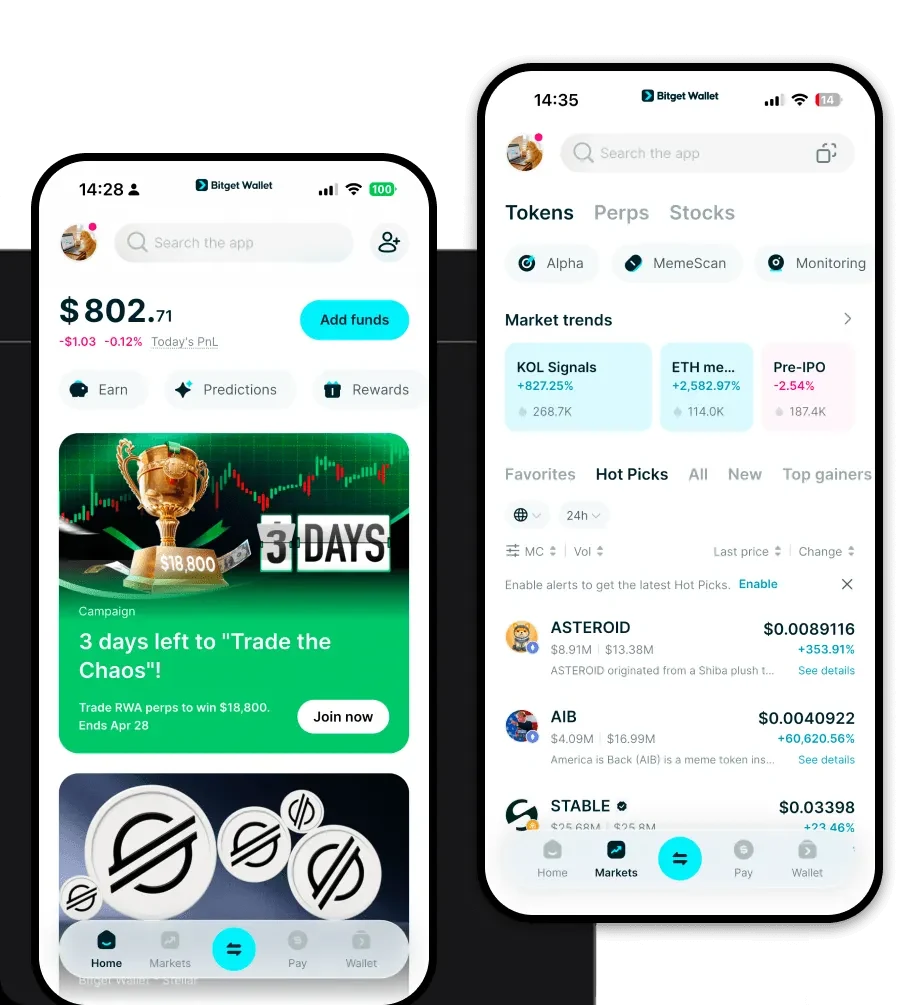
A GDC wallet is a secure digital interface designed to manage your GDC holdings, interact with DeFi protocols, and execute transactions on the blockchain. Because GDC operates on the EVM (Ethereum Virtual Machine) ecosystem, your wallet acts as a bridge to a vast network of decentralized applications and smart contracts. GDC is supported on Bitget Wallet, a secure crypto wallet trusted by 40 million users for exploring Web3. Bitget Wallet provides a reliable platform for managing, storing, and interacting with GDC assets.
Download Bitget GDC Wallet
To start your journey with GDC, you need a robust, self-custodial wallet that puts security first. Bitget Wallet is designed for users who demand full control over their private keys while enjoying a seamless interface. Whether you are using an iPhone, an Android device, or a desktop browser, Bitget Wallet offers a unified experience across all platforms. With built-in multi-chain support, you can manage GDC alongside hundreds of other assets without switching applications. To get started, you can download Bitget Wallet and instantly gain access to the DeFi ecosystem.
Why Choose Bitget GDC Wallet?
Choosing the right wallet for GDC is critical, especially when participating in DeFi activities. Bitget Wallet stands out for several key reasons:
- Native EVM Compatibility: Perfectly aligned with EVM standards, ensuring your GDC transactions are fast, reliable, and compatible with the broader Ethereum-based DeFi landscape.
- Seamless Cross-Chain Interoperability: Effortlessly move GDC across different networks via integrated bridges, allowing you to optimize your assets where liquidity is highest.
- High Liquidity Support: Access aggregated DEX liquidity directly within the wallet, ensuring you get the best price for your GDC trades without leaving the app.
- Decentralized Governance Integration: Participate directly in DAO proposals and governance voting for your GDC-related projects without needing complex third-party tools.
How to Create a GDC Wallet
Setting up your GDC wallet is straightforward. Follow these steps to secure your assets:
- Download and Install: Visit the official site to download Bitget Wallet and install it on your preferred device.
- Create a New Wallet: Open the app and select 'Create Wallet'. You will be asked to set a strong password.
- Secure Your Seed Phrase: The app will generate a 12-word recovery phrase. Write this down on paper and store it offline—never share this with anyone.
- Verify and Setup: Confirm your seed phrase in the app to finalize the creation of your account.
- Add GDC Token: Once your wallet is active, use the 'Add Token' feature and search for GDC to make it visible on your main dashboard.
What Can You Do With a GDC Wallet?
Owning a GDC wallet unlocks the full potential of your tokens. Here is how you can utilize your GDC assets within the ecosystem:
- Staking: Lock your GDC tokens into smart contracts to earn passive rewards and contribute to network security.
- Trading: Swap GDC for other assets instantly using the integrated DEX aggregator, ensuring you always trade at the best available market rates.
- Providing Liquidity: Deposit your GDC into liquidity pools on DeFi platforms to earn transaction fees and help maintain market depth.
- Governance Voting: Use your GDC holdings to vote on key proposals, influencing the future development and direction of the protocol.
- Cross-Chain Transfers: Efficiently move your GDC between different EVM-compatible chains to take advantage of various yield farming opportunities elsewhere.
How GDC Wallets Are Different from Other Crypto Wallets
The GDC wallet experience is fundamentally shaped by the EVM architecture. Unlike wallets built for UTXO-based chains (like Bitcoin), which focus on unspent transaction outputs, a GDC wallet manages a balance-based account model. This means that every time you interact with a smart contract or perform a trade, you are interacting with an address that holds a specific state. Furthermore, because GDC operates on EVM, you must account for 'gas fees'—the transaction costs paid to validators to process your requests. Bitget Wallet optimizes this by providing gas estimation tools, ensuring your transactions are processed efficiently without overpaying. This is a stark contrast to chains that use resource models (like EOS), where you might need to stake tokens for CPU/NET resources. With Bitget Wallet, you get a clean, intuitive experience tailored specifically for the nuances of EVM transactions.
