





What is a CPAI Wallet?
A CPAI wallet is a digital interface designed to interact with the ComputePoolAI ecosystem. ComputePoolAI (CPAI) is a shared AI computing power experimental platform that integrates idle GPU/CPU resources through WebGPU and local Workers. As an asset residing on the EVM (Ethereum Virtual Machine) blockchain, your CPAI tokens require a wallet that is fully compatible with EVM standards to ensure seamless interaction with decentralized applications and smart contracts. The project features daily settlements based on user contributions, utilizes an on-chain treasury with BNB rewards allocated at a 10% / 85% / 5% ratio, and provides OpenAI-compatible APIs alongside token-holding node access. To manage these specific functionalities, your wallet must be capable of handling EVM-based transactions and interacting with the underlying infrastructure of the ComputePoolAI protocol effectively.
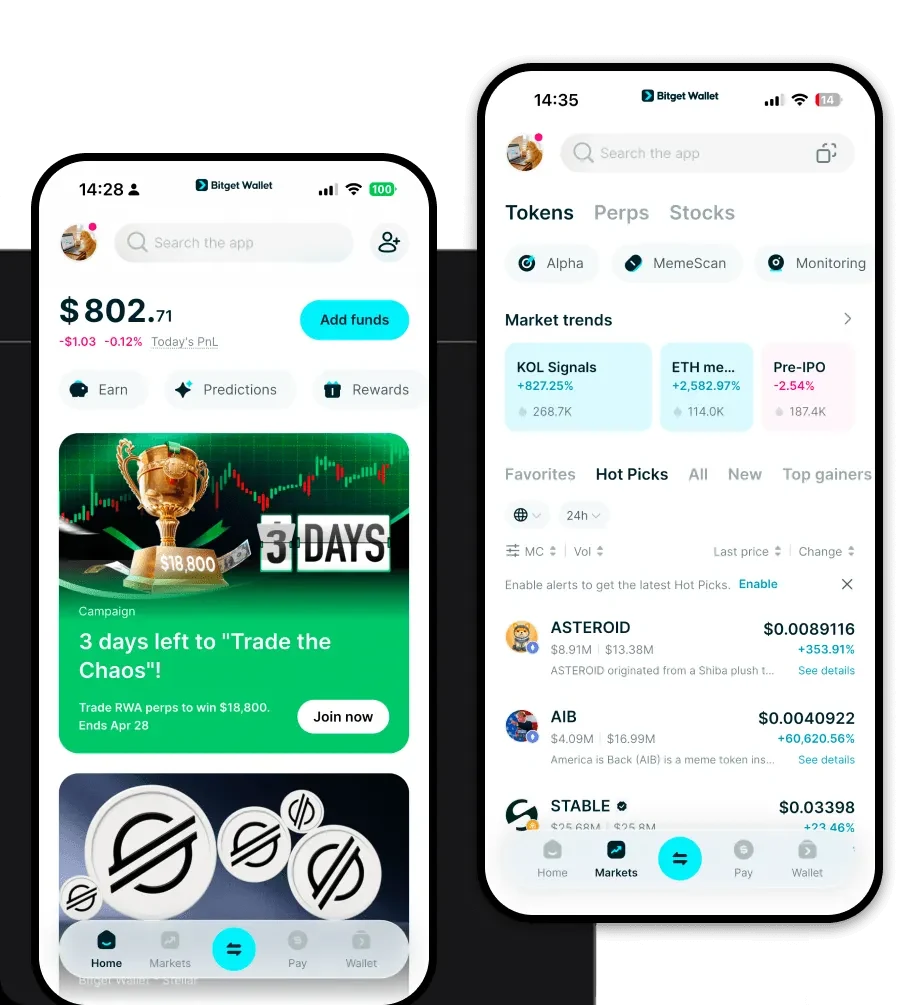
Download Bitget CPAI Wallet
To securely store and manage your CPAI tokens, choosing a robust, non-custodial solution is essential. Bitget Wallet stands out as a premier choice for this purpose, offering comprehensive support for over 130 public chains and millions of tokens, including all EVM-compatible assets like CPAI. By opting for a non-custodial wallet, you retain full control over your private keys, ensuring that you are the sole custodian of your digital assets.
Bitget Wallet provides a seamless experience across all major platforms. Whether you are using a mobile device or a desktop browser, you can easily download Bitget Wallet. It is available as a dedicated app for iOS and Android, as well as a browser extension for Chrome, Edge, and other Chromium-based browsers. This multi-platform support ensures that you can monitor your CPAI holdings, track your rewards, and interact with the ComputePoolAI platform from anywhere, at any time.
Why Choose Bitget CPAI Wallet?
Since CPAI operates on the EVM chain, you need a wallet that understands the intricacies of the Ethereum Virtual Machine environment. Bitget Wallet is optimized for this ecosystem, providing several distinct advantages:
- Seamless EVM Compatibility: Bitget Wallet is built to handle EVM-based assets natively, ensuring that your CPAI transactions are processed with full transparency and compatibility with dApps.
- Optimized Gas Fee Management: As an Infrastructure-category project, interacting with CPAI often involves smart contract calls. Bitget Wallet’s smart gas estimation features help you save on transaction costs during peak network activity.
- Robust Security Architecture: With a 300 million USD user protection fund, Bitget Wallet adds an extra layer of confidence when managing your token-holding nodes and daily reward settlements.
- Integrated DApp Browser: You can directly access the ComputePoolAI platform through the built-in DApp browser, allowing you to contribute idle GPU/CPU resources without leaving your wallet interface.
How to Create a CPAI Wallet
Setting up your CPAI wallet on Bitget is a straightforward process designed for both beginners and experienced users:
- Download and Install: Visit the official website and download the Bitget Wallet app for your specific device (iOS, Android, or Browser Extension).
- Create a New Wallet: Open the app and select 'Create Wallet'. You will be prompted to set a strong password for your local device protection.
- Secure Your Seed Phrase: The app will generate a 12-word mnemonic phrase. Write this down on paper and store it in a secure, offline location. Never share this with anyone.
- Add CPAI Token: Since CPAI is an EVM token, you may need to add it manually if it does not appear automatically. Go to the 'Manage Tokens' section, click the '+' icon, and input the official CPAI contract address on the BNB Chain.
- Verify Setup: Once added, your CPAI wallet address will appear. You can now use this address to receive rewards or interact with the platform.
What Can You Do With a CPAI Wallet?
Your CPAI wallet is more than just a storage tool; it is your gateway to participating in a decentralized AI economy. Here is how you can utilize your wallet:
- Contributing idle GPU/CPU: Use your wallet to register your hardware resources with the ComputePoolAI network, allowing you to monetize your idle computing power.
- Earning BNB rewards: Your wallet serves as the destination for your automated daily settlements, where rewards are distributed based on your contribution metrics.
- Accessing AI computing nodes: By holding the required amount of CPAI in your wallet, you can gain exclusive access to specialized AI computing nodes for your projects.
- Utilizing API services: Connect your wallet to the platform to authenticate your identity when calling OpenAI-compatible APIs, ensuring secure access to AI services.
- Token-holding governance: Use your CPAI balance to participate in voting or governance proposals, directly influencing the future development of the ComputePoolAI infrastructure.
How CPAI Wallets Are Different from Other Crypto Wallets
Managing a token like CPAI requires an understanding of how EVM-based wallets function compared to other architectures. Unlike wallets designed for the UTXO model (like Bitcoin), which rely on unspent transaction outputs, a CPAI wallet uses the EVM account-based model. This means your balance is stored as a state variable in a smart contract. Furthermore, because CPAI relies on the EVM, your wallet must manage 'gas fees'—the transaction costs paid to network validators—which is distinct from the resource-based models (like CPU/NET/RAM) found in chains such as EOS. Bitget Wallet excels here by providing a unified interface that simplifies these complex EVM interactions, making the experience feel as smooth as a centralized app while maintaining full decentralization.
