





1. What is a Deflationary Perpetual Engine Wallet?
A Deflationary Perpetual Engine (DPE) wallet is a secure digital gateway designed to interact with the Deflationary Perpetual Engine ecosystem, which operates natively on the EVM (Ethereum Virtual Machine) blockchain. Because the DPE token is built on EVM infrastructure, you need a wallet that understands smart contract interactions, gas fees, and token approvals.
The Deflationary Perpetual Engine itself is a community-sourced deflationary buyback treasury experiment. It inherits configurable buyback factory contract templates, supporting periodic automated buyback and burn mechanisms. The project is led by anonymous or small developer teams and is entirely community-driven, designed to provide developers and token communities with reusable automated deflationary tools, enhancing asset scarcity through programmatic deflationary logic.
2. Download Bitget Deflationary Perpetual Engine Wallet
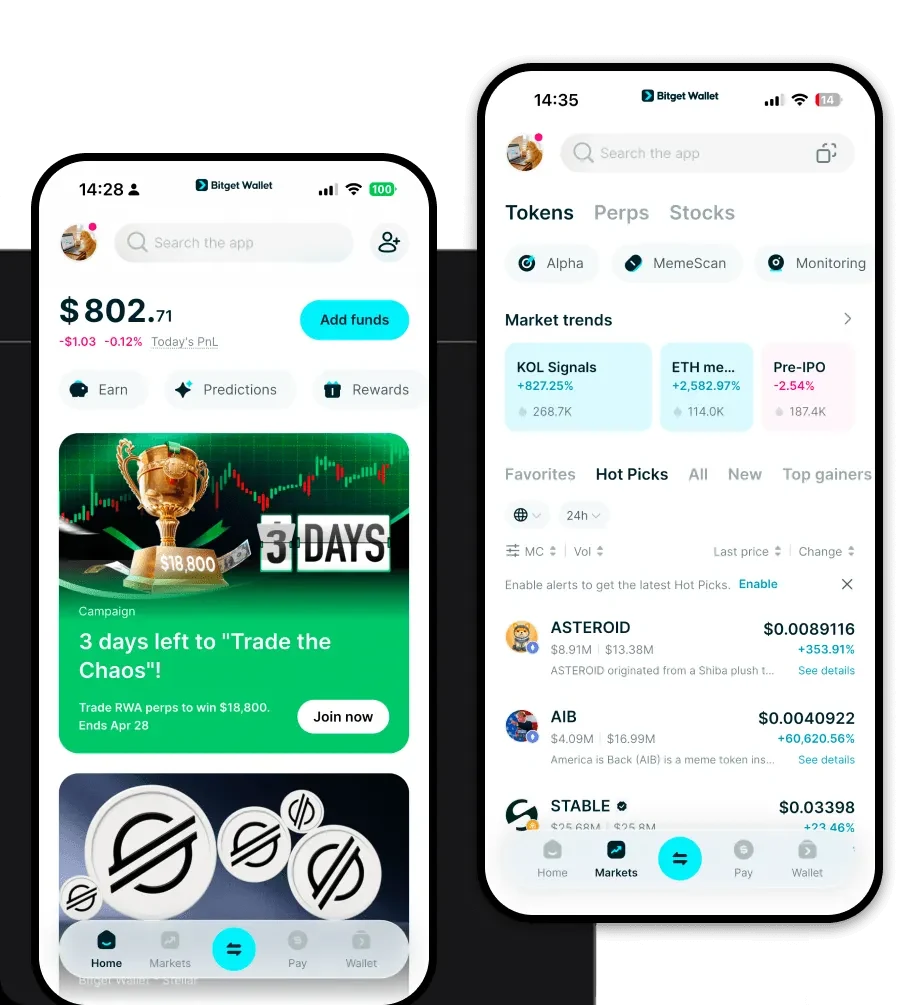
To fully harness the potential of your DPE tokens, you need a wallet that combines advanced DeFi capabilities with user-friendly accessibility. Bitget Wallet provides a seamless experience for managing EVM-based assets, ensuring you maintain full control over your private keys while enjoying a smooth interface. Whether you are a beginner or a veteran, the wallet offers a unified solution across devices.
You can access your assets anywhere by choosing to download Bitget Wallet. It is available as a mobile app for both iOS and Android, as well as a robust browser extension for desktop users. By supporting over 130 public chains and millions of tokens, Bitget Wallet ensures that your Deflationary Perpetual Engine tokens are always accessible, secure, and ready for immediate on-chain interaction.
3. Why Choose Bitget Deflationary Perpetual Engine Wallet?
Choosing the right wallet for an EVM-based DeFi token like the Deflationary Perpetual Engine is critical for your security and trading efficiency. Bitget Wallet stands out for several key reasons:
- Native EVM Compatibility: Bitget Wallet is built to handle the complexities of the Ethereum Virtual Machine, ensuring you can interact with DPE smart contracts and factory templates without compatibility errors.
- Advanced DeFi Aggregation: As a DeFi-focused token, DPE requires quick access to liquidity. Bitget Wallet aggregates hundreds of DEXs and cross-chain bridges, allowing you to swap your tokens at the best rates with minimal slippage.
- Enhanced Security Infrastructure: With a $300 million user protection fund, Bitget Wallet provides an extra layer of defense against potential on-chain threats, making it an ideal vault for your deflationary assets.
- Smart Contract Interaction: The wallet features an intuitive DApp browser that allows you to directly interface with the Deflationary Perpetual Engine's factory contracts and treasury dashboards without needing external software.
4. How to Create a Deflationary Perpetual Engine Wallet
Setting up your wallet is a straightforward process designed to get you into the DeFi space quickly. Follow these five steps to get started:
Step 1: Visit the official website and download the Bitget Wallet application for your preferred device (iOS, Android, or Browser Extension).
Step 2: Launch the app and select 'Create a New Wallet'. You will be presented with a recovery phrase (seed phrase).
Step 3: Carefully write down your recovery phrase and store it in a secure, offline location. Never share this phrase with anyone, as it is the master key to your funds.
Step 4: Once verified, your wallet will automatically be configured for the EVM network. You can now add the DPE token contract address manually if it does not appear in your asset list.
Step 5: Fund your wallet by sending ETH or the relevant gas token to your public address. You are now ready to participate in the DPE ecosystem.
5. What Can You Do With a Deflationary Perpetual Engine Wallet?
Holding DPE in a specialized wallet opens up a variety of specific DeFi use cases that go beyond simple storage. Here is how you can utilize your assets:
- Participating in deflationary experiments: You can directly interact with the project’s smart contracts to observe or contribute to the ongoing buyback and burn logic that drives the token's scarcity.
- Deploying automated buyback tools: Advanced users can utilize the wallet to interface with configurable treasury templates, allowing for the deployment or management of automated deflationary mechanisms.
- Trading as a speculative asset: Use the built-in DEX aggregator to swap DPE tokens for other assets, taking advantage of real-time market data directly within your wallet.
- Governance participation: As a community-driven project, holding DPE in your wallet allows you to sign transactions and participate in governance votes to shape the future of the protocol.
- Treasury management: You can monitor the status of the project’s buyback treasury, ensuring that the programmatic deflationary mechanisms are functioning as expected within the factory architecture.
6. How Deflationary Perpetual Engine Wallets Are Different from Other Crypto Wallets
Not all wallets are created equal, especially when dealing with specific token standards like those on the EVM. Unlike Bitcoin wallets that rely on the UTXO (Unspent Transaction Output) model, an EVM-compatible wallet like Bitget Wallet uses an account-based model. This is crucial for the Deflationary Perpetual Engine because it allows the wallet to easily track token balances and interact with complex smart contract states.
Furthermore, while some wallets struggle with managing gas fees during peak network congestion, Bitget Wallet optimizes gas estimation for EVM transactions. This ensures that your interactions with the DPE factory contracts are processed efficiently. By focusing on the unique needs of DeFi tokens—such as high-speed execution, DApp browser integration, and liquidity aggregation—this wallet provides a superior experience compared to generic, multi-purpose wallets that lack deep integration with the Ethereum ecosystem.
