




TDS Cüzdanı Nedir?
TDS cüzdanı, Bitget Wallet platformunda desteklenen ve güvenli depolama, yönetim ve Web3 uygulamalarını keşfetme konusunda 40 milyon kullanıcı tarafından güvenilen bir dijital varlık olan TDS tokeni ile etkileşim kurmak için tasarlanmış güvenli bir dijital arayüzdür. TDS öncelikle EVM (Ethereum Sanal Makinesi) blok zincirinde çalıştığı için, uyumlu bir cüzdan daha geniş Ethereum uyumlu ekosisteme açılan kapınız görevi görür. Özel anahtarlarınızı güvenli bir şekilde tutarken, akıllı sözleşmeler, merkeziyetsiz uygulamalar ve TDS ekosistemini güçlendiren çeşitli DeFi protokolleri ile etkileşim kurmanıza olanak tanır.
Bitget TDS Cüzdanını İndirin
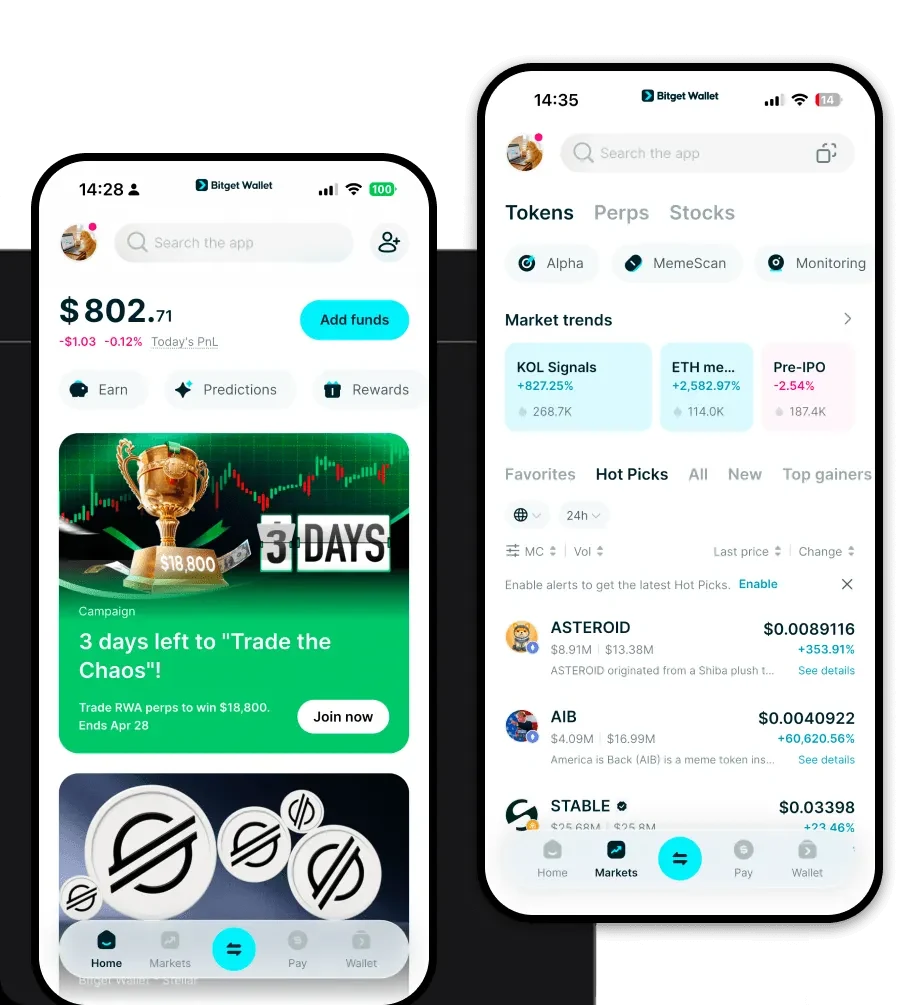
TDS ile yolculuğunuza başlamak için, dijital varlıklarınız üzerinde tam kontrol sağlayan güçlü ve gözetimsiz (non-custodial) bir çözüme ihtiyacınız vardır. Bitget Wallet, portföyünüzü ister masanızda ister hareket halindeyken yönetebilmenizi sağlayarak birden fazla platformda sorunsuz bir deneyim sunar. Özel anahtarın kendi kendine saklanmasına tam destek ile, merkezi borsalarla ilişkili risklerden uzak, fonlarınızın mutlak mülkiyetini korursunuz.
Sunulan özelliklerin tamamına erişmek için Bitget Wallet'ı indirmeyi tercih edebilirsiniz. Hem iOS hem de Android için bir mobil uygulama olarak ve masaüstü kullanıcıları için güçlü bir tarayıcı eklentisi olarak mevcuttur. Bu çok zincirli destek, TDS tokenlerinizin her zaman erişilebilir olmasını sağlar ve tüm Web3 etkileşimleriniz için birleşik bir arayüz sunar.
Neden Bitget TDS Cüzdanını Seçmelisiniz?
EVM tabanlı bir token için doğru cüzdanı seçmek, DeFi deneyiminizi optimize etmek adına çok önemlidir. Bitget Wallet, kullanıcı dostu basitliği korurken EVM ekosisteminin karmaşıklığını yönetmek için tasarlanmıştır:
- Sorunsuz EVM Uyumluluğu: Bitget Wallet, Ethereum Sanal Makinesi ile tam uyumlu olacak şekilde oluşturulmuştur, bu da EVM zincirleri üzerine inşa edilmiş herhangi bir dApp, DeFi protokolü veya NFT pazaryeri ile anında bağlantı kurmanızı sağlar.
- Derin Likidite Erişimi: Yüzlerce DEX'i ve zincirler arası köprüyü bir araya getiren cüzdan, TDS tokenlerinizi takas ederken en iyi piyasa oranlarını almanızı sağlar.
- Güçlü Güvenlik Mimarisi: 300 milyon dolarlık kullanıcı koruma fonu ve gelişmiş MPC (Çok Taraflı Hesaplama) teknolojisi ile varlıklarınız yaygın güvenlik açıklarına karşı korunur.
- Merkeziyetsiz Yönetişim Desteği: Cüzdan arayüzü, yönetişim teklifleri ve oylama mekanizmaları ile doğrudan etkileşime girmenize olanak tanıyacak şekilde optimize edilmiştir ve projenin gelişiminin merkezinde kalmanızı sağlar.
- Platformlar Arası Birlikte Çalışabilirlik: İster mobil cihazda takas yapın, ister masaüstünde karmaşık getiri çiftçiliği (yield farming) ile uğraşın, cüzdan verilerinizi tüm cihazlarınızda senkronize ederek sorunsuz bir deneyim sunar.
TDS Cüzdanı Nasıl Oluşturulur?
Cüzdanınızı kurmak, sadece birkaç dakika süren basit bir işlemdir. TDS tokenlerinizi güvence altına almak için şu adımları izleyin:
- Uygulamayı İndirin: Mobil cihazınıza veya tarayıcınıza uygulamayı yüklemek için resmi Bitget Wallet web sitesini veya uygulama mağazanızı ziyaret edin.
- Yeni Bir Cüzdan Oluşturun: 'Cüzdan Oluştur' seçeneğini seçin ve kurtarma ifadenizi oluşturmak için yönergeleri izleyin.
- Kurtarma İfadenizi (Seed Phrase) Yedekleyin: 12-24 kelimelik kurtarma ifadenizi bir kağıda yazın ve güvenli, çevrimdışı bir yerde saklayın; cihazınıza erişimi kaybetmeniz durumunda fonlarınızı kurtarmanın tek yolu budur.
- Kurulumunuzu Doğrulayın: Yedeğinizin doğru olduğundan emin olmak için uygulamada kurtarma ifadenizi onaylayın.
- Adresinize Erişin: Başlatıldıktan sonra varlık listesine gidin, TDS'yi arayın ve benzersiz EVM cüzdan adresinizi görüntülemek için 'Al' (Receive) düğmesine tıklayın.
- Staking: Ağ güvenliğine katkıda bulunun ve cüzdan içindeki desteklenen protokoller aracılığıyla doğrudan TDS tokenlerinizi kilitleyerek pasif ödüller kazanın.
- Alım Satım: Optimum fiyatlandırma için cüzdanın yerleşik DEX toplayıcısından yararlanarak, TDS'yi diğer tokenlere karşı doğrudan uygulama içinde yüksek hızlı takaslarla gerçekleştirin.
- Likidite Sağlama: Havuz tarafından üretilen işlem ücretlerinden pay alırken ticareti kolaylaştırmaya yardımcı olmak için merkeziyetsiz borsalarda likidite sağlayıcısı olun.
- Getiri Çiftçiliği (Yield Farming): Varlıklarınızı gelişmiş DeFi stratejileriyle artırmak için TDS ve diğer varlıklarınızı çeşitli likidite madenciliği programlarına yatırın.
- Varlık Yönetimi: Portföy performansınızı takip etmek, gaz ücretlerini gerçek zamanlı olarak izlemek ve token geçmişinizi birden fazla zincirde yönetmek için sezgisel panoyu kullanın.
TDS Cüzdanı ile Neler Yapabilirsiniz?
TDS'yi Bitget gibi güçlü bir cüzdanda tutmak, varlıklarınızın faydasını en üst düzeye çıkarmak için tasarlanmış bir dizi DeFi işlevinin kilidini açar:
TDS Cüzdanları Diğer Kripto Cüzdanlarından Nasıl Farklıdır?
Basit depolama çözümlerinin aksine, TDS gibi bir EVM tokeni için özel olarak tasarlanmış bir DeFi cüzdanı, Ethereum'un hesap tabanlı modeli ve katman-2 ağları için optimize edilmiştir. Bitcoin cüzdanları UTXO modellerine ve temel işlem güvenliğine odaklanırken, bir TDS cüzdanı yürütmek için "gaz" ücretleri gerektiren akıllı sözleşme etkileşimlerini yönetmek üzere oluşturulmuştur. Bitget Wallet, gelişmiş gaz ücreti yönetimi sağlayarak, işlemleri önceliklendirmenize veya ağ tıkanıklığı sırasında maliyetlerden tasarruf etmenize olanak tanıyarak öne çıkar. Bu yapısal fark, onu TDS için en iyi cüzdan yapan şeydir; sadece tokenlerinizi depolamakla kalmaz, onları tüm DeFi altyapısına bağlar.
