





What is a QI Wallet?
A QI wallet is a digital interface that allows you to securely store, send, and interact with QI, the native governance token of the BENQI protocol. BENQI is a decentralized liquidity market protocol built on the Avalanche network, allowing users to effortlessly lend, borrow, and earn interest with their digital assets. Because QI operates within the Avalanche ecosystem, you need a wallet that supports the Avalanche C-Chain, ensuring you can seamlessly engage with DeFi protocols without compatibility issues.
Download Bitget QI Wallet
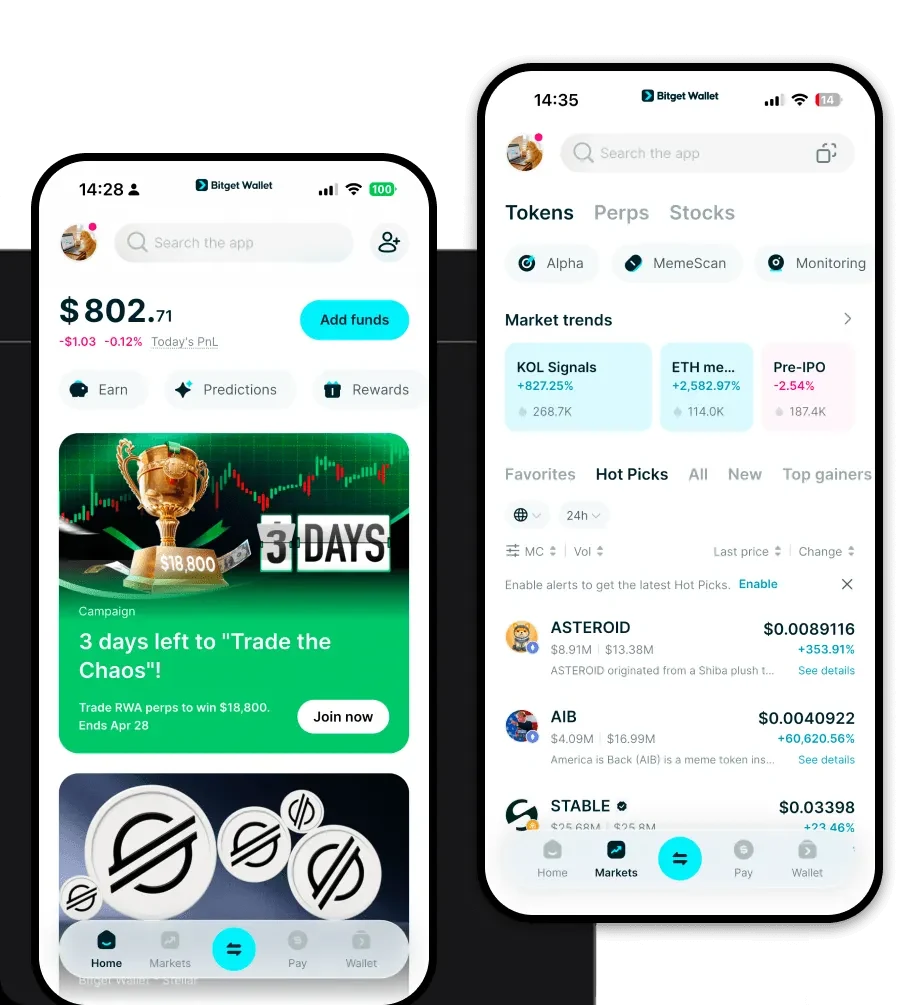
To fully experience the BENQI ecosystem, you need a reliable tool that bridges the gap between your assets and on-chain protocols. Bitget Wallet stands out as a comprehensive solution for managing QI tokens. Whether you are using a desktop browser or a mobile device, it provides a seamless experience for self-custody of your private keys. You can download Bitget Wallet across iOS, Android, and browser extensions to ensure you have full control over your assets wherever you go. With support for over 130 public chains, it simplifies the process of managing multiple assets while keeping your QI tokens accessible for immediate use in DeFi activities.
Why Choose Bitget QI Wallet?
Choosing the right wallet for DeFi tokens like QI requires more than just basic storage; it demands deep integration with the underlying network. Here is why Bitget Wallet is the preferred choice for BENQI users:
- Avalanche-Native Integration: Bitget Wallet offers native support for the Avalanche network, ensuring smooth transaction processing and low gas fees when interacting with the BENQI liquidity market.
- Advanced DeFi Dashboard: The wallet features a built-in DApp browser that allows you to connect directly to BENQI, making it easy to monitor your liquidity positions and interest rates in real-time.
- Robust Security Architecture: With a $300 million user protection fund and advanced encryption, Bitget Wallet provides enterprise-grade protection for your private keys, essential for managing governance tokens.
- DeFi-Centric UX: The interface is specifically designed for liquidity market optimization, allowing you to manage collateral and borrow positions with just a few clicks.
How to Create a QI Wallet
Setting up your wallet to manage QI is a straightforward process designed to prioritize your security:
1. Download and Install: Visit the official website to download Bitget Wallet on your preferred platform.2. Initialize Your Wallet: Open the app and select 'Create a New Wallet' to generate a unique set of seed phrases.3. Secure Your Seed Phrase: Write down your recovery phrase on physical paper and store it in a secure location. Never share this with anyone.4. Add the Avalanche Network: While Bitget Wallet supports Avalanche by default, ensure the network is active in your asset list to view your QI tokens.5. Receive QI: Copy your wallet address and send your QI tokens from an exchange or another wallet to begin participating in the BENQI ecosystem.
What Can You Do With a QI Wallet?
Owning a QI wallet opens up a world of decentralized finance opportunities. Here is how you can utilize your assets:
- Staking for rewards: You can lock your QI tokens into the protocol to participate in staking mechanisms, effectively earning yields on your idle assets.
- Governance voting: As a holder, you can use your wallet to sign transactions that participate in decentralized governance, allowing you to vote on critical protocol upgrades and parameter changes.
- Lending assets: You can deposit your digital assets into the BENQI liquidity market through your wallet, earning passive interest that accumulates directly in your account.
- Collateralizing for borrowing: You can use your stored assets as collateral to borrow against them, providing you with liquidity without needing to sell your underlying tokens.
How QI Wallets Are Different from Other Crypto Wallets
Managing a DeFi-specific token like QI requires a wallet that understands the nuances of the Avalanche network compared to other chains. Unlike Bitcoin wallets that focus primarily on the UTXO model for simple transfers, a QI wallet must be an EVM-compatible interface capable of executing complex smart contract interactions. While some wallets are limited to simple sending and receiving, a specialized DeFi wallet like Bitget allows for granular control over gas fees—crucial for optimizing transactions during high network congestion on Avalanche. Furthermore, unlike older legacy wallets that may struggle with the fast-paced nature of liquidity markets, Bitget Wallet is optimized for speed and real-time data, ensuring that your governance and lending actions are executed accurately and without delay.
