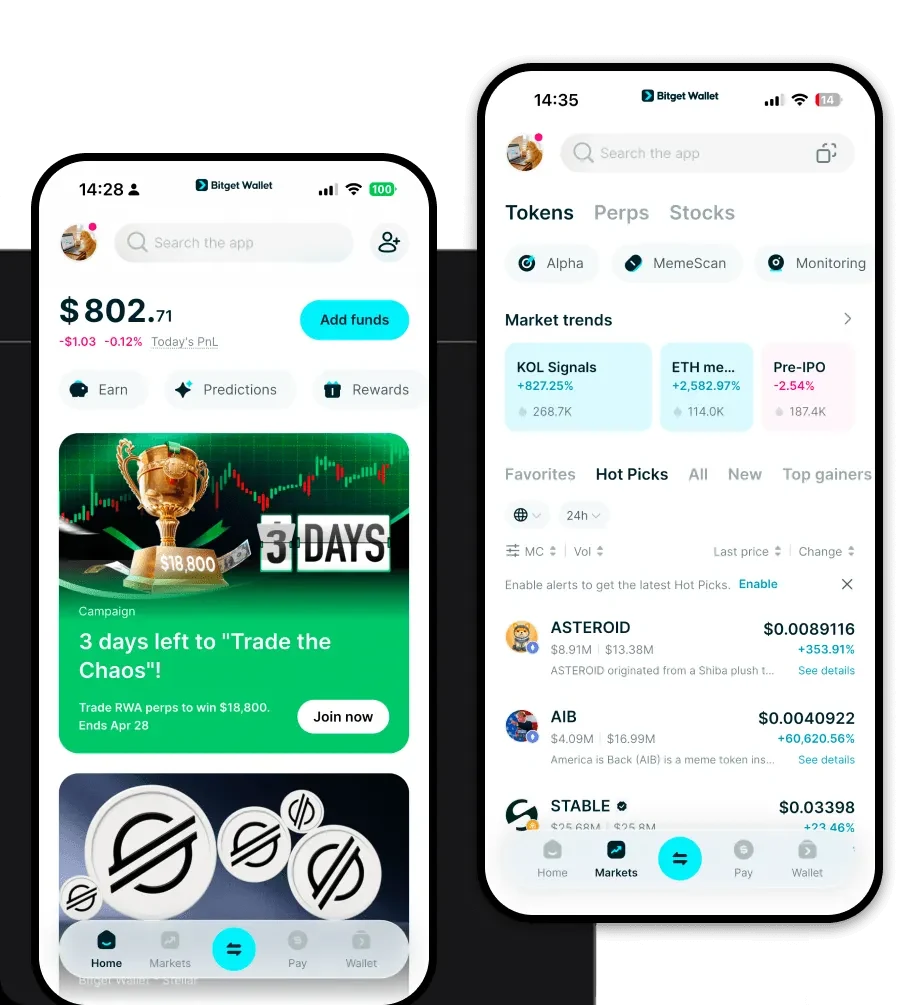
1. What is a nobleblocks Wallet? A nobleblocks wallet is a digital interface that allows you to interact with the nobleblocks ecosystem, which operates on the EVM (Ethereum Virtual Machine) blockchain. Because nobleblocks is built on EVM architecture, you require a wallet that supports EVM-compatible tokens to manage your assets, participate in the network, and engage with its decentralized infrastructure. NobleBlocks is a decentralized platform aiming to revolutionize the scientific publishing industry by providing a transparent, efficient, and accessible ecosystem for researchers and readers, leveraging blockchain technology to ensure integrity and peer-review quality. When you set up a nobleblocks wallet, you are not just creating a storage space for tokens; you are establishing a gateway to a new paradigm in academic publishing where research data is immutable and peer reviews are incentivized and decentralized. 2. Download Bitget nobleblocks Wallet Choosing the right tool is essential for managing your assets securely. The Bitget Wallet is widely recognized as the best wallet for nobleblocks due to its robust support for the EVM ecosystem and its user-centric design. It offers a seamless experience whether you are a researcher, a reader, or an investor. To get started, you can download Bitget Wallet by visiting the official site at https://web3.bitget.com/zh-CN/wallet-download. The application is available across multiple platforms, including iOS, Android, and as a browser extension, ensuring you can manage your nobleblocks assets on the go or from your desktop. Unlike centralized exchanges, Bitget Wallet provides true self-custody, meaning you retain full control over your private keys. With its extensive multi-chain support, you can easily manage your nobleblocks tokens alongside other assets in a unified, intuitive interface. 3. Why Choose Bitget nobleblocks Wallet? When selecting a nobleblocks wallet app, security and interoperability are paramount, especially within the EVM ecosystem. Bitget Wallet stands out for several technical and functional reasons: * Seamless EVM Compatibility: Bitget Wallet is natively designed for EVM chains, ensuring that your interactions with the nobleblocks smart contracts are smooth, fast, and free of compatibility errors. * Enhanced Security with Protection Fund: The platform manages a 300 million USD user protection fund, providing an extra layer of security that protects your assets against unforeseen platform risks. * Efficient Gas Fee Management: As an EVM-based project, nobleblocks transactions require gas fees. Bitget Wallet provides real-time gas fee estimation and optimization, helping you execute transactions at the most cost-effective times. * Simplified DApp Integration: The wallet features an integrated DApp browser that allows you to connect directly to the NobleBlocks platform without leaving the application, streamlining your workflow. * Non-Custodial Control: You maintain complete ownership of your private keys and seed phrases, ensuring that your research contributions and tokens are never subject to third-party interference. 4. How to Create a nobleblocks Wallet Creating your wallet is a straightforward process that takes only a few minutes. Follow these steps to set up your interface: 1. Download and Install: Visit the official Bitget Wallet website and download the app version suitable for your device (iOS, Android, or Browser Extension). 2. Create a New Wallet: Open the app and select 'Create a Wallet.' You will be prompted to set a strong password to protect your local device access. 3. Backup Your Seed Phrase: The app will generate a 12-word recovery phrase. Write this down on paper and store it in a secure, offline location. Never share this phrase with anyone. 4. Verify and Confirm: Enter the seed phrase as prompted by the app to confirm that you have backed it up correctly. This ensures you can recover your nobleblocks wallet address on any new device. 5. Add nobleblocks Token: Once your wallet is active, use the 'Add Token' feature. Search for nobleblocks (or add it via its contract address on the EVM chain) to make it visible in your asset dashboard. 5. What Can You Do With a nobleblocks Wallet? Owning nobleblocks tokens is about more than just holding value; it is about participating in the future of science. With your Bitget Wallet, you can engage in the following activities: * Publishing academic research: You can use your wallet to sign transactions that submit your research papers to the NobleBlocks platform, ensuring they are recorded on the blockchain for immutable proof of authorship. * Participating in peer review: By holding tokens, you can actively engage in the decentralized peer review process, reviewing submissions and contributing to the integrity of the scientific record. * Governance voting on platform standards: Your tokens act as governance power, allowing you to vote on key platform upgrades, editorial policies, and the future direction of the ecosystem. * Staking for editorial privileges: You can stake your tokens to gain specialized editorial privileges, which may include the ability to curate content or influence the visibility of specific research topics. * Accessing open-access scientific content: Your wallet serves as your digital identity, allowing you to seamlessly connect to the platform and access a vast library of open-access scientific content that is transparent and verified. 6. How nobleblocks Wallets Are Different from Other Crypto Wallets It is important to distinguish the nobleblocks wallet experience from other types of crypto wallets. Because nobleblocks is an EVM-based infrastructure project, it relies on the 'account model' rather than the UTXO model found in Bitcoin wallets. This means your wallet acts as an account that can interact with smart contracts directly. Unlike wallets designed for high-performance, low-fee chains like Solana, an EVM-compatible wallet like Bitget is optimized for contract interaction and gas efficiency. While some wallets prioritize pure speed, a nobleblocks wallet prioritizes the ability to execute complex, multi-step transactions—such as staking or voting—within a decentralized framework. This makes it a specialized tool for governance and academic participation rather than just a simple store-of-value wallet.