





1. What is a Floatium Wallet?
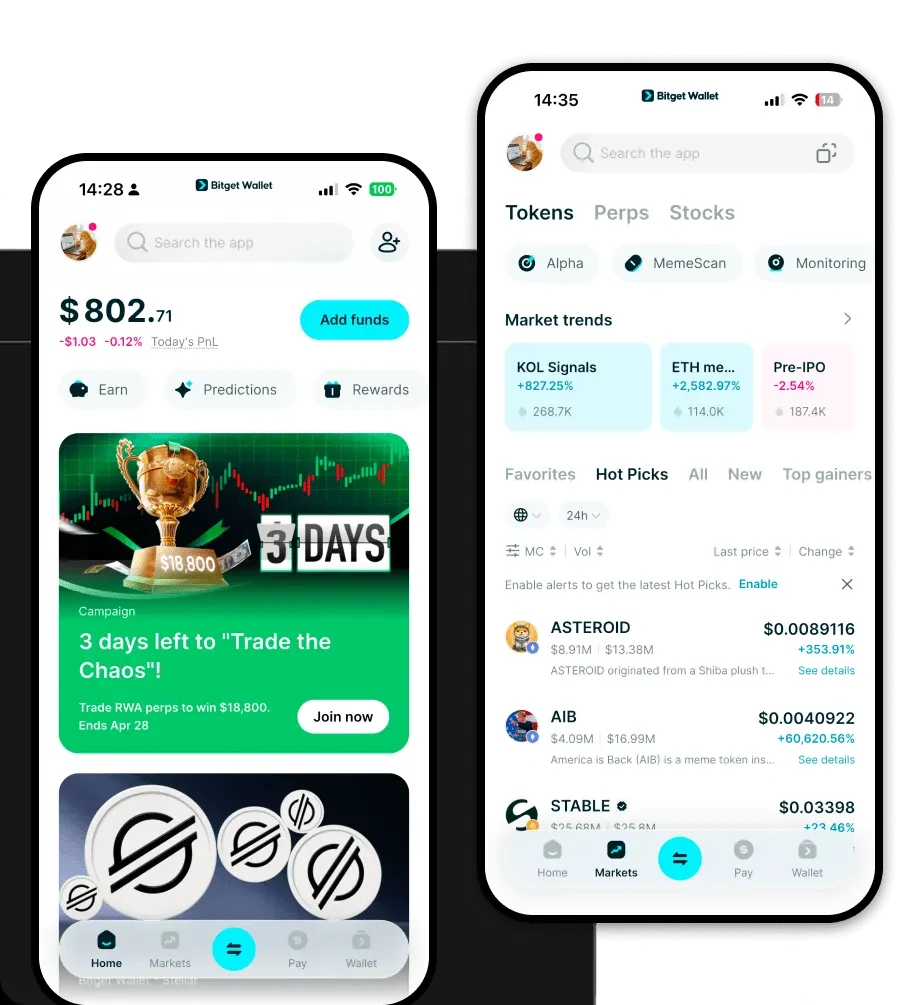
A Floatium wallet is a digital interface that allows you to securely interact with the Floatium token, which operates on the EVM (Ethereum Virtual Machine) blockchain ecosystem. Because Floatium is built on EVM-compatible architecture, it requires a wallet that natively supports smart contracts and decentralized application (dApp) interactions. Are you looking for a reliable and secure crypto wallet for your FLOATIUM? Bitget Wallet will be your best choice. Trusted by 40 million users, you can freely explore Web3 on Bitget Wallet. Start your journey now!
2. Download Bitget Floatium Wallet
Getting started with your digital assets requires a secure gateway that bridges the gap between your private keys and the vast DeFi landscape. Whether you are an experienced trader or just beginning your journey, you need a tool that offers full self-custody and multi-chain versatility. Bitget Wallet provides a seamless experience across iOS, Android, and browser extensions, ensuring that your Floatium remains under your total control. To get started, you can download Bitget Wallet and instantly gain access to a platform that supports over 130+ public chains and millions of tokens, giving you the freedom to manage your portfolio without restrictions.
3. Why Choose Bitget Floatium Wallet?
Choosing the right wallet for an EVM-based DeFi token like Floatium is critical for both security and efficiency. Bitget Wallet stands out by providing:
- EVM Ecosystem Optimization: Bitget Wallet offers seamless compatibility with Ethereum-based standards, ensuring that gas fee estimation, contract interaction, and token approvals are handled with precision and transparency.
- Robust DeFi Integration: With direct access to hundreds of DEXs and liquidity pools, the wallet simplifies the process of finding the best rates for Floatium swaps without leaving the app.
- Advanced Security Protocols: Backed by a $300 million User Protection Fund, the wallet provides institutional-grade security for your assets, mitigating risks associated with malicious smart contracts.
- Smart Contract Management: The wallet features an intuitive interface for viewing and managing your active smart contract approvals, which is essential for maintaining the security of your DeFi portfolio.
4. How to Create a Floatium Wallet
Creating your wallet is a straightforward process designed to prioritize your security. Follow these steps to set up your account:
- Download and Install: Visit the official website to download the Bitget Wallet app for your specific device (iOS, Android, or Browser Extension).
- Create a New Wallet: Open the app and select 'Create a Wallet.' You will be prompted to set a strong, unique password for the application.
- Secure Your Recovery Phrase: The app will generate a 12-word mnemonic phrase. Write this down on paper and store it in a secure, offline location; never share this with anyone, as it is the only way to recover your funds.
- Verify Your Setup: Follow the on-screen prompts to re-enter your recovery phrase to confirm that you have saved it correctly.
- Add Floatium: Once your wallet is initialized, use the 'Add Token' feature. Since Floatium is an EVM token, you can search for its contract address to import it into your dashboard, making it visible for transactions.
5. What Can You Do With a Floatium Wallet?
Once your Floatium is securely stored, Bitget Wallet unlocks a variety of DeFi utilities:
- Staking: You can participate in network validation or protocol-specific staking programs, allowing you to earn passive rewards directly through the wallet interface.
- Trading: Utilize the built-in swap feature to trade Floatium for other assets across multiple chains with minimal slippage and optimal liquidity.
- Yield Farming: Connect your wallet to various DeFi protocols to deposit your Floatium into liquidity pools, earning yields based on transaction fees and protocol incentives.
- Liquidity Provision: Actively provide liquidity to DEX pools, which helps maintain market stability for the token while you collect fees from other traders.
6. How Floatium Wallets Are Different from Other Crypto Wallets
The primary difference between using a specialized Web3 gateway like Bitget Wallet and a generic or exchange-based wallet lies in the underlying architecture. Because Floatium utilizes an EVM-compatible account model, it relies on gas fees to prioritize transactions on the blockchain. Unlike UTXO-based chains (like Bitcoin), which focus on unspent transaction outputs, EVM wallets must accurately calculate gas limits to ensure smart contract execution doesn't fail. Bitget Wallet excels here by providing real-time, accurate gas fee estimations, which are crucial for DeFi users who need their transactions to process quickly during periods of high network congestion. This performance-oriented approach makes it a far superior choice for active DeFi participants compared to simple, static storage wallets.
