





Chodo Cüzdanı Nedir?
Chodo cüzdanı, Chodo token'ının bulunduğu blok zinciri ağıyla etkileşime geçmek için tasarlanmış güvenli bir dijital arayüzdür. Özellikle EVM tabanlı bir varlık olarak Chodo, Ethereum Sanal Makinesi ekosistemi içinde çalışır ve ERC-20 standartlarını ve EVM uyumlu ağları destekleyen bir cüzdan gerektirir. Chodo, kullanıcıların Web3 ekosistemlerini keşfetmeleri için güvenilir bir arayüz sağlayan Bitget Cüzdan kullanılarak güvenli bir şekilde saklanabilen ve yönetilebilen bir kripto para token'ıdır.
Bitget Chodo Cüzdanını İndirin
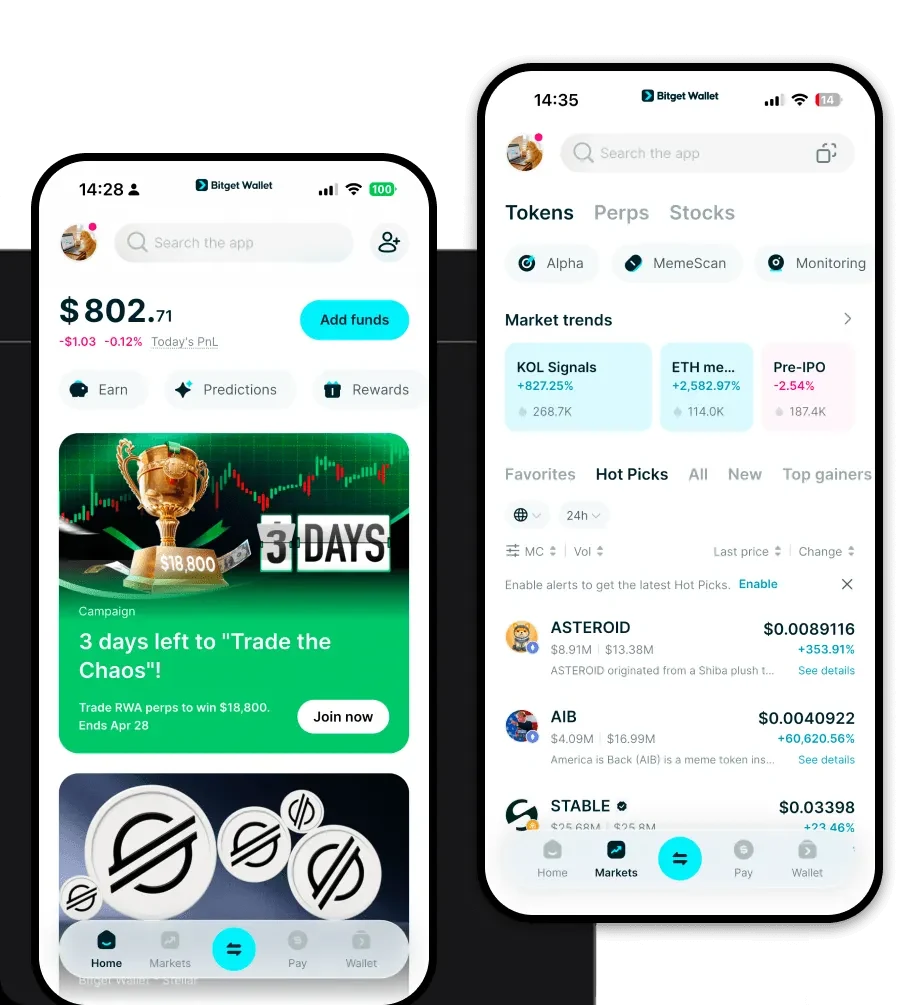
Dijital varlıklarınız için doğru evi bulmak çok önemlidir ve Bitget Cüzdan, Chodo sahipleri için birinci sınıf bir seçenek olarak öne çıkmaktadır. İster portföyünüzü hareket halindeyken yönetin, ister piyasa hareketlerini masaüstünüzden takip edin, bu uygulama sorunsuz bir deneyim sunar. Cüzdan, EVM varlıklarınızın her zaman erişilebilir olmasını sağlayan güçlü çoklu zincir desteğine sahiptir. Özel anahtarın kendi kendine saklanmasına odaklanarak, fonlarınız üzerinde tam kontrol sahibi olursunuz ve merkezi müdahaleden kurtulursunuz. İhtiyacınız olan her an ve her yerde Chodo token'larınızı yönetebilmeniz için özel iOS ve Android mobil uygulamalarının yanı sıra Chrome için kapsamlı bir tarayıcı uzantısı da dahil olmak üzere çeşitli platformlarda Bitget Cüzdanı kolayca indirebilirsiniz.
Neden Bitget Chodo Cüzdanını Seçmelisiniz?
- Yerel EVM Uyumluluğu: Özellikle Ethereum Sanal Makinesi için tasarlanan Bitget Cüzdan, Chodo akıllı sözleşmeleriyle sorunsuz etkileşim sağlayarak genel cüzdanlarda sıklıkla karşılaşılan uyumluluk sorunlarını en aza indirir.
- Gelişmiş DeFi Entegrasyonu: Chodo, EVM tabanlı bir meme token'ı olduğundan, Bitget Cüzdan merkeziyetsiz borsalara ve likidite havuzlarına sorunsuz erişim sunarak piyasa oynaklığına hızla tepki vermenizi sağlar.
- Gelişmiş Güvenlik Altyapısı: 300 milyon dolarlık kullanıcı koruma fonu ve MPC (Çok Taraflı Hesaplama) teknolojisi ile varlıklarınız yaygın güvenlik açıklarına karşı korunur.
- Topluluk Odaklılık: Cüzdan arayüzü, topluluk odaklı token'ları takip etmek için optimize edilmiştir; en son Chodo trendlerinden haberdar olmanızı sağlamak için gerçek zamanlı veriler ve bildirimler sunar.
- Zahmetsiz Token Yönetimi: Merkeziyetsiz dağıtımı yönetmek, tüm EVM zincirlerinde token bakiyelerinizi ve işlem geçmişinizi net bir şekilde görüntüleyen temiz bir kullanıcı arayüzü ile sezgisel hale gelir.
Nasıl Chodo Cüzdanı Oluşturulur?
Cüzdanınızı kurmak, blok zinciri için dakikalar içinde hazır olmanızı sağlayacak basit bir işlemdir:
- Uygulamayı Yükleyin: Bitget Cüzdan uygulamasını resmi web sitesinden veya cihazınızın uygulama mağazasından indirin.
- Yeni Bir Cüzdan Oluşturun: Uygulamayı açın ve 'Cüzdan Oluştur'u seçin. Cihazınız için güçlü bir şifre belirlemeniz istenecektir.
- Yedeğinizi Güvenli Hale Getirin: Uygulama 12 kelimelik bir anımsatıcı ifade oluşturacaktır. Bunu bir kağıda yazın ve güvenli bir şekilde saklayın; cihazınızı kaybetmeniz durumunda fonlarınızı kurtarmanın tek yolu budur.
- Anımsatıcıyı Doğrulayın: Doğru bir şekilde yedeklediğinizi onaylamak için istendiğinde anımsatıcı ifadenizi tekrar girin.
- Chodo'yu Ekleyin: Cüzdanınız aktif olduğunda token listesine gidin, gerekirse sözleşme adresini kullanarak 'Chodo'yu aratın ve bakiyenizi ve adresinizi görüntülemek için etkinleştirin.
Chodo Cüzdanı ile Neler Yapabilirsiniz?
Bir Chodo cüzdanı, sadece bir saklama kasasından fazlasıdır; ekosisteme aktif katılım için bir ağ geçididir. Cüzdanınızı şu şekillerde kullanabilirsiniz:
- Alım Satım: Chodo'nuzu mevcut en iyi piyasa fiyatlarıyla diğer varlıklarla değiştirmek için yerleşik DEX toplayıcıyı kullanarak aktif ticarete katılın.
- Spekülatif Tutma: Spekülatif varlıklarınızı borsa hack'lerinden korumak için cüzdanın saklama dışı (non-custodial) özelliklerinden yararlanarak token'larınızı uzun vadeli güvenli bir şekilde saklayın.
- Topluluk Katılımı: Cüzdanınızı, Chodo sahiplerinin projenin geleceğini tartışmak için bir araya geldiği topluluk yönetişim portallarına veya merkeziyetsiz forumlara bağlanmak için kullanın.
- Token Takası: Chodo'yu farklı EVM uyumlu ağlar arasında sorunsuz bir şekilde diğer token'larla takas etmek için cüzdan içindeki zincirler arası köprü (bridge) özelliklerinden yararlanın.
Chodo Cüzdanları Diğer Kripto Cüzdanlardan Nasıl Farklıdır?
Chodo gibi EVM tabanlı token'larla işlem yaparken, cüzdan mimarisi büyük önem taşır. Harcanmamış işlem çıktılarına odaklanan UTXO tabanlı zincirler (Bitcoin gibi) için tasarlanan cüzdanların aksine, bir Chodo cüzdanı EVM'nin doğasında bulunan hesap tabanlı modeli kullanır. Bu, cüzdanın gas ücretlerini verimli bir şekilde yönetmesi gerektiği ve yüksek ağ yoğunluğu sırasında bile işlemlerinizin gerçekleşmesini sağlamak için işlem önceliğinizi ayarlamanıza olanak tanıdığı anlamına gelir. Ayrıca, bazı cüzdanlar temel depolamaya öncelik verirken, özel bir Chodo cüzdanı, gas maliyetlerini yönetmenize ve akıllı sözleşmelerle standart, basitleştirilmiş cüzdan çözümlerinden daha sezgisel bir şekilde etkileşime girmenize olanak tanıyan DeFi protokolleriyle daha derin entegrasyon sunarak daha rafine bir deneyim sağlar.
