





What is an AEZ Wallet?
An AEZ wallet refers to a digital storage solution specifically designed to hold, manage, and interact with AEZ, a critical crypto asset within the infrastructure ecosystem. AEZ is a crypto asset supported by Bitget Wallet, a platform trusted by 40 million users. It serves as a secure digital asset for users to explore Web3 ecosystems, trade, and manage their portfolio within the Bitget Wallet environment. Because AEZ functions as an infrastructure-level asset, having a reliable wallet is essential for maintaining control over your holdings while engaging with broader decentralized networks.
Unlike custodial exchanges where your assets are held by a third party, an AEZ wallet provides you with full ownership of your private keys. This means you have total control over your digital assets, allowing for permissionless interaction with decentralized applications (dApps) and various cross-chain protocols. Whether you are holding AEZ for long-term investment or actively trading, the wallet serves as your personal gateway to the Web3 world.
Download Bitget AEZ Wallet
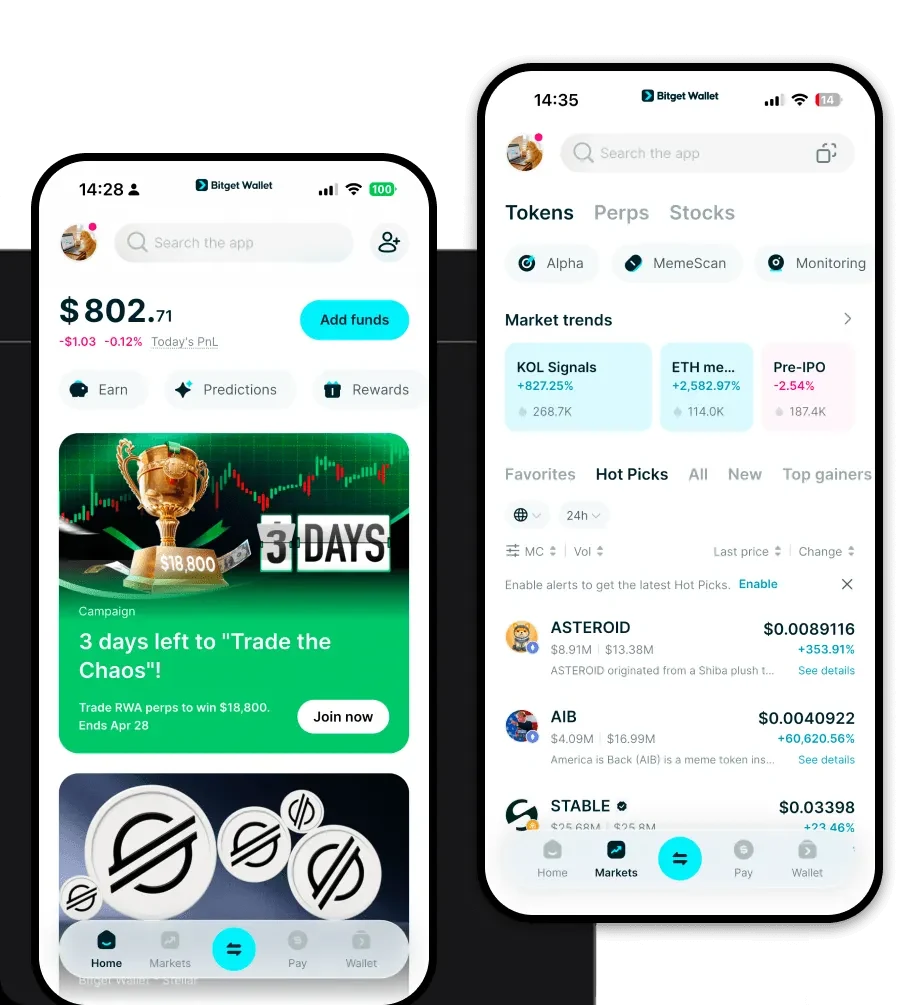
To begin your journey, you need a reliable AEZ wallet app that balances security with ease of use. Bitget Wallet stands out as a top-tier choice for managing AEZ, offering a seamless interface for both mobile and desktop users. By choosing to download Bitget Wallet, you gain access to a robust ecosystem that supports thousands of assets across over 130 public blockchains.
The Bitget Wallet app is designed for everyone, from beginners to experienced DeFi power users. It offers: Non-custodial management, ensuring that you—and only you—hold the private keys to your AEZ. Multi-chain compatibility, allowing you to manage diverse portfolios in one place. Cross-platform support, with intuitive versions available for iOS, Android, and web browser extensions. This versatility ensures that you can manage your AEZ wallet address and perform transactions regardless of your device or location.
Why Choose Bitget AEZ Wallet?
Choosing the right wallet for your infrastructure assets is a critical decision. Bitget Wallet provides specific advantages for AEZ holders that go beyond simple storage:
- Cross-Chain Interoperability: As an infra-focused asset, AEZ often requires moving across different networks. Bitget Wallet aggregates hundreds of DEXs and cross-chain bridges, allowing you to swap and move assets with minimal friction.
- Secure Asset Management: With a 300 million USD user protection fund, Bitget Wallet provides an extra layer of security, safeguarding your AEZ against potential platform vulnerabilities.
- Web3 Ecosystem Integration: The integrated DApp browser allows you to connect your AEZ wallet directly to the latest infrastructure protocols, governance platforms, and staking pools without exposing your keys to malicious sites.
- High Liquidity Access: By aggregating liquidity from various sources, the wallet ensures that when you trade AEZ, you get the best possible rates and execution speeds, reducing slippage.
- Non-Custodial Control: You retain complete custody of your assets, ensuring that your AEZ remains under your control, free from the risks associated with centralized exchange failures.
How to Create an AEZ Wallet
Setting up your AEZ wallet is a straightforward process designed to prioritize your security from the first moment. Follow these steps to get started:
Step 1: Download the App. Visit the official website to download Bitget Wallet on your preferred device (iOS, Android, or Browser Extension).
Step 2: Initialize Your Wallet. Open the app and select 'Create a New Wallet'. You will be asked to set a strong, unique password for the app itself.
Step 3: Backup Your Mnemonic Phrase. The wallet will generate a 12-to-24-word recovery phrase. Write this down on paper and store it in a secure, offline location. Never share this phrase with anyone.
Step 4: Verify Your Backup. You will be prompted to re-enter the words to confirm they were recorded correctly.
Step 5: Locate Your AEZ Wallet Address. Once initialized, navigate to the asset list, search for AEZ, and click 'Receive' to view your unique AEZ wallet address. You can now use this to deposit funds from exchanges or other wallets.
What Can You Do With an AEZ Wallet?
A high-quality wallet for infrastructure assets like AEZ must provide more than just storage. Here is how you can utilize your wallet:
- Asset Holding: You can utilize the wallet for long-term secure storage of your AEZ, keeping your assets offline and away from exchange-related risks.
- Cross-Chain Trading: You can engage in seamless cross-chain trading, moving AEZ across different networks or swapping it for other tokens without needing to bridge assets manually through third-party sites.
- Portfolio Management: The built-in dashboard allows for comprehensive portfolio management, where you can track your AEZ holdings, monitor value changes, and view transaction history in real-time.
- Web3 dApp Interaction: You can utilize the wallet to connect to Web3 dApp interaction platforms, allowing you to participate in governance, staking, or liquidity provision protocols directly.
- Secure Storage: By leveraging the non-custodial nature of the wallet, you ensure secure storage of your assets, providing peace of mind that your AEZ is protected by your private keys.
How AEZ Wallets Are Different from Other Crypto Wallets
Not all wallets are built the same, especially when dealing with infrastructure assets like AEZ. Many standard wallets are locked into a single ecosystem (e.g., only Ethereum or only Solana), which limits your ability to interact with the broader Web3 landscape. Bitget Wallet acts as a truly chain-agnostic tool.
While some wallets rely on outdated interfaces that make it difficult to manage complex infrastructure tokens, Bitget Wallet focuses on a high-liquidity, multi-chain approach. Unlike custodial wallets that hold your assets for you, Bitget Wallet ensures your private keys never leave your device. Furthermore, the integration of advanced cross-chain bridging technology means that the 'best wallet for AEZ' isn't just a place to store tokens—it is an active tool for navigating the multi-chain future, ensuring you are not restricted by the limitations of a single blockchain network.
