





What is a JIC Wallet?
A JIC wallet is a specialized digital interface designed to interact with the JIC token within the EVM (Ethereum Virtual Machine) ecosystem. Because JIC operates on an EVM-compatible chain, it requires a wallet that can seamlessly interpret smart contract interactions, manage gas fees, and display asset balances across decentralized applications. JIC is a cryptocurrency asset supported by Bitget Wallet, a platform trusted by 40 million users, allowing for secure storage, management, and Web3 exploration. By utilizing a wallet specifically optimized for EVM chains, you ensure that your JIC tokens are not only stored securely but are also ready to be deployed across the vast landscape of decentralized finance.
Download Bitget JIC Wallet
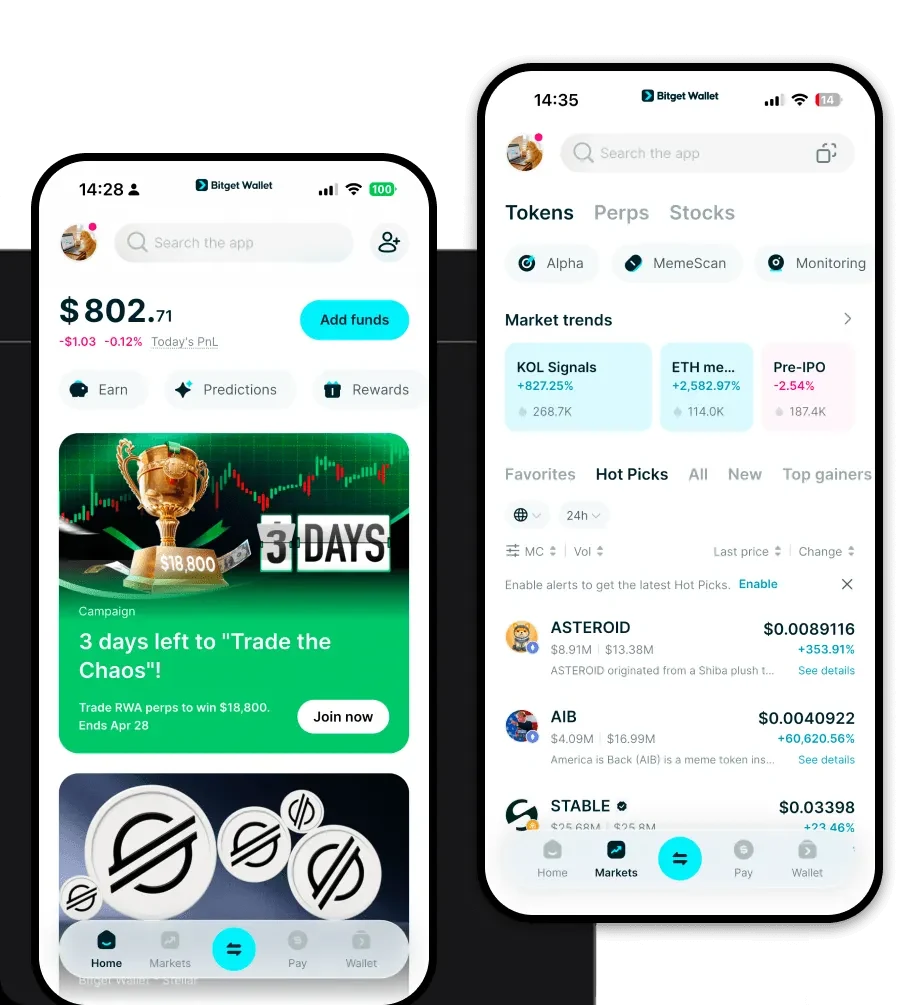
To begin managing your JIC tokens effectively, you need a robust, non-custodial solution that puts you in total control of your private keys. The Bitget Wallet offers a comprehensive suite of tools designed for both beginners and advanced DeFi users. It provides full support for decentralized asset management, allowing you to import or create wallets across multiple chains effortlessly. Whether you are using a desktop browser to interact with DApps or need a mobile app for on-the-go access, Bitget Wallet is available on iOS, Android, and as a browser extension. To get started, you can download Bitget Wallet and instantly gain access to a secure, user-friendly environment for all your EVM-based assets.
Why Choose Bitget JIC Wallet?
Choosing the right wallet for JIC is critical in the DeFi space, where interoperability and security determine your success. Bitget Wallet stands out for several key reasons:
- Seamless EVM Compatibility: Designed specifically for EVM chains, the wallet ensures that interacting with JIC-related smart contracts is smooth, error-free, and highly intuitive.
- High Interoperability: Effortlessly bridge your assets and interact with hundreds of decentralized exchanges, ensuring your JIC tokens are never siloed on a single platform.
- Robust Security Protocols: With a dedicated 300 million USD user protection fund and non-custodial architecture, your private keys remain exclusively in your hands, protecting you from centralized points of failure.
- Advanced Portfolio Management: Built-in analytics tools allow you to track your JIC holdings, monitor DeFi yields, and manage complex cross-chain portfolios from a single, unified dashboard.
How to Create a JIC Wallet
Setting up your JIC wallet within the Bitget ecosystem is a straightforward process designed to prioritize your security. Follow these steps to get started:
- Install the App: Download the Bitget Wallet app from the official website or your device's app store.
- Create a New Wallet: Open the app and select 'Create Wallet'. Ensure you are in a private environment where no one can see your screen.
- Backup Your Mnemonic Phrase: Write down your 12-word recovery phrase on paper and store it in a secure, offline location. Never take a screenshot of this phrase.
- Verify Phrase: Input the phrase as prompted to confirm you have backed it up correctly. This establishes your ownership of the wallet address.
- Add JIC Token: Once your wallet is set up, go to the 'Add Token' section, search for 'JIC', and toggle it on to make it visible on your home screen.
What Can You Do With a JIC Wallet?
Holding JIC in a powerful, DeFi-native wallet unlocks numerous opportunities. Here is how you can maximize your assets:
- Trading: Use the built-in DEX aggregator to swap JIC for other tokens at the best available market rates without leaving your wallet.
- Holding: Keep your JIC assets in a secure, non-custodial environment where you maintain full ownership and control over your keys, away from exchange risks.
- Staking: Participate in liquidity pools or staking protocols directly through the DApp browser to earn yield on your idle JIC holdings.
- Portfolio Management: Utilize the comprehensive asset tracking interface to monitor your JIC balance, transaction history, and overall DeFi performance in real-time.
How JIC Wallets Are Different from Other Crypto Wallets
When dealing with JIC and the EVM ecosystem, the underlying architecture of your wallet matters significantly compared to non-EVM chains. Unlike Bitcoin wallets that rely on the UTXO (Unspent Transaction Output) model, a JIC wallet uses the Account Model, which simplifies the process of interacting with complex smart contracts and DeFi protocols. While UTXO wallets are excellent for simple peer-to-peer transfers, they often struggle with the logic required for yield farming or liquidity provision. Furthermore, because JIC operates on EVM chains, your wallet must be optimized for gas fee estimation—a critical feature that prevents failed transactions during high network congestion. By using a specialized wallet like Bitget, you benefit from speed and efficiency that general-purpose wallets often lack, ensuring your DeFi activities remain profitable and seamless.
