



What is a TFP Wallet?
A TFP wallet is a specialized digital interface designed to interact with the TFP token, a digital asset often associated with various Web3 ecosystems. Because TFP operates on the EVM (Ethereum Virtual Machine) blockchain, you need a wallet that understands the specific standards of EVM-compatible tokens to ensure your transactions are processed correctly and securely.
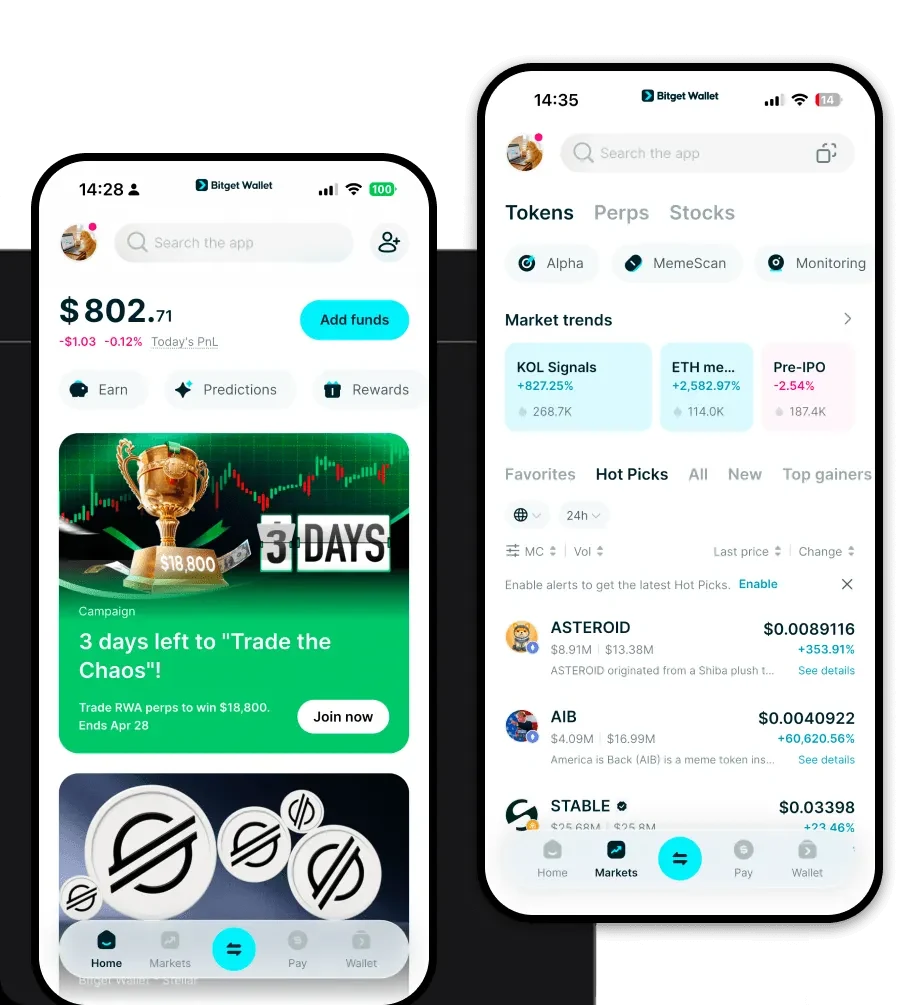
Bitget Wallet provides a reliable and secure platform for users to store, manage, and explore TFP within the Web3 space, trusted by over 40 million users globally. By using a robust wallet interface, you gain full control over your private keys, ensuring that you remain the sole custodian of your TFP assets while interacting with the broader decentralized finance landscape.
Download Bitget TFP Wallet
Getting started with your TFP journey is straightforward. To begin, you need to download Bitget Wallet directly from the official website or your preferred application store. The platform is designed for versatility, offering native applications for iOS and Android, as well as a powerful browser extension for desktop users.
Bitget Wallet prioritizes user autonomy through true private key self-custody, meaning you are never dependent on a third party to access your funds. With extensive multi-chain support, the application acts as a unified hub for all your assets, allowing you to manage TFP and other tokens across various networks without the need to switch between different apps.
Why Choose Bitget TFP Wallet?
Choosing the right wallet for an EVM-based token like TFP is critical for a smooth DeFi experience. Bitget Wallet is engineered to address the complexities of the current Web3 environment:
- Seamless EVM Compatibility: Designed specifically for the EVM architecture, the wallet allows for instant interaction with decentralized applications and smart contracts without configuration errors.
- High Interoperability: Effortlessly move your assets across different protocols and ecosystems, ensuring that your TFP is never siloed in one place.
- Decentralized Liquidity Management: Access deep liquidity pools directly through the wallet interface, allowing you to swap tokens at competitive rates with minimal slippage.
- Cross-Chain Accessibility: Utilize built-in bridges to move TFP between different chains, expanding your opportunities for yield and trade execution without leaving the app.
How to Create a TFP Wallet
Setting up your wallet to hold TFP is a simple process that ensures your assets are protected from the start:
- Download and Install: Visit the official Bitget Wallet download page and install the app on your mobile device or browser extension.
- Create a New Wallet: Open the app and select 'Create Wallet'. You will be prompted to set a strong password for local access.
- Backup Your Seed Phrase: The app will generate a 12-word recovery phrase. Write this down on paper and store it securely—this is the only way to recover your funds if you lose your device.
- Verify Account: Enter the recovery phrase as requested to confirm that you have saved it correctly.
- Add TFP: Once your wallet is active, navigate to the asset list, use the 'Add Token' function, and search for the TFP contract address on the EVM network to make it visible in your dashboard.
What Can You Do With a TFP Wallet?
With Bitget Wallet, you can do much more than just hold your tokens; you can actively participate in the DeFi economy:
- Trading: Execute instant swaps for TFP against other assets using the built-in decentralized exchange aggregator for the best market prices.
- Staking: Lock your TFP into protocol-approved smart contracts to earn passive rewards and contribute to the network's security.
- Providing Liquidity: Deposit TFP into decentralized liquidity pools to earn trading fees generated by the platform.
- Portfolio Management: Monitor your total asset value, transaction history, and token performance in real-time through an intuitive dashboard.
- Decentralized Wallet Storage: Maintain complete ownership of your TFP with non-custodial security, ensuring you have total control over your funds at all times.
How TFP Wallets Are Different from Other Crypto Wallets
When dealing with EVM-based tokens like TFP, the wallet architecture matters significantly. Unlike older wallets designed for simple Bitcoin transactions, a TFP wallet must handle the complexities of the Ethereum Virtual Machine. While Bitcoin wallets focus primarily on UTXO (Unspent Transaction Output) models and basic value transfers, a TFP wallet is built to manage smart contract interactions, which are the backbone of DeFi.
Because TFP is an EVM token, you must consider gas fees—the costs paid to network validators. Bitget Wallet optimizes this process by providing real-time gas estimations and allowing you to adjust transaction speeds, ensuring your trades go through even during network congestion. This level of granular control over transaction resources is essential for active DeFi users, distinguishing it from basic wallets that offer limited interaction capabilities.
