





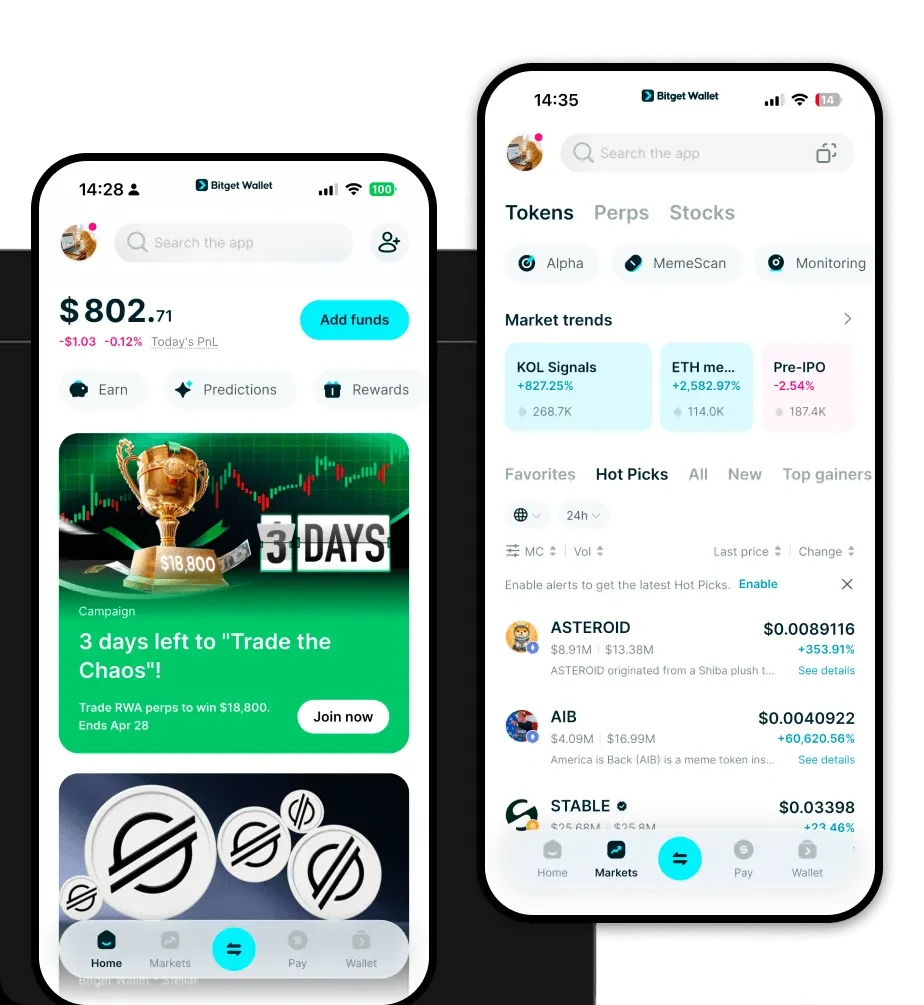
1. What is an MCC Wallet?
An MCC wallet is a digital interface designed to interact with the Multi-Chain Capital (MCC) token, which operates primarily on the EVM (Ethereum Virtual Machine) ecosystem. MCC (Multi-Chain Capital) is a token often associated with yield-generating protocols or community-driven investment funds, though market data for specific 'MCC' tokens can be volatile and varied. Bitget Wallet provides a reliable and secure platform to store and manage your MCC assets, allowing users to explore Web3 opportunities seamlessly. Because it functions within the EVM framework, an MCC wallet must be capable of handling smart contract interactions, tracking gas fees, and connecting to decentralized applications (dApps) that facilitate yield generation and treasury management.
2. Download Bitget MCC Wallet
To start managing your assets, you need a robust, self-custodial solution. You can download Bitget Wallet to experience a professional-grade gateway to the decentralized web. Bitget Wallet stands out because it offers full ownership of your private keys, ensuring you are the sole controller of your MCC tokens. Whether you are using an iPhone, an Android device, or a desktop browser, the application provides a unified interface. It supports over 130+ blockchains, allowing you to manage your MCC alongside other assets without switching between multiple apps. By choosing Bitget Wallet, you are opting for a platform that prioritizes user sovereignty while maintaining a high standard of accessibility for newcomers and experts alike.
3. Why Choose Bitget MCC Wallet?
Choosing the right wallet is critical when dealing with DeFi tokens like MCC. Here is why Bitget Wallet is the preferred choice for EVM-based assets:
- Native EVM Compatibility: Bitget Wallet is built to handle the complexities of the Ethereum ecosystem, ensuring that your MCC transactions are processed with precision and that you can easily connect to any dApp.
- Advanced Yield Generation Mechanics: The wallet interface is optimized for users participating in yield-generating protocols, making it easier to track your rewards and pool performance.
- Decentralized Treasury Management: With integrated tools for managing complex DeFi positions, the wallet allows you to oversee treasury-based tokens and governance structures directly from your dashboard.
- Seamless Cross-Chain Interoperability: If your investment strategy involves moving assets across different chains, Bitget Wallet’s built-in bridges allow you to perform cross-chain swaps without leaving the application.
4. How to Create an MCC Wallet
Setting up your wallet is a straightforward process designed to prioritize your security. Follow these steps to get started:
1. Download and Install: Visit the official website to download the Bitget Wallet app for your specific mobile or desktop operating system.
2. Create a New Wallet: Open the app and select 'Create a New Wallet.' The system will generate a unique recovery phrase—this is your master key.
3. Secure Your Recovery Phrase: Write down your 12-word recovery phrase on paper and store it in a secure, offline location. Never share this with anyone, as it is the only way to recover your MCC wallet.
4. Verify Your Backup: The app will prompt you to re-enter your recovery phrase to ensure you have saved it correctly, confirming you are ready to receive funds.
5. Add MCC to Your Assets: Use the token search function to locate the MCC contract address on the EVM chain and add it to your visible token list.
5. What Can You Do With an MCC Wallet?
With an MCC-enabled wallet, you unlock the full potential of DeFi. Here are the primary use cases:
- Staking for Rewards: Lock your MCC tokens into smart contracts via your wallet to earn passive yield, allowing your holdings to grow over time.
- Liquidity Provision: Contribute your MCC to decentralized exchange liquidity pools, enabling others to trade while you earn a portion of the transaction fees.
- Yield Farming: Deploy your assets into various yield farming protocols to maximize your capital efficiency and secure higher APY on your investments.
- Governance Voting: Use your MCC holdings to participate in decentralized treasury management, casting votes on proposals that shape the future of the project.
- Portfolio Diversification: Easily swap MCC for other tokens or stablecoins within the wallet to balance your risk and exposure across different market sectors.
6. How MCC Wallets Are Different from Other Crypto Wallets
Not all wallets are created equal, especially when dealing with the EVM ecosystem. Unlike basic wallets that simply store balances, an MCC wallet on the Bitget platform is optimized for the 'Account Model' used by EVM chains. This means the wallet is specifically designed to handle 'Gas'—the fee paid to miners/validators to process your smart contract interactions. Unlike UTXO-based wallets (used by Bitcoin) which focus on unspent transaction outputs, an MCC wallet focuses on maintaining a stateful balance, allowing for complex dApp interactions like yield farming and governance. Furthermore, the Bitget Wallet provides a superior UX by calculating gas fees in real-time, preventing transaction failures that are common in more primitive wallet applications.
