





What is an IBR Wallet?
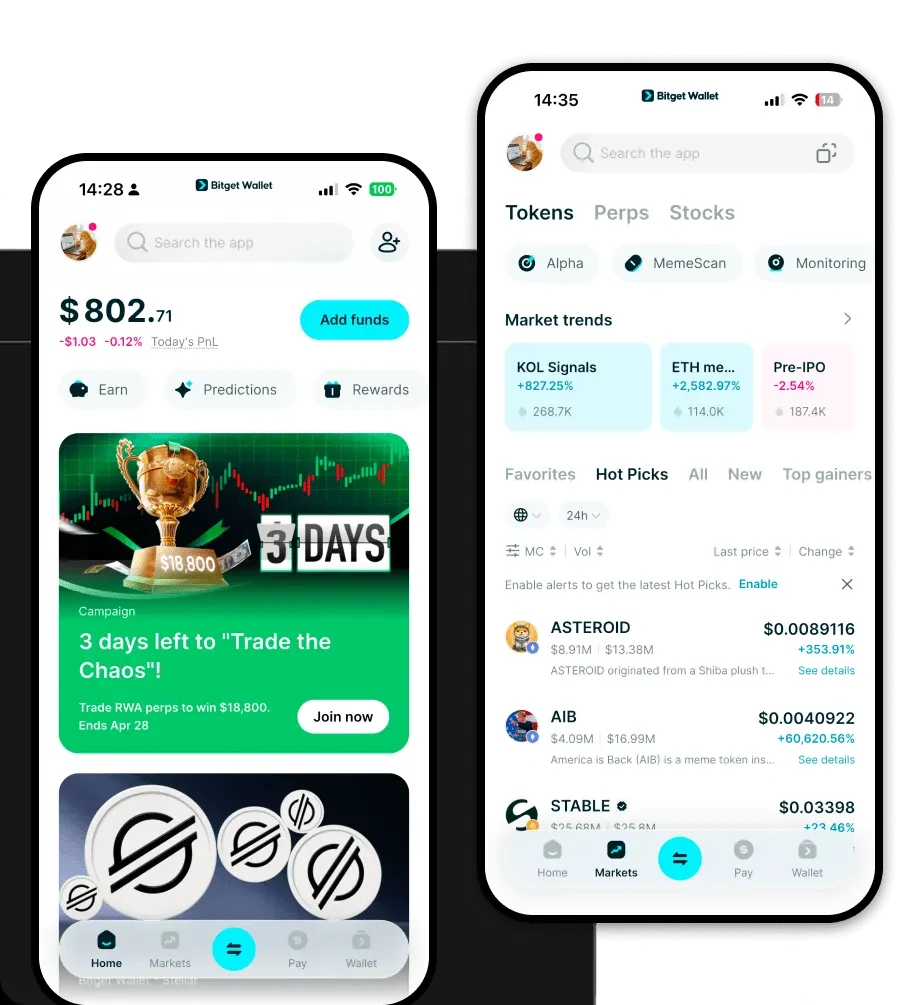
An IBR wallet is a digital interface designed to facilitate the storage, management, and interaction of IBR tokens, which operate primarily within the EVM (Ethereum Virtual Machine) ecosystem. Because IBR is built on EVM-compatible infrastructure, it requires a wallet that can effectively communicate with smart contracts and decentralized applications (dApps) across the Ethereum network and its various Layer 2 solutions. Are you looking for a reliable and secure crypto wallet for your IBR? Bitget Wallet will be your best choice. Trusted by 40 million users, you can freely explore Web3 on Bitget Wallet. Start your journey now! This wallet acts as your gateway to the DeFi ecosystem, allowing you to interact with the broader EVM landscape while maintaining full control over your private keys.
Download Bitget IBR Wallet
Getting started with your IBR assets requires a robust, self-custodial solution that prioritizes both security and user experience. To begin, you should download Bitget Wallet, which is available as a secure application for both iOS and Android, as well as a powerful browser extension. Unlike centralized exchanges, Bitget Wallet provides true self-custody, meaning you hold the keys to your assets at all times. Its architecture supports multi-chain interoperability, ensuring that your IBR tokens are accessible alongside other major assets in a unified, intuitive dashboard that simplifies the complexities of Web3.
Why Choose Bitget IBR Wallet?
Selecting the best wallet for IBR depends on your need for deep integration with the DeFi ecosystem. Bitget Wallet stands out for several key reasons:
- EVM Compatibility: Designed specifically for the Ethereum Virtual Machine, it ensures seamless interaction with all IBR-related smart contracts without compatibility issues.
- Advanced Asset Management: Users benefit from a clean, secure asset management interface that tracks IBR balances and transaction history in real-time.
- Decentralized Liquidity: The wallet aggregates various decentralized exchanges, providing you with the best rates and deep liquidity for your IBR trading activities.
- Smart Contract Integration: Effortlessly connect to complex DeFi protocols, lending platforms, and yield aggregators directly through the built-in DApp browser.
- Cross-Chain Interoperability: Easily bridge your IBR tokens across different chains, allowing for flexible asset deployment and interaction with other ecosystems.
How to Create an IBR Wallet
Setting up your IBR wallet is a straightforward process designed to maximize security from the very first moment:
- Install the App: Download Bitget Wallet from the official website or your app store.
- Initialize Your Wallet: Open the app and select 'Create a New Wallet' to generate a unique set of recovery phrases.
- Secure Your Backup: Write down your mnemonic phrase on paper and store it in a safe, offline location; never share this with anyone.
- Verify Setup: Confirm your recovery phrase within the app to ensure your backup is accurate.
- Add IBR Asset: Once your wallet is active, search for the IBR token contract address to import it, making your balance visible on the main dashboard.
What Can You Do With an IBR Wallet?
Using a dedicated wallet for your IBR tokens unlocks the full potential of your assets in the DeFi space:
- Trading: You can execute rapid swaps of IBR for other tokens directly through integrated DEX aggregators within the wallet.
- Staking: By connecting your wallet to authorized DeFi platforms, you can participate in staking to earn passive yields on your IBR holdings.
- Providing Liquidity: You can deposit your IBR into decentralized liquidity pools to earn trading fees and contribute to the health of the ecosystem.
- Governance Voting: Your IBR wallet allows you to sign transactions to participate in DAO governance, letting you vote on proposals that shape the future of the project.
- Cross-chain Bridging: You can utilize the built-in bridging tools to move your IBR tokens between different EVM-compatible chains, maximizing your utility across the multi-chain landscape.
How IBR Wallets Are Different from Other Crypto Wallets
The distinction between a standard wallet and an IBR-optimized wallet like Bitget lies in the underlying architecture. While some wallets are designed for simple storage, an EVM-focused wallet is built to handle the complexities of smart contract interactions, which are essential for IBR operations. Unlike wallets designed for UTXO-based chains (like Bitcoin), which focus primarily on transaction history and address balances, an EVM wallet manages 'state.' This means it is optimized for gas fee estimation, contract interaction, and the high-speed execution required for DeFi. Furthermore, Bitget Wallet optimizes for the specific resource needs of EVM chains, ensuring that your transactions are processed quickly and cost-effectively, even during periods of high network congestion.
