



What is a GLUB Wallet?
A GLUB wallet is a digital tool designed to interact with the GLUB token, which operates on the EVM (Ethereum Virtual Machine) blockchain. Because GLUB is built on EVM architecture, it requires a wallet that supports Ethereum-based standards to ensure compatibility with various decentralized applications and protocols. GLUB is a cryptocurrency asset that can be securely stored and managed using Bitget Wallet. It operates within the Web3 ecosystem, allowing users to explore decentralized finance and digital asset management through a trusted wallet platform. By utilizing a compatible wallet, users can interact directly with smart contracts, manage their token balances, and participate in the broader decentralized economy surrounding the GLUB token.
Download Bitget GLUB Wallet
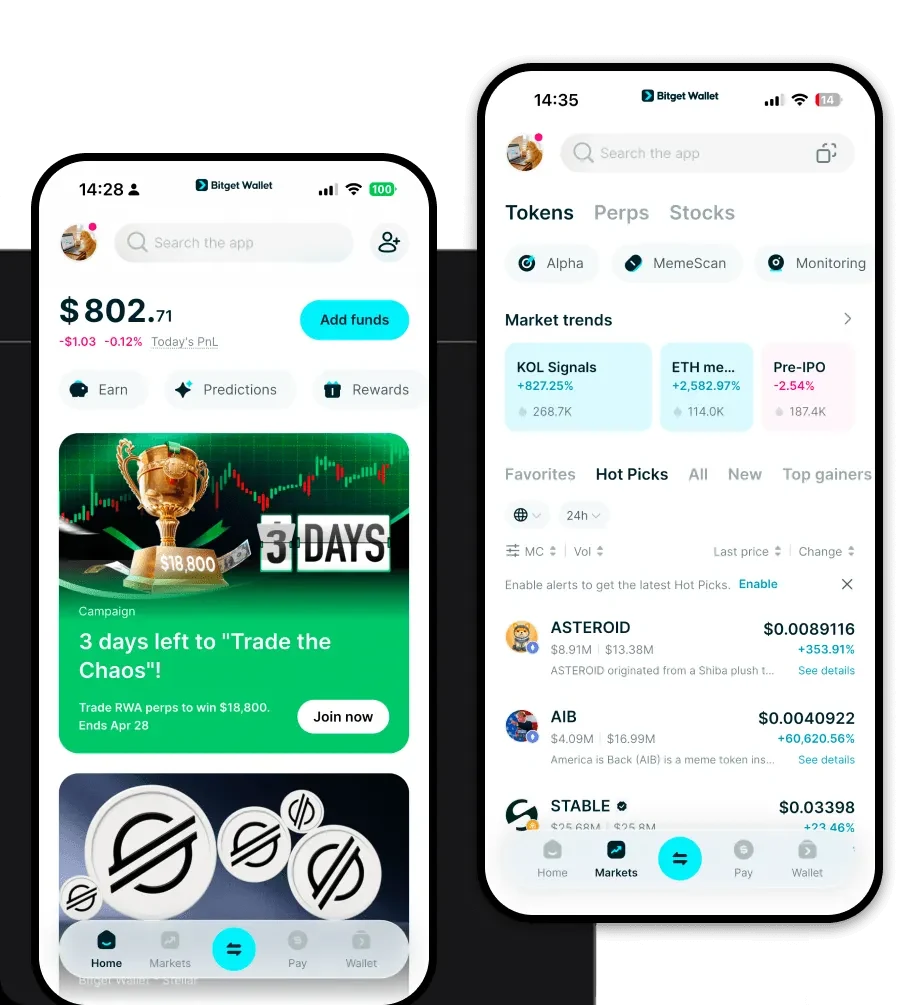
To start managing your assets, you need an application that is both user-friendly and robust. The Bitget Wallet app provides a seamless experience for those looking to engage with the Web3 space. It offers comprehensive multi-chain support, ensuring you can manage not just your GLUB holdings but also a wide array of other assets across various networks. With a focus on self-custody, Bitget Wallet ensures that you maintain full control over your private keys, which is paramount for security in the crypto space. Whether you are using an iOS device, an Android smartphone, or a desktop browser extension, the platform is designed to be accessible. You can download Bitget Wallet to experience a professional-grade interface that simplifies complex blockchain interactions.
Why Choose Bitget GLUB Wallet?
Choosing the right wallet for a volatile, community-driven asset like GLUB is essential. Bitget Wallet stands out for several specific reasons:
- EVM Compatibility: As a native EVM-compatible wallet, it allows for instant connectivity to decentralized exchanges and protocols where GLUB is traded, without the need for complex network configurations.
- Advanced Security Infrastructure: With a dedicated $300 million user protection fund, Bitget Wallet provides an extra layer of defense against malicious actors, which is particularly important when dealing with high-volatility assets.
- Seamless DEX Aggregation: The wallet aggregates hundreds of liquidity sources, ensuring that when you trade GLUB, you are tapping into optimal price discovery and minimal slippage.
- Intuitive Interface for Meme Assets: Navigating community-driven ecosystems requires speed and clarity; the wallet is designed to help users track trending assets and manage high-volatility portfolios efficiently.
How to Create a GLUB Wallet
Getting started with Bitget Wallet to store your GLUB tokens is a straightforward process:
1. Download and Install: Visit the official website or your app store to install the Bitget Wallet application on your device.2. Initialize Your Wallet: Open the app and select 'Create a New Wallet.' You will be prompted to set a strong password for local access.3. Secure Your Seed Phrase: The app will generate a 12-word recovery phrase. Write this down on paper and store it securely; never share it with anyone.4. Verify the Phrase: Follow the in-app instructions to confirm your recovery phrase to ensure you have backed it up correctly.5. Add GLUB Token: Once your wallet is active, use the 'Add Token' feature. Since GLUB is on the EVM chain, you can easily import it by searching for its contract address or selecting it from the supported token list.
What Can You Do With a GLUB Wallet?
Once your wallet is set up, you can fully participate in the GLUB ecosystem. Here are the primary use cases:
- Trading: You can actively swap GLUB for other tokens directly within the wallet interface using the integrated DEX aggregator.
- Speculative Investment: As a high-volatility asset, you can use the wallet to track your portfolio's performance in real-time, allowing for timely market decisions.
- Holding: You can securely store your GLUB tokens in your self-custody wallet, keeping your assets safe from centralized exchange risks.
- Providing Liquidity in DEX: You can connect your wallet to decentralized exchanges to provide liquidity for GLUB trading pairs, potentially earning transaction fees in return.
How GLUB Wallets Are Different from Other Crypto Wallets
Unlike wallets designed for UTXO-based chains like Bitcoin, a GLUB wallet operating on the EVM model utilizes an account-based system. This distinction is crucial for how you interact with the network. While UTXO wallets track unspent transaction outputs, your GLUB wallet tracks balances associated with a specific address, making it highly efficient for executing complex smart contracts. Furthermore, because it is an EVM wallet, it requires you to manage gas fees—the transaction costs paid to network validators. Unlike chains that might use different resource models for CPU or storage, the EVM model focuses on gas optimization, and Bitget Wallet helps you estimate these fees in advance, ensuring your transactions are processed smoothly without unexpected costs.
