





What is a GBLI Wallet?
A GBLI wallet is a specialized digital interface designed to interact with the GBLI token, which operates primarily on the EVM (Ethereum Virtual Machine) blockchain. Because GBLI functions within the EVM ecosystem, it requires a wallet that can interpret smart contracts and manage tokens compatible with Ethereum-based standards. GBLI is a digital asset accessible via Bitget Wallet, a secure and reliable crypto wallet trusted by 40 million users for exploring the Web3 ecosystem. By using a compatible wallet, you bridge the gap between simple asset storage and the complex, decentralized world of DeFi.
Download Bitget GBLI Wallet
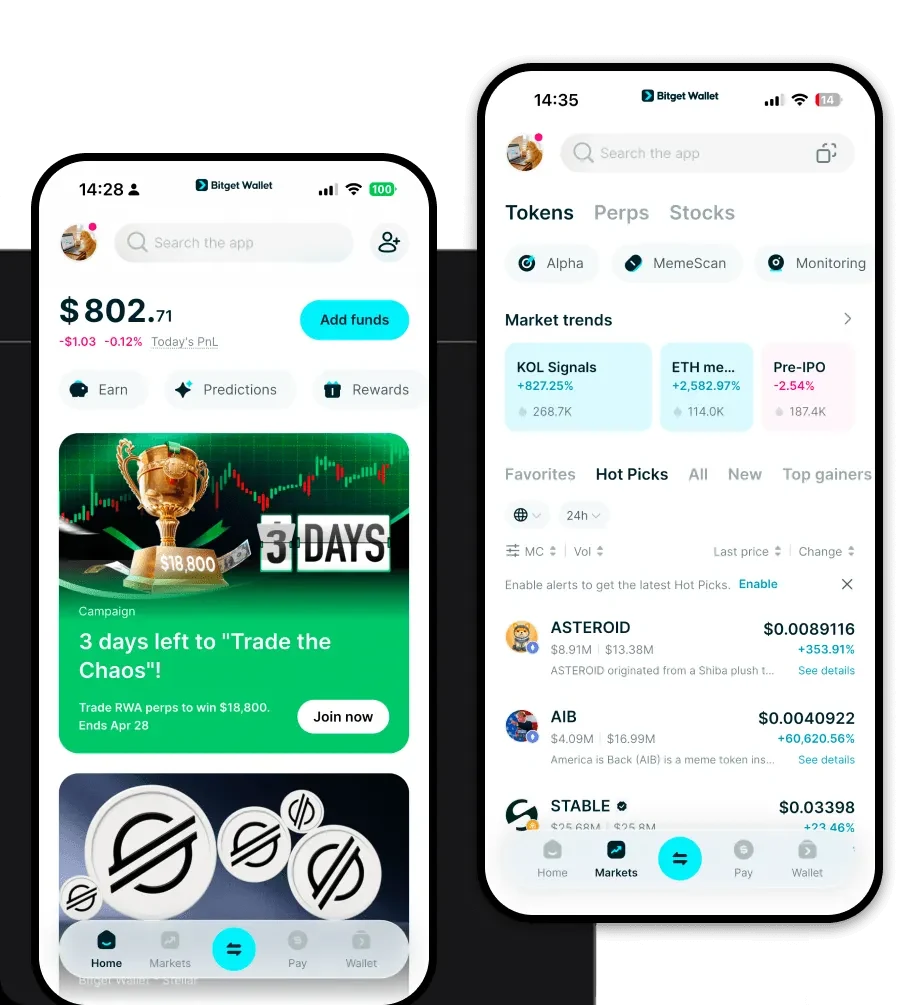
To start your journey with GBLI, you need a robust gateway that simplifies the complexities of the blockchain. The Bitget Wallet app is designed for users who value both security and accessibility. Whether you are on the go or at your desk, you can access your assets seamlessly through iOS, Android, or the browser extension. The platform provides full self-custody over your private keys, ensuring you remain the sole owner of your funds. It also offers extensive support for over 130 public chains, meaning you can manage your GBLI alongside other multi-chain assets without switching applications. To get started, you can download Bitget Wallet and instantly set up a secure environment for your digital assets.
Why Choose Bitget GBLI Wallet?
- Native EVM Compatibility: Bitget Wallet is built to interface perfectly with EVM-based networks, ensuring that GBLI transactions are processed with full smart contract support and minimal friction.
- Advanced Decentralized Liquidity: The wallet aggregates liquidity from hundreds of decentralized exchanges (DEXs), allowing you to swap GBLI at the best possible rates without leaving the app.
- Cross-Chain Interoperability: With integrated cross-chain bridges, you can move your GBLI or related assets across different networks effortlessly, expanding your DeFi horizons beyond a single chain.
- Top-Tier Asset Protection: Backed by a $300 million user protection fund, the wallet offers peace of mind that is rarely found in the self-custody space, protecting your GBLI from common platform vulnerabilities.
How to Create a GBLI Wallet
- Install the App: Download the Bitget Wallet application from the official website or your device's app store.
- Create/Import Wallet: Select 'Create Wallet' to generate a new set of private keys or 'Import Wallet' using your existing 12-word seed phrase.
- Secure Your Backup: Write down your recovery phrase and store it offline; this is the only way to recover your GBLI if you lose access to your device.
- Add GBLI Token: Since GBLI is on an EVM chain, you may need to add the contract address manually if it does not appear automatically, ensuring you are connected to the correct network.
- Verify Connection: Once added, you will see your GBLI balance and be ready to interact with DeFi protocols.
What Can You Do With a GBLI Wallet?
Holding GBLI in a versatile wallet like Bitget unlocks a range of powerful DeFi functionalities:
- Trading: You can execute real-time trades for GBLI against other tokens directly through the integrated DEX aggregators, ensuring high liquidity and low slippage.
- Staking: By participating in staking pools, you can lock up your GBLI to earn passive rewards, helping to secure the network while growing your holdings.
- Providing Liquidity: You can supply GBLI to decentralized liquidity pools, which facilitates trading for others and earns you a share of the transaction fees generated by the protocol.
- Asset Management: The wallet provides a comprehensive dashboard to track the performance of your GBLI holdings alongside your other digital assets in one unified view.
- Portfolio Diversification: You can easily swap portions of your GBLI into other tokens or stablecoins to hedge against market volatility and balance your overall investment strategy.
How GBLI Wallets Are Different from Other Crypto Wallets
Choosing the right wallet for GBLI is crucial because of the underlying blockchain architecture. Unlike wallets designed for the UTXO model (like Bitcoin), which focus primarily on transaction history and unspent outputs, a GBLI wallet is built for the account-based model of EVM chains. This means it manages state and smart contract interactions, allowing for complex DeFi operations rather than just simple transfers. Furthermore, because GBLI operates on the EVM, you must pay close attention to gas fees, which are native to the network. Bitget Wallet optimizes this experience by providing smart gas estimation and high-speed execution, making it much more efficient than generic wallets that might struggle with high-traffic periods or complex smart contract interactions.
