





What is a g-assist Wallet?
A g-assist wallet is a digital interface designed to interact with the g-assist token on the EVM (Ethereum Virtual Machine) blockchain. Because the token operates on an EVM-compatible chain, it requires a wallet that can interpret smart contracts, manage gas fees, and facilitate seamless token transfers across the Ethereum ecosystem. G-ASSIST is a token often associated with Web3 utility and ecosystem integration. It is supported by major wallets like Bitget Wallet, which allows users to securely store, manage, and explore Web3 applications related to the G-ASSIST ecosystem.
Download Bitget g-assist Wallet
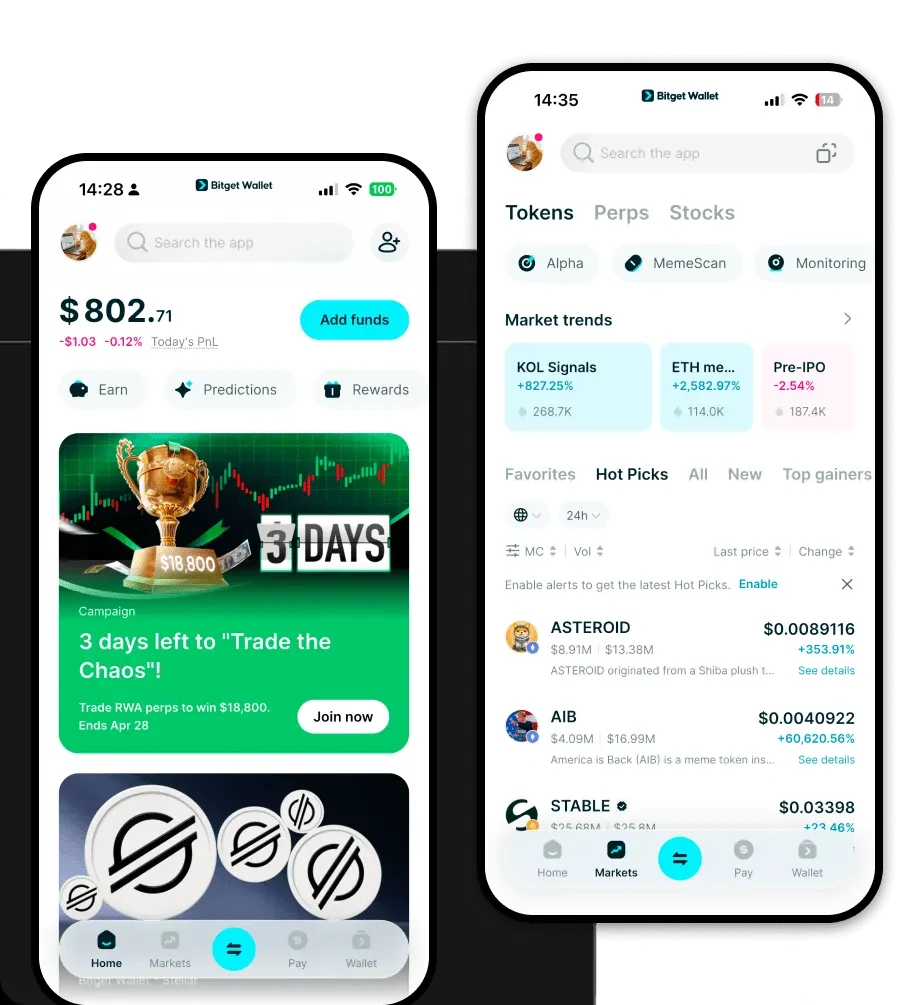
Getting started with the right infrastructure is crucial for any Web3 user. To begin managing your tokens, you should download Bitget Wallet. This application provides a comprehensive gateway to the crypto world, ensuring you maintain full control over your private keys through a self-custody model. Whether you are a mobile user on iOS or Android, or a desktop enthusiast who prefers a browser extension, Bitget Wallet offers a unified experience across all platforms. With its robust multi-chain support, you can manage your g-assist tokens alongside thousands of other assets without needing to switch between different applications.
Why Choose Bitget g-assist Wallet?
Choosing the right tool for an EVM-based token like g-assist is essential for performance and security. Here is why Bitget Wallet stands out for infrastructure tokens:
- Native EVM Compatibility: Bitget Wallet is built to handle the complexities of the Ethereum Virtual Machine, ensuring smooth interaction with smart contracts and decentralized applications.
- Advanced Web3 Integration: The wallet offers deep integration with Web3 protocols, making it easier to engage with the g-assist ecosystem without leaving the interface.
- Uncompromised Security: With a $300 million user protection fund, your assets are shielded against systemic risks, providing peace of mind for long-term storage.
- Seamless Cross-Platform Access: Whether you are on the go with your mobile device or at your desk, your portfolio syncs perfectly, ensuring you never miss a market movement.
- Optimized Gas Fee Management: The wallet provides real-time gas fee estimations for the EVM network, helping you optimize transaction costs efficiently.
How to Create a g-assist Wallet
Creating your wallet is a straightforward process designed for both beginners and advanced users:
- Download and Install: Visit the official website to download Bitget Wallet on your preferred device.
- Create a New Wallet: Open the app and select 'Create a Wallet.' You will need to set a strong password to protect your local access.
- Secure Your Backup: The app will generate a 12-word recovery phrase (seed phrase). Write this down on paper and store it in a secure, offline location. Never share this with anyone.
- Import or Add g-assist: Once your wallet is set up, use the 'Add Token' feature. Since it is an EVM token, you can simply search for 'g-assist' or add it via its contract address.
- Start Transacting: Your wallet address is now active. You can copy your public address to receive g-assist tokens or initiate transfers to other addresses.
What Can You Do With a g-assist Wallet?
Owning g-assist in a non-custodial wallet unlocks the full potential of your digital assets:
- Trading: You can utilize integrated decentralized exchanges (DEXs) to swap g-assist for other tokens directly within the wallet interface.
- Asset Storage: Keep your g-assist tokens safe in a self-custody environment where you maintain full ownership of your private keys.
- Web3 Application Interaction: Connect your wallet to various decentralized platforms to utilize the utility features tied to the g-assist ecosystem.
- Ecosystem Participation: Use your tokens to engage in governance, staking, or other infrastructure-level activities supported by the g-assist protocol.
How g-assist Wallets Are Different from Other Crypto Wallets
Unlike wallets designed for Bitcoin or non-EVM chains, a g-assist wallet is specifically tuned for the account-based model used by EVM blockchains. While Bitcoin wallets rely on the UTXO (Unspent Transaction Output) model, your g-assist wallet tracks balances based on account states, which is necessary for executing complex smart contracts. Furthermore, since g-assist operates on an EVM chain, your wallet must manage 'gas'—the computational fee required to process transactions—unlike some high-throughput chains that use different resource allocation models. This makes Bitget Wallet particularly effective, as it abstracts the complexity of EVM gas management, making transactions faster and more predictable for the average user.
