





What is an eshkol Wallet?
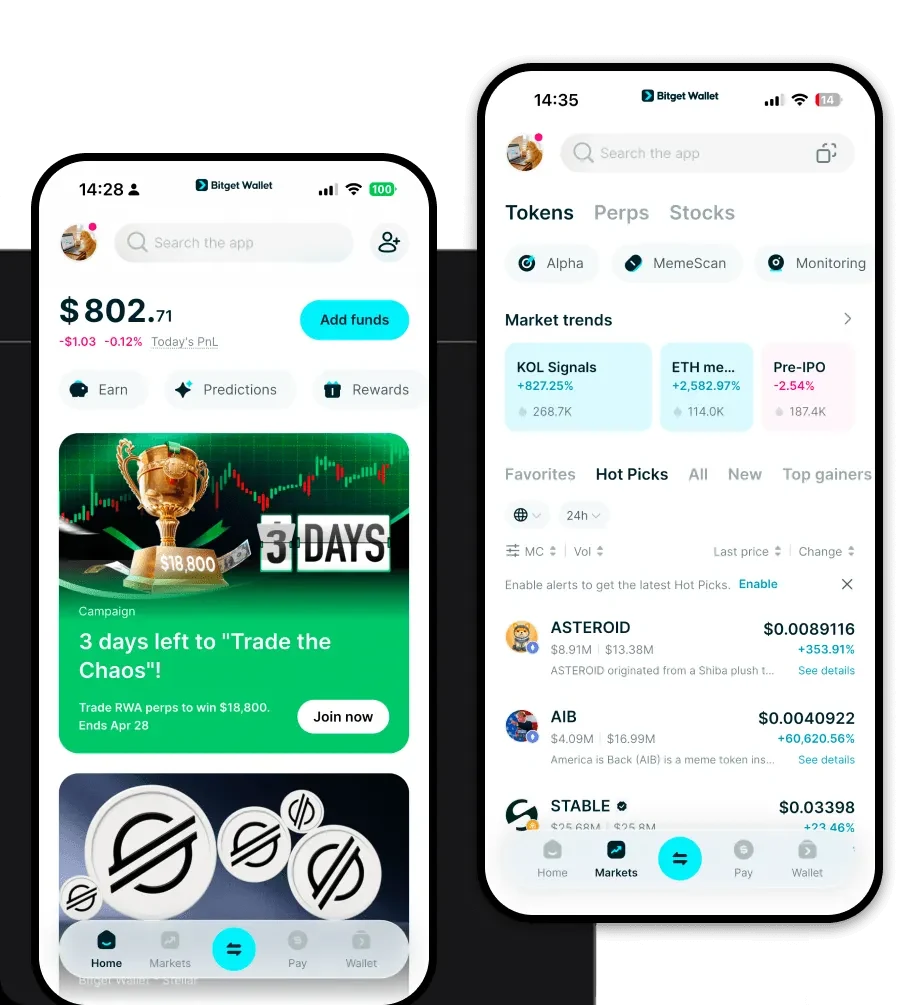
An eshkol wallet is a specialized digital interface designed to interact with the eshkol token, an asset built on the EVM (Ethereum Virtual Machine) blockchain. Because eshkol operates within the EVM ecosystem, it requires a wallet that supports ERC-20 token standards and seamless smart contract interaction. Eshkol is a project supported by the Bitget Wallet ecosystem, allowing users to securely manage their digital assets. With a focus on reliability and security, it enables users to explore the Web3 landscape through the Bitget Wallet platform, which serves over 40 million users. By choosing a compatible wallet, you ensure full ownership of your private keys while maintaining the flexibility to engage with decentralized finance protocols.
Download Bitget eshkol Wallet
To begin your journey with eshkol, you need a robust, non-custodial solution that puts you in complete control. We recommend that you download Bitget Wallet to experience a seamless interface that handles the complexities of EVM chains effortlessly. Bitget Wallet is available as a mobile application for iOS and Android, as well as a powerful browser extension, ensuring you can manage your assets whether you are on the go or at your desk. It supports over 130+ blockchains, providing a unified dashboard for all your crypto needs, including your eshkol holdings, with full private key self-custody.
Why Choose Bitget eshkol Wallet?
- EVM Native Optimization: Since eshkol is an EVM-based token, Bitget Wallet provides native support for smart contract interactions, allowing you to view and trade your tokens without compatibility issues.
- Seamless Decentralized Integration: The wallet features a built-in DApp browser, making it effortless to connect to the decentralized exchanges and community-driven platforms where eshkol thrives.
- Institutional-Grade Security: Benefit from a $300 million user protection fund and advanced security protocols that keep your assets shielded from common Web3 vulnerabilities.
- High Liquidity Access: By aggregating hundreds of DEXs and cross-chain bridges, Bitget Wallet ensures you get the best execution prices when trading high-liquidity assets like eshkol.
- Community-Centric Features: The wallet is designed to support the rapid-paced environment of meme coins, offering real-time market data and social-fi features that keep you updated on community trends.
How to Create an eshkol Wallet
Setting up your wallet is a straightforward process that grants you immediate access to the eshkol ecosystem:
Step 1: Download and install the Bitget Wallet app from the official website or your device's app store.
Step 2: Launch the app and select 'Create a New Wallet' to generate a fresh seed phrase.
Step 3: Carefully back up your recovery phrase in a secure, offline location; never share this with anyone.
Step 4: Once your wallet is initialized, navigate to the 'Add Token' section and search for 'eshkol' to import the contract address, ensuring it appears in your main dashboard.
Step 5: Your wallet is now ready. You can receive your eshkol tokens by copying your public address from the main screen.
What Can You Do With an eshkol Wallet?
Owning an eshkol wallet opens up a variety of specific Web3 use cases tailored for meme token enthusiasts:
- Trading: Use the built-in DEX aggregator to swap ETH or other stablecoins for eshkol instantly at optimal market rates.
- Holding: Securely store your eshkol tokens in a non-custodial environment, ensuring you remain the sole owner of your assets long-term.
- Speculative Investment: Monitor your portfolio's performance in real-time, allowing you to react quickly to market volatility and community-driven price movements.
- Portfolio Management: Manage your entire crypto footprint from a single interface, tracking your eshkol balance alongside other EVM assets and NFTs.
How eshkol Wallets Are Different from Other Crypto Wallets
Not all wallets are created equal, especially when dealing with meme tokens on the EVM chain. Unlike older generation wallets or Bitcoin-based wallets that rely on UTXO models, an eshkol wallet on the EVM must support the account-based model, where balances are stored as states rather than transaction outputs. Furthermore, while Bitcoin wallets focus on transaction immutability, an eshkol wallet is optimized for gas management, allowing you to adjust fee settings to ensure your transactions are prioritized during periods of high network congestion. This difference is critical for meme token traders who need to execute fast swaps to capture liquidity shifts.
