





What is a Checkpoint Wallet?
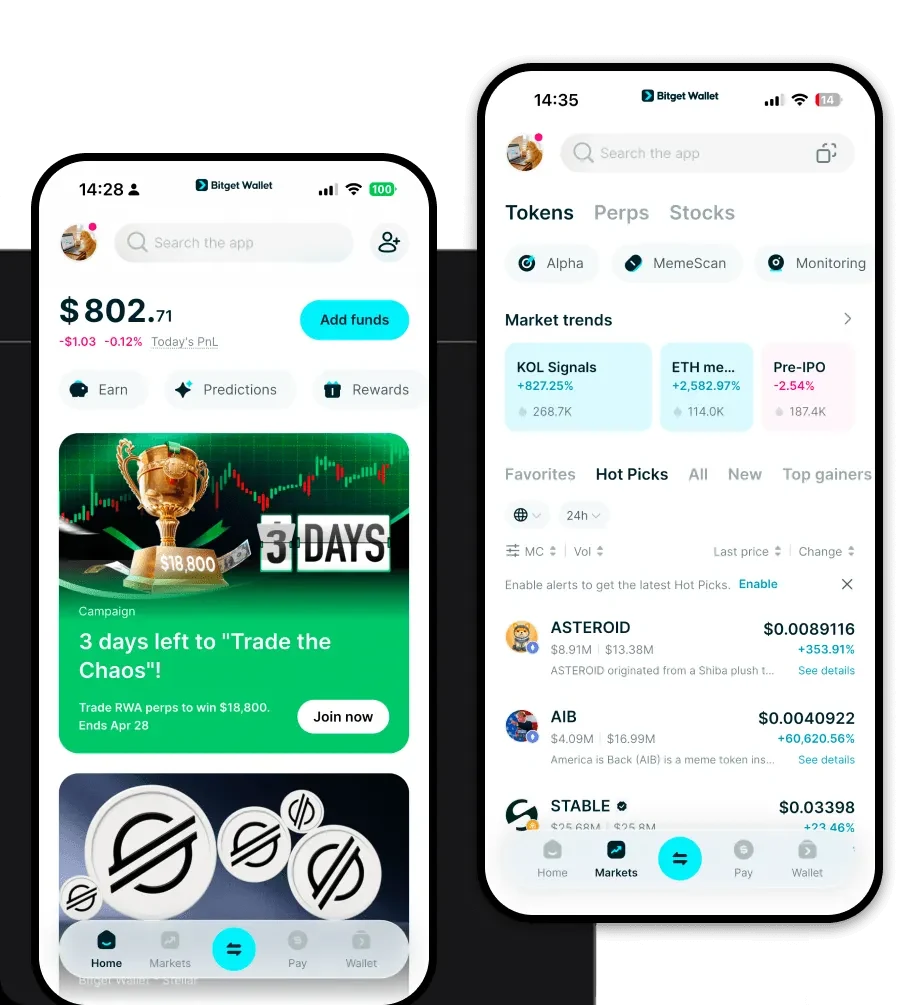
A Checkpoint wallet is a secure digital interface designed to interact with the Checkpoint cryptocurrency project on the EVM blockchain. As an infrastructure-focused asset, Checkpoint requires a wallet that can handle complex smart contract interactions while maintaining top-tier security standards. According to the project specifications, Checkpoint is a cryptocurrency project that can be securely stored and managed using Bitget Wallet. Trusted by 40 million users, Bitget Wallet provides a reliable gateway to explore Web3 and manage Checkpoint assets.
Download Bitget Checkpoint Wallet
Getting started with your Checkpoint journey requires a reliable, non-custodial application. The Bitget Wallet app is designed for users who prioritize sovereignty over their private keys while demanding a seamless user experience. Whether you are using an iOS device, an Android smartphone, or prefer the desktop browser extension for deeper Web3 interaction, the setup process is unified and intuitive.
You can download Bitget Wallet to gain immediate access to a multi-chain ecosystem. Unlike centralized exchanges, Bitget Wallet allows you to maintain full control over your private keys and seed phrases, ensuring that your Checkpoint holdings remain in your possession. With support for over 130 blockchains, it serves as an all-in-one hub for your digital assets.
Why Choose Bitget Checkpoint Wallet?
Choosing the right wallet for an EVM-based infrastructure project is critical. Bitget Wallet stands out by providing specialized features tailored for the EVM environment:
- Native EVM Compatibility: Seamlessly interact with Checkpoint and other EVM-compatible tokens without configuration headaches, mirroring the reliability of standard Ethereum-based tools.
- Scalability Optimization: The wallet interface is built to handle high-frequency transactions and complex smart contract interactions, ensuring your Checkpoint transactions remain fluid even during network congestion.
- Decentralized Interoperability: Easily bridge and swap assets across various chains, allowing you to move Checkpoint liquidity where it is needed most without relying on centralized intermediaries.
- Enterprise-Grade Asset Management: Benefit from the integrated 300 million USD user protection fund, which adds an extra layer of security on top of standard non-custodial practices.
How to Create a Checkpoint Wallet
Setting up your Checkpoint wallet on Bitget is a straightforward process designed to get you into the Web3 ecosystem in minutes:
- Download and Install: Visit the official website to download Bitget Wallet for your preferred platform (iOS, Android, or Browser Extension).
- Create a New Wallet: Open the app and select 'Create Wallet'. You will be prompted to back up your mnemonic phrase; store this offline and securely.
- Verify Mnemonic Phrase: Follow the on-screen instructions to verify your phrase, which confirms you have successfully saved your recovery key.
- Set Security Password: Establish a strong payment password to authorize every transaction or interaction with your Checkpoint assets.
- Add Checkpoint Token: Use the search bar in the asset management tab to add 'Checkpoint' to your home screen using its contract address, making it visible and ready for use.
What Can You Do With a Checkpoint Wallet?
Managing Checkpoint goes beyond simple holding; it involves active participation in the ecosystem. Here is how you can utilize your wallet:
- Secure Asset Storage: Leverage the wallet's non-custodial architecture to keep your Checkpoint tokens safe from exchange-related risks, ensuring you remain the sole owner of your private keys.
- Cross-Chain Transfers: Use the built-in bridge features to move Checkpoint assets between different EVM chains, allowing you to optimize your holdings based on network performance or specific DApp requirements.
- Governance Participation: Connect your wallet directly to Checkpoint’s decentralized governance portals to vote on proposals and influence the future direction of the project.
- Liquidity Provision: Utilize the wallet’s DApp browser to connect to decentralized exchanges and provide Checkpoint liquidity to pools, helping to deepen market depth and earn potential yield.
How Checkpoint Wallets Are Different from Other Crypto Wallets
When dealing with an EVM-based project, the wallet you choose fundamentally changes your experience. Unlike legacy wallets that might struggle with the complexities of modern smart contracts, a Bitget Checkpoint wallet is optimized for the account-based model of the EVM. While Bitcoin-style UTXO wallets focus on transaction output management, Bitget Wallet focuses on state-based interaction, which is essential for DeFi and infrastructure protocols. You will notice significantly faster transaction processing and more intuitive gas fee management compared to basic wallets, ensuring that your interactions with Checkpoint are not only secure but also highly efficient.
