





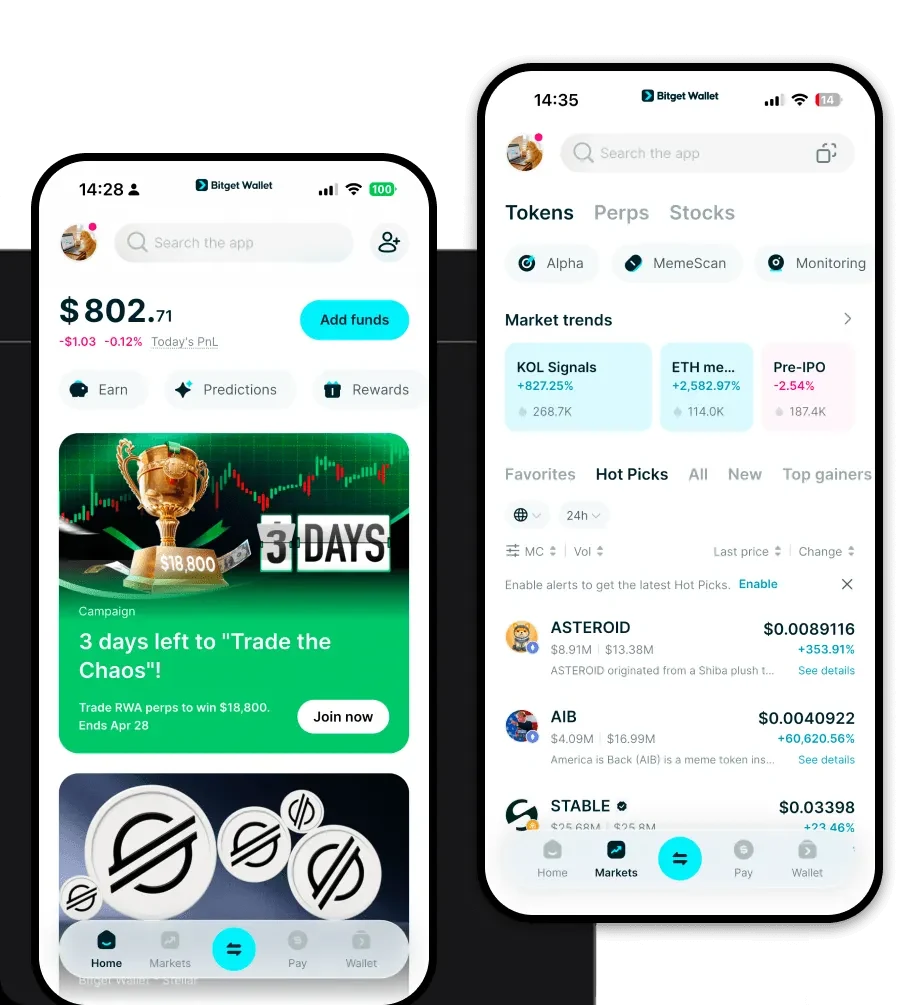
What is an IFR Wallet?
An IFR wallet is a digital interface that allows you to interact with the IFR token on the blockchain. Specifically, IFR (Ifr) is a cryptocurrency asset supported by the Bitget Wallet ecosystem, designed for secure storage and Web3 exploration. Users can manage, trade, and interact with IFR tokens within the Bitget Wallet platform, which provides access to various decentralized applications and services. Because IFR operates on the EVM (Ethereum Virtual Machine) chain, your wallet acts as a bridge to a vast ecosystem of decentralized finance, smart contracts, and tokenized assets, ensuring you have full control over your digital identity and holdings.
Download Bitget IFR Wallet
To get started with your IFR journey, you need a reliable gateway. The Bitget Wallet app provides a seamless experience for both beginners and advanced users. Whether you are using an iOS device, an Android smartphone, or a desktop browser extension, Bitget Wallet ensures you have consistent access to your assets across all platforms. It features true non-custodial architecture, meaning you retain complete ownership of your private keys at all times. To begin, you can download Bitget Wallet and follow the simple setup process to import or create a new address for your IFR tokens.
Why Choose Bitget IFR Wallet?
Selecting the right wallet is crucial for navigating the EVM ecosystem effectively. Bitget Wallet stands out for several key reasons:
- Native EVM Compatibility: Designed specifically for EVM chains, it offers smooth interaction with smart contracts, allowing you to participate in complex DeFi protocols without compatibility issues.
- Advanced Asset Management: The interface provides a clear, real-time view of your portfolio, making it easy to track the performance of your IFR holdings alongside other assets.
- Robust Security Architecture: With a $300 million protection fund and audited code, Bitget Wallet provides enterprise-grade security, protecting your assets from common vulnerabilities.
- Seamless DApp Integration: Connect directly to decentralized exchanges, yield farms, and NFT marketplaces without leaving the app, thanks to the integrated DApp browser.
- Optimized Gas Fee Management: The wallet suggests competitive gas prices, ensuring your transactions are processed efficiently even during periods of network congestion.
How to Create an IFR Wallet
Setting up your wallet is a straightforward process designed to prioritize your security:
- Download and Install: Visit the official website to download Bitget Wallet on your preferred device.
- Create a New Wallet: Open the app, select 'Create Wallet,' and ensure you back up your 12-word mnemonic phrase in a secure, offline location.
- Verify Recovery Phrase: Follow the on-screen prompts to confirm your recovery phrase, which is essential for account recovery.
- Set a Security Password: Establish a strong, unique password to protect your local wallet access.
- Access Your Address: Once initialized, your EVM-compatible address is ready. You can now receive IFR tokens by tapping 'Receive' and selecting the relevant network.
What Can You Do With an IFR Wallet?
Your IFR wallet is more than just a storage solution; it is a gateway to the DeFi world. Here is how you can maximize your utility:
- Trading: You can execute swaps between IFR and other tokens directly through the built-in aggregator, which searches across hundreds of DEXs to find you the best liquidity.
- Holding: Securely store your IFR tokens in a non-custodial environment where you are the sole controller of your private keys and assets.
- Portfolio Management: Utilize the wallet's dashboard to monitor your IFR balance, track historical transaction data, and analyze your overall DeFi asset distribution in real-time.
- DApp Interaction: Engage with various DeFi protocols by connecting your wallet to lending platforms, yield farms, or liquidity pools, allowing you to put your IFR to work within the ecosystem.
How IFR Wallets Are Different from Other Crypto Wallets
Not all wallets are built the same, especially when dealing with the EVM ecosystem. Unlike Bitcoin-based wallets that rely on the UTXO (Unspent Transaction Output) model, an IFR wallet on the EVM utilizes an 'Account-based' model. This means your wallet tracks a balance rather than individual unspent outputs, which makes complex smart contract interactions significantly more intuitive. Furthermore, while some wallets struggle with managing network congestion, Bitget Wallet optimizes for the EVM's gas fee structure, providing you with better control over transaction speeds and costs. This differentiation ensures that your experience with IFR is not just about storage, but about active, efficient participation in the broader decentralized economy.
