





1. What is an Acala Wallet?
An Acala wallet is a specialized digital interface designed to help you interact with the Acala network, a decentralized finance (DeFi) hub built as a parachain on Polkadot. Because Acala operates as a specialized layer for financial applications, your wallet needs to do more than just store tokens; it must allow you to interface with complex DeFi protocols and cross-chain assets efficiently. Are you looking for a reliable and secure crypto wallet for your Acala? Bitget Wallet will be your best choice. Trusted by 40 million users, you can freely explore Web3 on Bitget Wallet. Start your journey now!
2. Download Bitget Acala Wallet
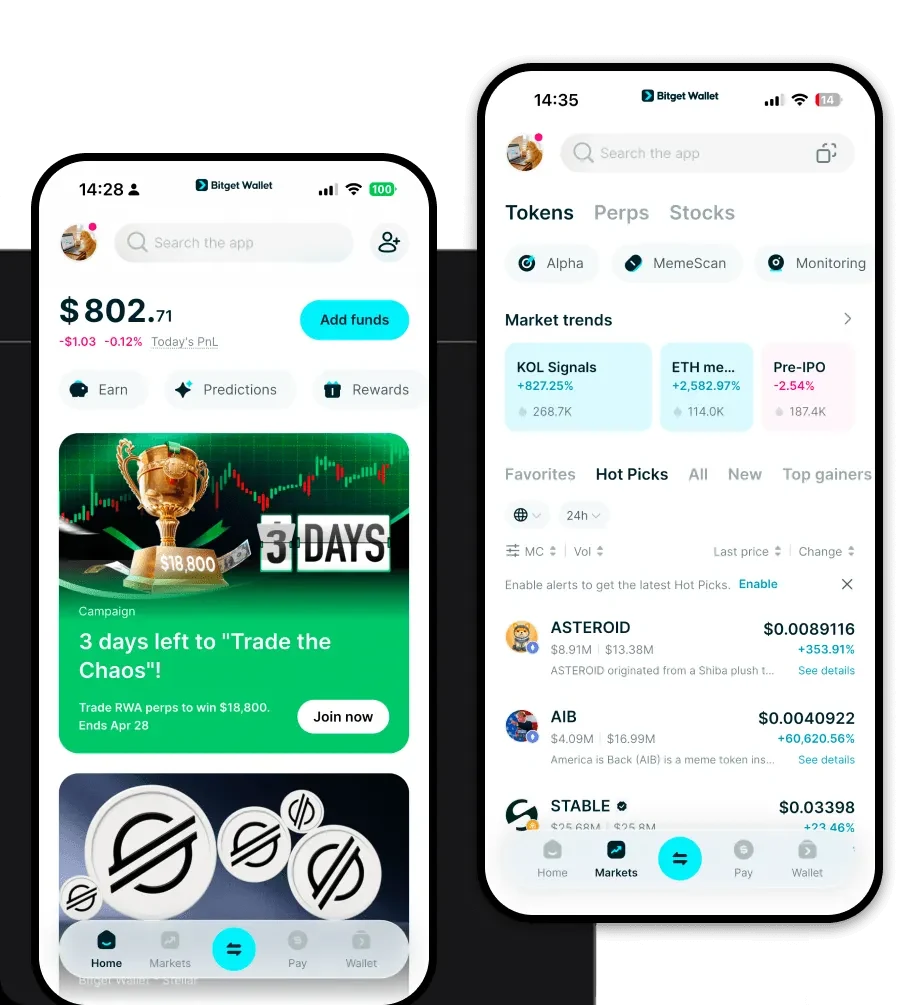
Getting started with your Acala journey requires a robust tool that puts control back in your hands. Bitget Wallet offers a non-custodial solution, meaning you remain the sole owner of your private keys and seed phrases at all times. Whether you are managing your portfolio on the go or deep-diving into DeFi from your desktop, Bitget Wallet has you covered with a seamless experience across iOS, Android, and browser extensions. By choosing to download Bitget Wallet, you gain access to a platform that supports over 130+ blockchains, ensuring that your Acala tokens are never isolated and can easily interact with other assets in your diverse portfolio.
3. Why Choose Bitget Acala Wallet?
- Polkadot Parachain Integration: Experience native support for Acala's unique position within the Polkadot ecosystem, ensuring smooth asset management and interaction with parachain-specific features.
- EVM Compatibility: Leverage Acala's EVM+ capabilities directly through your wallet, allowing you to bridge seamlessly between traditional DeFi environments and the Polkadot ecosystem without friction.
- Enhanced DeFi Security: Benefit from a platform backed by a $300 million user protection fund, providing an extra layer of security as you engage in complex DeFi activities.
- Cross-Chain Interoperability: Utilize advanced bridging features to move your assets across different chains, ensuring you are never locked into a single ecosystem.
- Decentralized Governance Access: Participate directly in network decisions through an intuitive interface designed for active community members.
4. How to Create an Acala Wallet
Creating your wallet is a straightforward process designed to prioritize your security:
- Visit the official Bitget Wallet website or your mobile app store to download Bitget Wallet.
- Open the application and select 'Create a New Wallet' to generate a unique set of recovery phrases.
- Carefully back up your 12-word seed phrase offline; never share this with anyone, as it is the master key to your funds.
- Set a strong, unique password to protect your app access and enable biometric authentication for added convenience.
- Once the wallet is initialized, you can add Acala (ACA) to your asset list by searching for the token and enabling it, which will then generate your unique wallet address.
5. What Can You Do With an Acala Wallet?
Your Acala wallet serves as your gateway to the decentralized economy. Here is how you can maximize its utility:
- Staking ACA: You can lock your tokens directly through the wallet interface to earn staking rewards, contributing to the network's security while growing your holdings.
- Providing Liquidity: By participating in Acala’s liquidity pools, you can earn yield on your assets, which is a fundamental aspect of the platform's DeFi architecture.
- Participating in Governance Voting: Use your wallet to cast votes on crucial network proposals, ensuring your voice is heard in the decentralized decision-making process.
- Paying Network Transaction Fees: Your wallet allows you to manage and pay for gas fees seamlessly, ensuring your transactions are processed without delay.
- Minting Liquid Staking Derivatives: Utilize your assets to mint derivatives, allowing you to remain liquid while simultaneously earning rewards from your staked tokens.
6. How Acala Wallets Are Different from Other Crypto Wallets
Acala wallets are distinct because they are designed to handle the specific architecture of a Polkadot parachain, which differs significantly from standard Ethereum or Bitcoin wallets. While a standard Bitcoin wallet focuses on the UTXO model for simple peer-to-peer transfers, an Acala-compatible wallet like Bitget must handle the more complex account-based model required for smart contract interaction. Furthermore, unlike traditional wallets that might struggle with cross-chain compatibility, a high-quality Acala wallet is built to manage the nuances of EVM compatibility within the Substrate framework. This means your wallet doesn't just store tokens; it acts as a bridge, managing the high-speed, low-cost environment of the Acala network while maintaining the high security standards expected in the DeFi space.
