Zama Listing Launch Date: What Investors Should Know Before TGE
Zama listing is fast approaching! Did you know that over 60% of newly listed tokens experience significant price swings within the first 24 hours? With $ZAMA gearing up for its launch across major exchanges including Binance, Coinbase, OKX, Bybit, Kraken, KuCoin, and Bitget, traders are watching closely for potential market movements.
Backed by a strong public auction, a rapidly expanding developer and creator community, and deep technical foundations in Fully Homomorphic Encryption (FHE), Zama has already attracted significant market attention. This article breaks down the key listing details, explains how to trade $ZAMA, and explores why this launch could represent a notable opportunity for investors tracking onchain privacy infrastructure.
Download Bitget Wallet for faster cross-chain trending trades, perfect for beginners.
Zama Listing: Key Details and Trading Schedule
Key Listing Information
Here are the important details about the ZAMA (ZAMA) listing:
- Exchange: Bitget
- Trading Pair: ZAMA/USDT
- Deposit Available: Open
- Trading Start: February 2, 2026, 13:00 (UTC)
- Withdrawal Available: February 3, 2026, 14:00 (UTC)
Don’t miss your chance to start trading ZAMA (ZAMA) on Bitget and be part of this groundbreaking journey.
- Please refer to the official announcement for the most accurate schedule.
ZAMA (ZAMA) Price Prediction 2026: How It Compares to Similar Projects
Comparing ZAMA (ZAMA) to Similar Tokens: Post-Listing Performance Projections
Historical trends offer valuable insights into how ZAMA may perform after its Bitget listing and broader 2026 market exposure. By analyzing comparable tokens from the privacy and infrastructure segment, we can estimate potential post-listing moves and retracement risk — noting that past performance does not guarantee future results.
In this comparison, ZAMA’s reference price is $0.028–$0.036 shortly after listing, reflecting real early trading data.
Comparative Token Performance (First 30 Days Post-Listing)
| Token | Initial Price | Peak Price (T+30 Days) | % Increase | Retracement (%) |
| Secret Network (SCRT) | ~$0.48 | ~$0.92 | ~+92% | ~-38%¹ |
| Aleph Zero (AZERO) | ~$0.59 | ~$1.12 | ~+89% | ~-42%¹ |
| Oasis Network (ROSE) | ~$0.06 | ~$0.11 | ~+83% | ~-45%¹ |
| ZAMA (Projected) | $0.028 – $0.036 | $0.048 – $0.060 (Est.) | ~+35% – +70% | ~-30% – -45% |
- ZAMA’s base range reflects early secondary market prices after launch.
- Projected peak and retracement are illustrative scenarios, not guaranteed forecasts.
Key Insights from Historical Analysis
-
Average Listing Premium:
Tokens in similar segments have historically shown meaningful short-term gains within roughly 30 days post-listing, often driven by speculative interest and exchange visibility.
-
Retracement Risk:
Substantial pullbacks (-30% to -45%) are common after early rallies as short-term traders realize profits.
-
Market Sentiment Factor:
For Zama, 2026 performance will depend on deeper ecosystem adoption, usage of confidential infrastructure, and broader market conditions — not just listing attention.
Price Projection Based on Market History
| Time Frame | Predicted Price Range (2026) | Historical Benchmark |
| Short-term (1–3 months) | $0.040 – $0.060 | Modest listing premium scenario |
| Medium-term (3–6 months) | $0.045 – $0.080 | Infrastructure adoption signal |
| Long-term (1 year+) | $0.080 – $0.15 | Usage and ecosystem growth |
Source CoinGecko, Binance, Secret Network, Oasis Network, Aleph Zero
Note: The above numerical projections are based on historical post-listing behavior of comparable tokens and current mid-Feb 2026 ZAMA market data. They are intended as reference projections, not financial advice. Always conduct your own research with live market feeds before making investment decisions.
What Is Zama (ZAMA): Everything You Need to Know
What is Zama (ZAMA)?
ZAMA (ZAMA) is a privacy-focused blockchain infrastructure token that powers the Zama Protocol, a system built to enable confidential smart contracts using Fully Homomorphic Encryption (FHE). Unlike traditional blockchains where all data is publicly visible, Zama allows applications to compute directly on encrypted data, preserving privacy without sacrificing composability or correctness.
The project’s mission is to make onchain privacy usable at scale, positioning Zama as the foundational confidentiality layer for public blockchains—often described by the team as becoming the “HTTPS layer for blockchain” (HTTPZ). By doing so, Zama aims to unlock new categories of applications such as confidential payments, private token issuance, and privacy-preserving DeFi.
Key features
-
Fully Homomorphic Encryption (FHE) Infrastructure:
Zama enables smart contracts to perform computations on encrypted data, ensuring sensitive information remains private throughout execution.
-
FHEVM (Fully Homomorphic Encryption Virtual Machine):
A full-stack framework that allows developers to build confidential smart contracts using familiar blockchain development workflows.
-
Production-Ready Privacy Protocol:
Backed by years of cryptographic research (TFHE-rs) and a live mainnet, Zama focuses on real-world adoption rather than experimental privacy concepts.

Source: X
Zama has entered its go-to-market phase in 2026 following its mainnet launch and multi-exchange listing, drawing attention as one of the few privacy infrastructure projects with a working product and active developer ecosystem. With a clear focus on Total Value Shielded (TVS) as its adoption metric, Zama is positioning itself as a long-term privacy layer for public blockchains rather than a short-term speculative token.
How Does Zama (ZAMA) Work?
The operation of Zama (ZAMA) is based on its Fully Homomorphic Encryption (FHE)–powered protocol stack, which enables confidential computation directly on public blockchains through the Zama Protocol and FHEVM.
-
Confidential Smart Contract Execution (FHEVM)
Zama introduces FHEVM, a virtual machine that allows smart contracts to process encrypted inputs and encrypted state. Data remains encrypted not only in storage, but also during computation, meaning validators and observers never see the underlying values. The contract logic executes normally, but privacy is preserved end-to-end.
-
Encrypted Assets and Transactions (Confidential Tokens)
Assets such as cUSDT, cUSDC, or cETH are represented as confidential tokens on the Zama Protocol. Transfers, balances, and contract interactions involving these assets are shielded, preventing transaction amounts and user balances from being publicly exposed while still settling on-chain.
-
Protocol-Level Privacy Integration Across Chains
Zama is designed as a modular privacy layer rather than a standalone blockchain. By integrating with existing ecosystems (Ethereum first, with expansion planned to other major chains), Zama allows developers to add confidentiality to existing applications without redesigning their entire stack.
By integrating advanced cryptography, developer-friendly tooling, and a growing ecosystem of builders and partners, Zama (ZAMA) aims to establish itself as a sustainable and influential privacy infrastructure layer within the broader crypto ecosystem.
Zama’s Team, Vision, and Partnerships
The Team
- Led by: Zama, a cryptography-first company with deep expertise in Fully Homomorphic Encryption (FHE), led by Rand Hindi.
- Mission: More than launching a token, the team positions ZAMA (ZAMA) as the utility layer behind a new privacy standard for blockchains—turning confidentiality into a default infrastructure capability, not a niche feature.
The Vision
- Core Focus: Making confidential computation usable at scale on public blockchains through FHE, while maintaining composability, correctness, and developer accessibility.
- Long-Term Goal: Becoming the “HTTPS layer for blockchain” (HTTPZ)—a foundational privacy protocol that supports real economic activity such as payments, capital formation, and asset management across major ecosystems.
Partnerships
- Strategic Collaborations: Active ecosystem building with projects developing on the Zama Protocol (e.g., confidential payments and capital-formation use cases), alongside integrations and listings across leading exchanges and wallets to ensure liquidity and accessibility.
- Expansion Plans: Extending confidentiality to additional chains and ecosystems (beyond initial Ethereum deployments), with a focus on confidential DeFi, tokenization, and institutional-friendly asset management to drive adoption and Total Value Shielded (TVS) growth.
Use Cases of Zama (ZAMA)
Zama (ZAMA) serves a variety of purposes, including:
-
Confidential Payments
Enables private transfers of assets such as cUSDT and cUSDC, where balances and transaction amounts remain encrypted while settling on public blockchains.
-
Confidential Capital Formation
Supports privacy-preserving token launches, vesting schedules, distributions, and fundraising mechanisms, allowing sensitive financial data to remain shielded on-chain.
-
Confidential Tokenization and Asset Management
Powers the issuance and management of tokenized assets with encrypted ownership and activity data, making onchain finance more compatible with institutional and enterprise requirements.
These applications highlight the practical value of $ZAMA in blockchain privacy infrastructure and confidential onchain finance.
Roadmap of Zama (ZAMA)
The roadmap for Zama (ZAMA) outlines a clear path for growth and innovation, aligned with its 2026 goal of becoming the default privacy layer for public blockchains.
| Quarter | Roadmap |
| Q1 2026 | Expansion of mainnet operations, broader exchange and wallet support, initial ecosystem onboarding, and focus on production-grade security, audits, and monitoring. |
| Q2 2026 | Enable yield and DeFi interoperability for confidential tokens (e.g., using cUSDT, cUSDC, cETH with non-confidential DeFi protocols), with protocol revenue flowing to $ZAMA via burn mechanisms. |
| Q3 2026 | Performance and infrastructure upgrades, including GPU acceleration, gateway improvements, and key management services (KMS) to support higher throughput and lower latency at scale. |
| Q4 2026 | Ecosystem and chain expansion, prioritizing deployment across additional high-impact blockchains, improved developer SDKs/APIs, and making confidential tokens a first-class primitive across wallets, explorers, custody, and on/off-ramps. |
These developments highlight the practical value of $ZAMA in blockchain privacy infrastructure and confidential onchain finance, with a focus on real adoption measured by Total Value Shielded (TVS).
How to Buy Zama (ZAMA) on Bitget Wallet?
Trading Zama (ZAMA) is easy on Bitget Wallet. Follow these simple steps to get started:
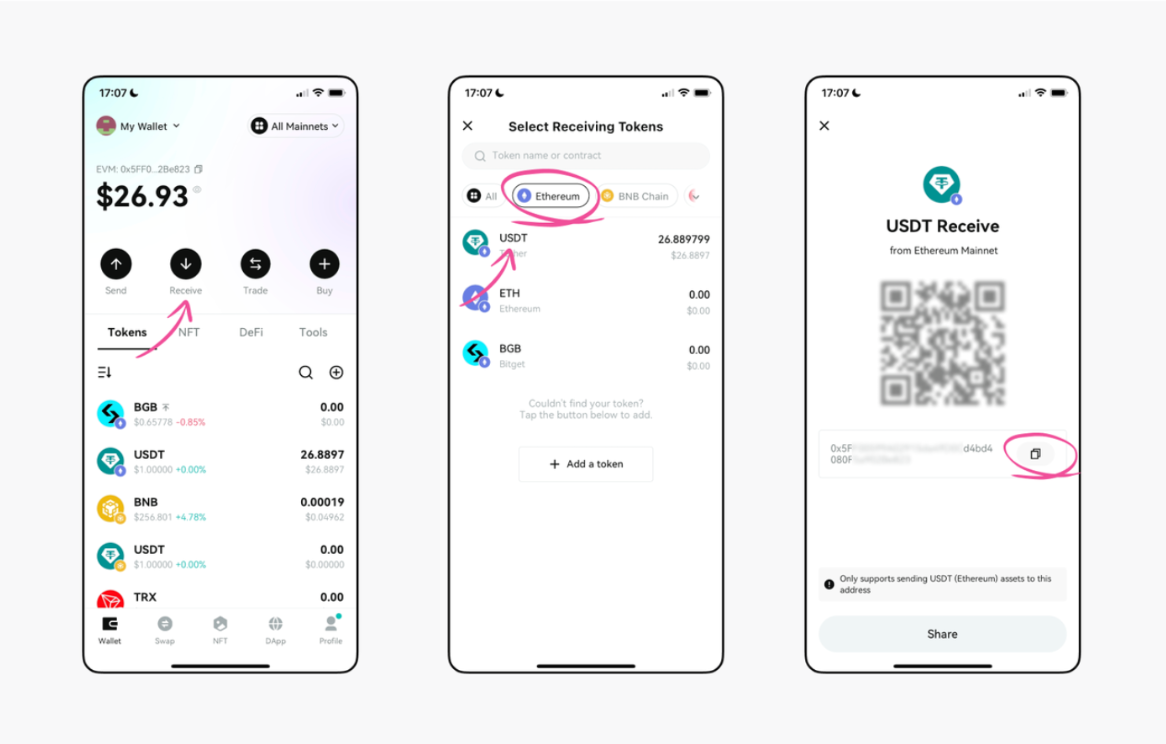
Step 1: Create an Account
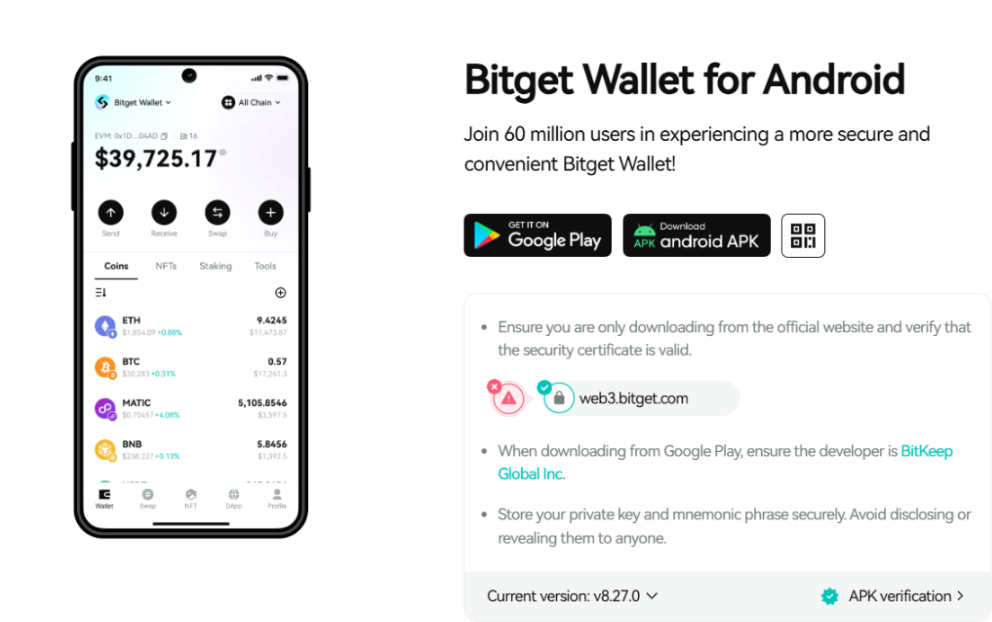
If you don't have an account, download the Bitget Wallet app. Sign up by providing the necessary information and verifying your identity.
Step 2: Deposit Funds
Once your account is set up, you need to deposit funds. You can do this by:
- Transferring Cryptocurrency: Send crypto from another wallet.
- Buying Crypto: Use a credit or debit card to purchase crypto directly on Bitget Wallet, ensuring you have enough funds for trading Zama (ZAMA).
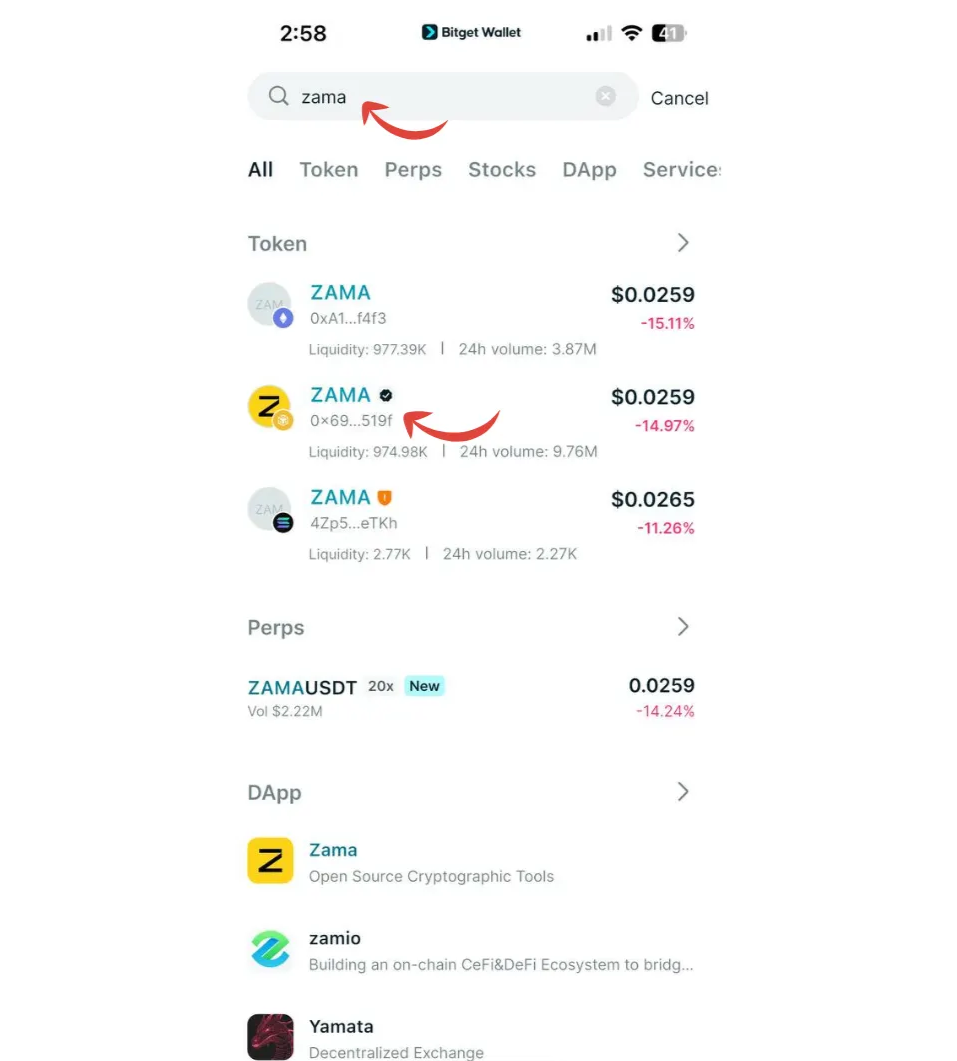
Step 3: Find Zama (ZAMA)
In the Bitget Wallet interface, navigate to the market section. Use the search bar to find Zama (ZAMA). Click on the token to view its trading page.
Since this token has not been listed yet, please refer to the final contract address provided by the project team after the token is officially listed.
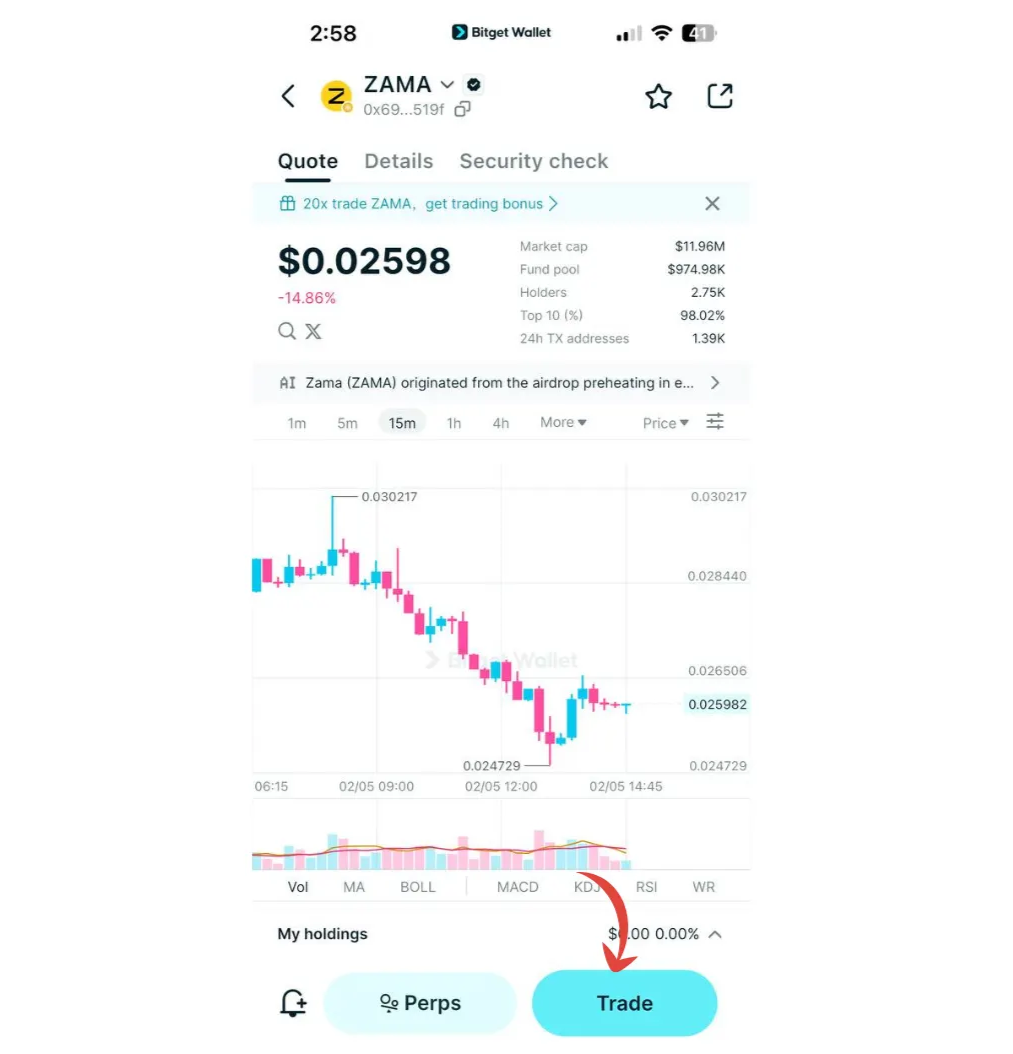
Step 4: Choose Your Trading Pair
Select the trading pair you wish to use, such as ZAMA/USDT. This will allow you to trade Zama (ZAMA) against USDT or another cryptocurrency.
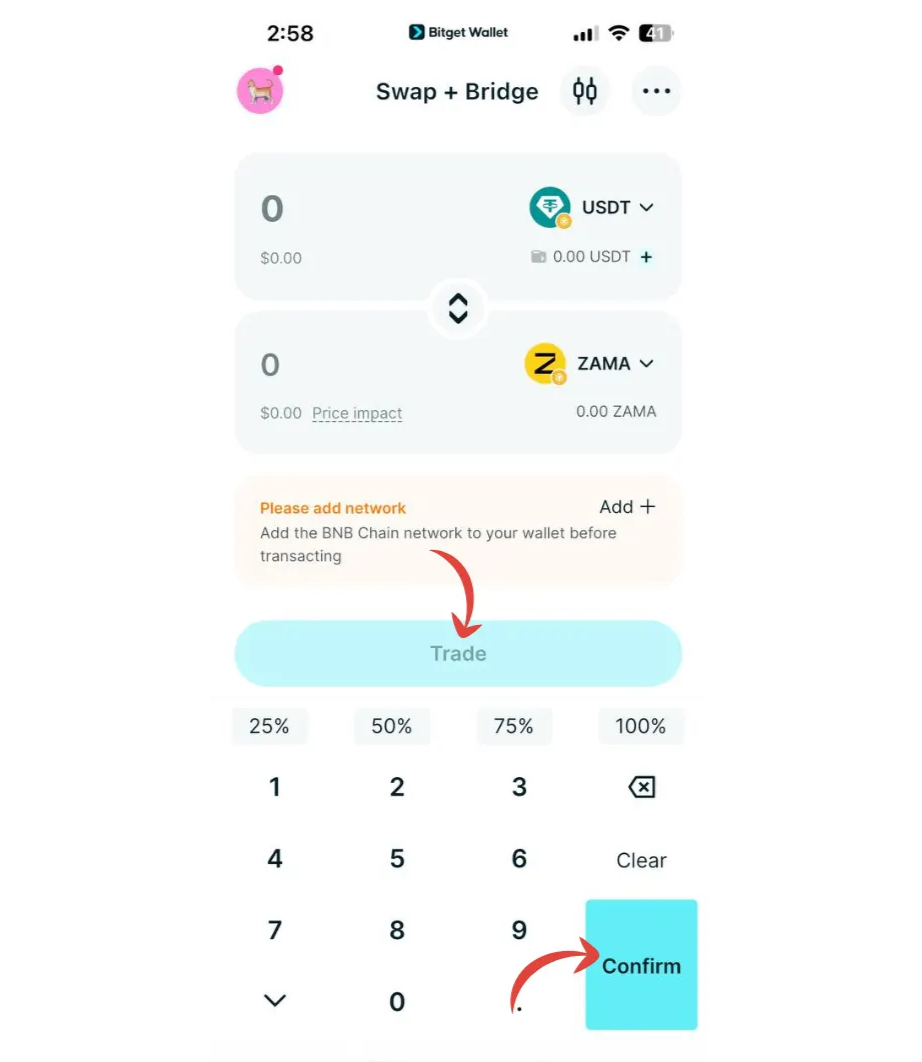
Step 5: Place Your Order
Decide whether you want to place a market order (buy/sell at the current market price) or a limit order (set your own price). Enter the amount of Zama (ZAMA) you wish to buy or sell, then confirm your order.
Step 6: Monitor Your Trade
After placing your order, you can monitor its status in the “Open Orders” section. Once the order is executed, you can check your balance to see your newly acquired Zama (ZAMA).
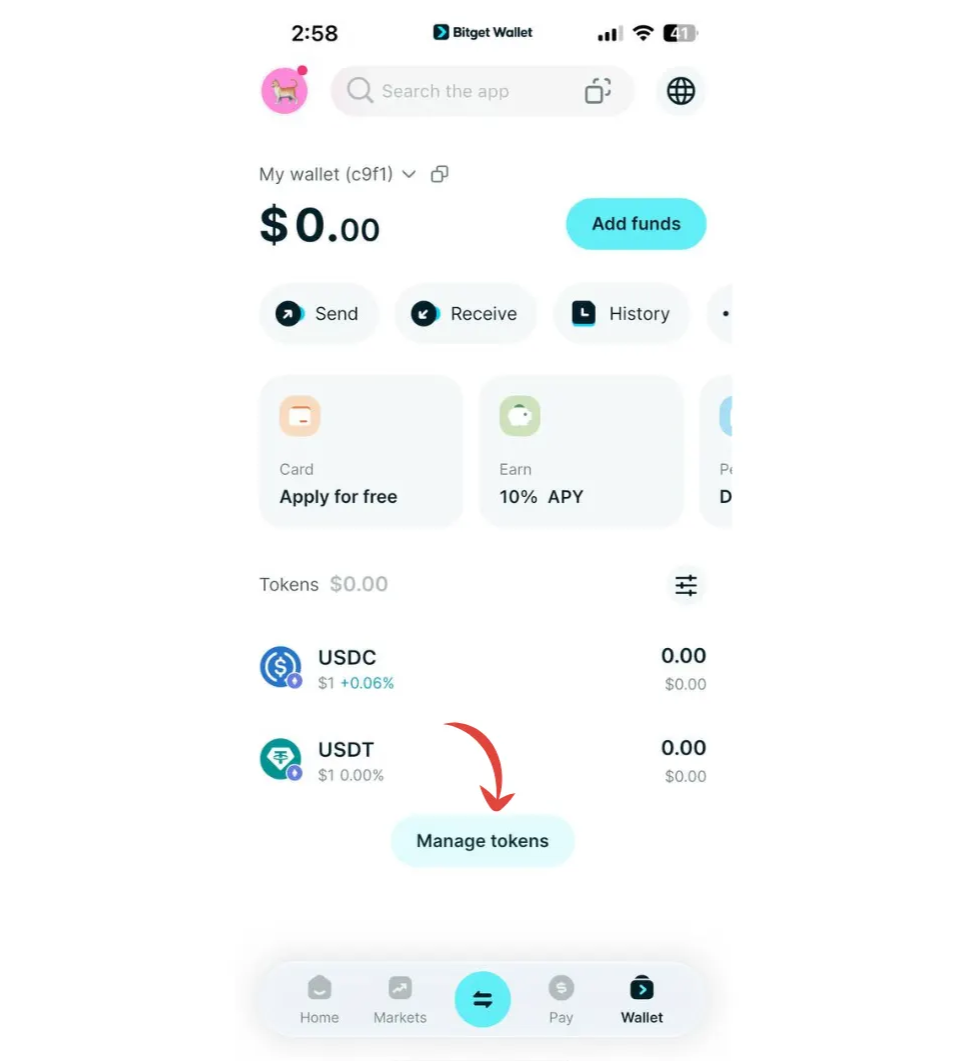
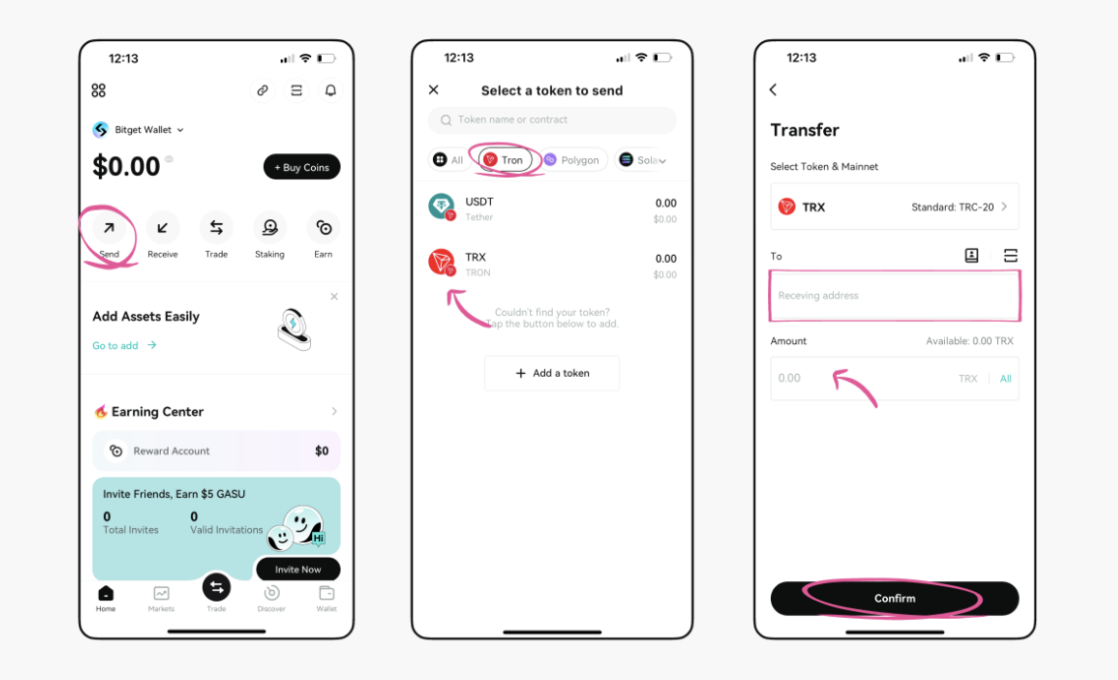
Step 7: Withdraw Your Funds (Optional)
If you wish to transfer your Zama (ZAMA) or any other cryptocurrency to another wallet, navigate to the withdrawal section, enter your wallet address, and confirm the transaction.
▶ Learn more about Zama (ZAMA):
Conclusion
Zama (ZAMA) joining Bitget isn’t just about trading—it’s about advancing a decentralized, privacy-first ecosystem. With a clear focus on confidential computation through Fully Homomorphic Encryption (FHE) and the goal of becoming the “HTTPS layer for blockchain,” Zama is laying the groundwork for long-term innovation and real onchain adoption.
For those looking to get involved, now’s the time. Whether it’s trading $ZAMA, participating in confidential DeFi, or building within the ecosystem, early participants have a chance to shape the future of Zama’s privacy infrastructure.
To manage your assets securely and seamlessly, Bitget Wallet offers a user-friendly solution for storing, trading, and interacting with digital assets. With non-custodial control and smooth cross-chain support, Bitget Wallet makes it easy to navigate the evolving crypto economy.
👉 Download Bitget Wallet today and take control of your digital assets with confidence.
Sign up Bitget Wallet now - grab your $2 bonus!
FAQs
1. What is Zama and how does it differ from other privacy projects?
Zama is a blockchain privacy infrastructure built on Fully Homomorphic Encryption (FHE). Unlike traditional privacy solutions that hide data only at rest or in transit, Zama enables computation directly on encrypted data, allowing confidential smart contracts to run on public blockchains without revealing sensitive information.
2. What is ZAMA used for?
ZAMA is the utility token that powers the Zama Protocol. It is used for protocol fees, ecosystem incentives, and value capture mechanisms tied to confidential computation and Total Value Shielded (TVS) as adoption grows.
3. How is ZAMA different from Zama?
-
Zama refers to the project and protocol providing onchain privacy infrastructure.
-
ZAMA refers to the token used for trading, fees, and participation in the ecosystem.
This distinction is important when evaluating the project’s technology versus its market dynamics.
4. Where can I buy and store ZAMA securely?
ZAMA is available for trading on major centralized exchanges, including Bitget. For self-custody and onchain interaction, users can store and manage ZAMA using Bitget Wallet, which supports secure storage, swaps, and cross-chain transactions.
5. What are the main use cases driving Zama adoption in 2026?
Zama’s growth is driven by real-world use cases such as confidential payments, private token issuance and capital formation, and confidential asset management. These applications aim to make privacy a default feature of public blockchains rather than a niche add-on.
Risk Disclosure
Please be aware that cryptocurrency trading involves high market risk. Bitget Wallet is not responsible for any trading losses incurred. Always perform your own research and trade responsibly.